Australia and Türkiye are facing criticism over their fossil fuel activities as they prepare to share responsibilities for the upcoming COP31 climate conference. The criticism comes from environmental campaigners who argue that both countries should provide clearer plans for moving away from coal, oil and gas while leading international climate negotiations.
Key Overview
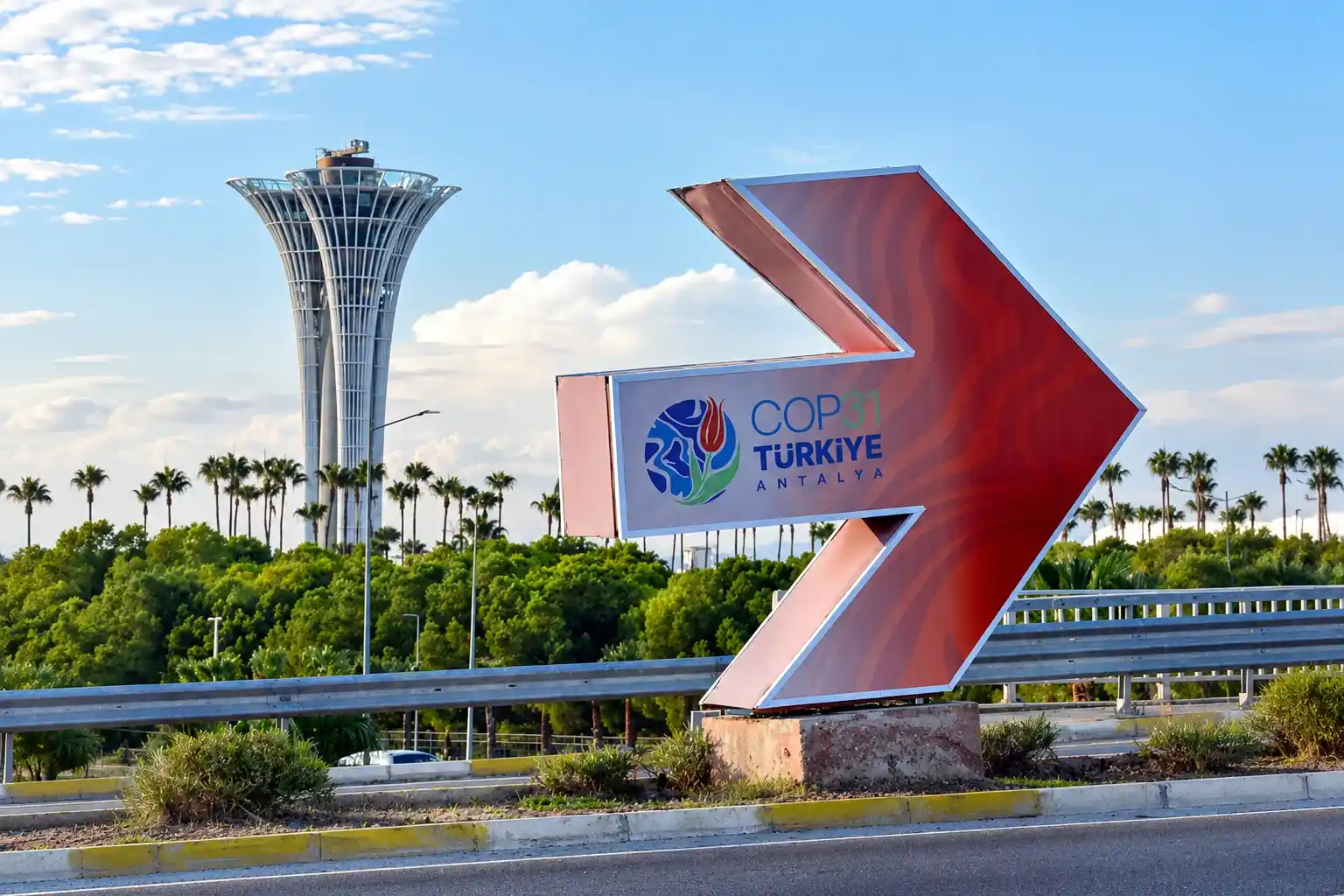
- Türkiye will host COP31 in Antalya, while Australia will serve as president of negotiations.
- The summit is scheduled for November.
- Australia and Türkiye remain involved in coal and LNG trade.
- A New South Wales coal mine expansion could potentially generate 809 million tonnes of CO₂ emissions.
- Coal exports from Australia to Türkiye have been linked to more than 75 million tonnes of CO₂ emissions since the Paris Agreement.
- Campaigners are calling for coal phase-out dates and fossil-fuel transition roadmaps.
Australia and Türkiye Under Scrutiny
Australia and Türkiye are facing renewed scrutiny as they prepare for COP31, the next major United Nations climate conference.
The two countries have agreed to share responsibilities for the summit, with Türkiye hosting the conference in Antalya and Australia taking the role of president of negotiations. The arrangement has placed both governments under greater attention over their domestic energy policies and fossil fuel activities.
Environmental campaigners have criticised what they describe as a gap between the countries’ roles in international climate diplomacy and their continued involvement in fossil fuel production and trade.
Coal Expansion Adds to Australia’s Climate Debate
The criticism has intensified following approval by a New South Wales regulator of an expansion of the Hunter Valley Operations thermal coal mine.
The mine’s owners, Yancoal and Glencore, estimate that its 19-year life extension could result in 809m tonnes of heat-trapping carbon dioxide emissions if federal approval is granted.
The development has become an important point of discussion ahead of the climate negotiations, particularly among Pacific countries that have called for stronger action on fossil fuel expansion.
Australia remains a major exporter of coal and liquefied natural gas, even as it expands renewable energy domestically. The country’s climate minister, Chris Bowen, has argued that Australia can contribute to global emissions reductions by becoming a renewable energy exporter.
Australia-Türkiye Coal Trade Faces Attention
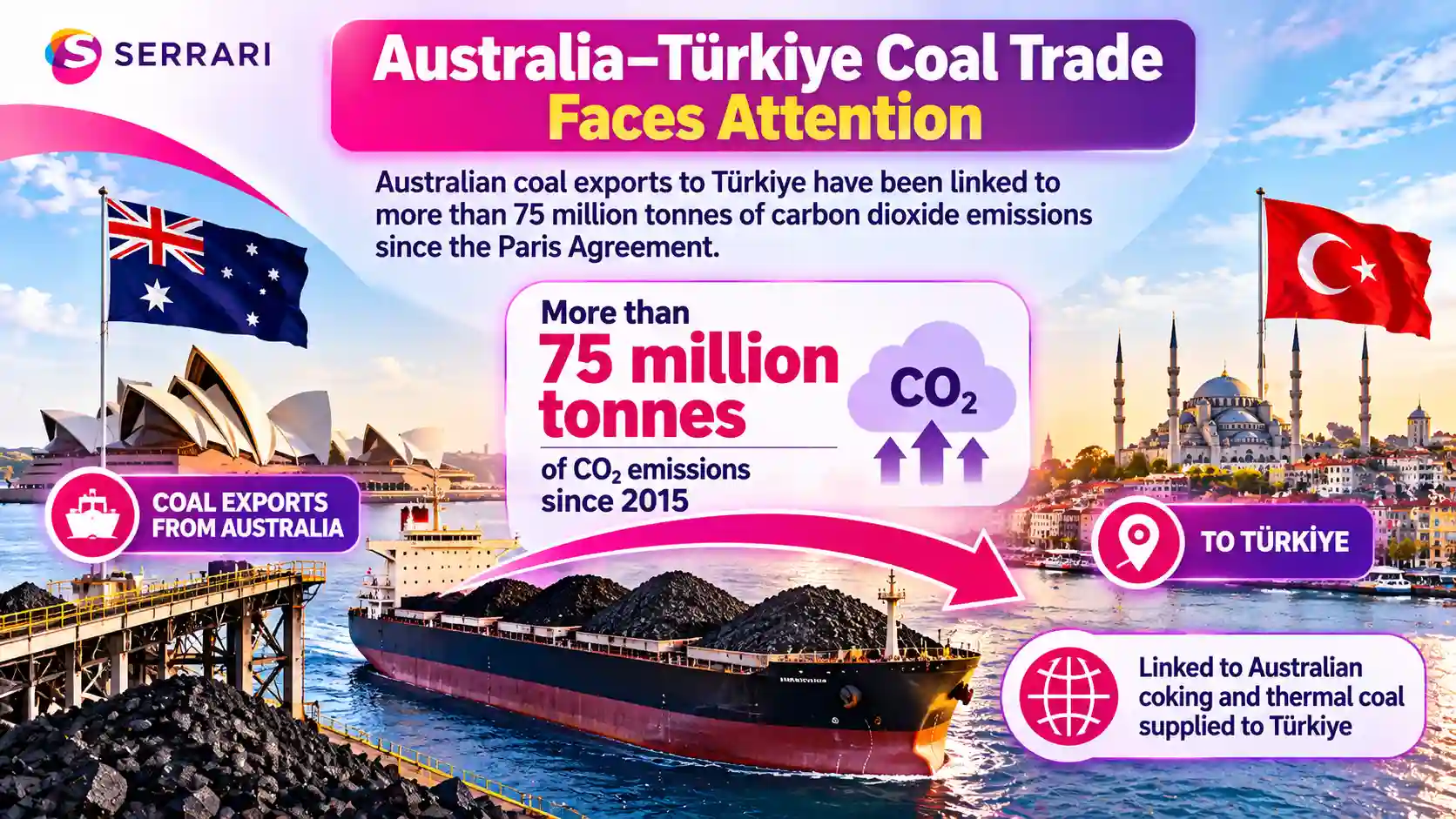
The fossil fuel relationship between Australia and Türkiye is another focus of the debate.
A report cited by the campaign group 350.org used UN Comtrade data to estimate that Australian coking and thermal coal supplied to Türkiye had been responsible for more than 75m tonnes of carbon dioxide emissions since the Paris Agreement was signed in 2015.
The report also said the two countries were expanding their trade in liquefied natural gas. These figures have been used by campaigners to argue that the COP31 hosts should provide clearer plans for reducing fossil fuel dependence.
The criticism has been reported across several outlets covering the issue, with the central focus remaining on the contrast between hosting climate negotiations and continuing fossil fuel development.
Türkiye’s Coal and Gas Expansion Plans
Türkiye is also facing scrutiny over its future energy plans.
The country has been identified as a major coal-power generator in Europe, while its energy strategy includes further development of coal and gas capacity.
A figure cited in coverage of the issue indicates that Türkiye could expand its coal and gas power capacity by about 30% by 2035.
For campaigners, the proposed expansion raises questions about how quickly the country can reduce fossil fuel use while also overseeing a global climate conference focused on accelerating climate action.
Calls for Coal Phase-Out Plans
Campaigners are calling on both countries to publish clearer strategies for transitioning away from fossil fuels.
350.org has urged the COP31 hosts to announce coal phase-out dates and develop national roadmaps for moving away from fossil fuels.
The group argues that the hosts should build on work from the previous climate conference in Brazil, where countries agreed to begin discussions around a roadmap for transitioning away from fossil fuels.
The calls come as governments prepare for the formal negotiations, where issues surrounding emissions reductions, clean energy investment and climate finance are expected to remain central.
Pacific Countries Seek Stronger Climate Action
Australia’s role in COP31 also has particular significance for Pacific island nations.
Australia pushed for preparatory climate discussions to take place in the Pacific, arguing that this would highlight the challenges faced by low-lying island countries.
The pre-COP meeting is taking place in Fiji and Tuvalu, with Australian Prime Minister Anthony Albanese among the leaders expected to participate. However, relatively few leaders from outside the region have accepted invitations to attend.
Pacific representatives have repeatedly raised concerns about the effects of rising temperatures, sea-level rise and continued fossil fuel expansion on vulnerable island states.
Different Views on Australia’s Role
Australia’s government has defended its climate position by pointing to the country’s growing renewable energy sector and its potential to become a major renewable energy exporter.
Chris Bowen has previously argued that the global energy transition presents an opportunity for Australia to supply clean energy to countries pursuing their own transitions.
At the same time, critics argue that continued coal and gas exports complicate Australia’s climate diplomacy. The debate is therefore not only about Australia’s domestic energy policy but also about the country’s role in representing and negotiating climate action internationally.
Outlook
The scrutiny facing Australia and Türkiye is likely to remain part of the wider discussion as COP31 approaches. Both countries will have important responsibilities in the negotiations, while campaigners and other governments will be watching how their domestic energy policies align with the objectives of the climate talks.
For Australia, the challenge centres on balancing its position as a major fossil fuel exporter with its expanding renewable energy sector and leadership role in the negotiations. For Türkiye, attention is focused on its continued coal and gas development and how that fits with its responsibilities as COP31 host.
The upcoming conference will provide an opportunity for both countries to set out their positions on fossil fuel transition, renewable energy and broader climate action.
FAQs
1. Where will COP31 be held?
COP31 will be held in Antalya, Türkiye.
2. What role will Australia have at COP31?
Australia will serve as president of negotiations, while Türkiye will host the conference.
3. Why are the two countries facing criticism?
Environmental campaigners have raised concerns about their continued fossil fuel activities while they prepare to lead international climate negotiations.
4. What are campaigners asking Australia and Türkiye to do?
Campaigners are calling for coal phase-out dates and national roadmaps for transitioning away from fossil fuels.
Sources: The Guardian | Nacionale | PiQ Markets
Your financial future isn’t something you wait for—it’s something you build.
The real question is: when do you begin?
Move beyond simply staying informed.
Navigate the markets with clarity—track trends through the Serrari Group Market Index, uncover opportunities in the Serrari Marketplace, and build practical knowledge with our Curated Wealth Builder Platform.
Stay connected to what truly matters.
Get daily insights on macro trends and financial movements across Kenya, Africa, and global markets—delivered through the Serrari Newsletter.
Growth opens doors.
Advance your career through professional programs including ACCA, HESI A2, ATI TEAS 7 , HESI EXIT , NCLEX – RN and NCLEX – PN, Financial Literacy!🌟—designed to move you forward with confidence.
See where money is flowing—clearly and in real time.
Track Money Market Funds, Treasury Bills, Treasury Bonds, Green Bonds, and Fixed Deposits, alongside global and African indexes, key economic indicators, and the evolving Crypto and stablecoin landscape—all within Serrari’s Market Index.