














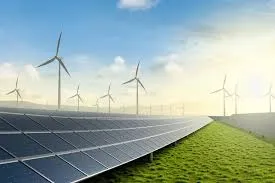
The European Bank for Reconstruction and Development is supporting Egypt’s energy transition with a $65 million loan to develop a solar and battery project at Benban Solar Park, reinforcing its role in financing large-scale renewable infrastructure in emerging markets.
The project includes a 200 MW solar plant and a 120 MWh battery energy storage system, aimed at expanding renewable capacity, improving grid stability, and reducing emissions, while enabling more efficient integration of solar power into the national electricity system.
Key Overview
- $65M loan from EBRD
- 200 MW solar PV plant
- 120 MWh battery storage system
- Located at Benban Solar Park
- Up to 280,000 tonnes CO₂ reduced annually
- Includes green skills training programs
- Supports Egypt’s 42% renewables by 2030 target
European Bank for Reconstruction and Development is reinforcing Egypt’s green energy transition with a $65 million construction bridging loan to Hassan Allam Utilities to develop a new renewable energy project at Benban Solar Park near Aswan.
The financing will support the construction of a 200 MW solar photovoltaic (PV) plant alongside a 120 MWh battery energy storage system (BESS), marking a significant step in expanding Egypt’s renewable energy capacity and strengthening its transition toward a low-carbon economy.
This development reflects a broader strategic shift in energy investment, where large-scale renewable projects are increasingly being designed with integrated storage solutions to address the limitations of intermittent power generation.
The project highlights how the next phase of renewable energy deployment is focused not just on generation, but on system reliability and efficiency.
By combining solar generation with battery storage, the initiative supports a more stable and flexible electricity supply, enabling better alignment between energy production and consumption patterns.
At the same time, the project reinforces Egypt’s position as a key destination for international climate finance, with development institutions playing a central role in mobilising capital for infrastructure at scale.
Markets move fast; don’t get left behind. We’ve paired the Serrari Group Market Index with a curated Marketplace and a comprehensive Wealth Builder Platform to ensure you have the data—and the skills—to act on it.
Integrating Solar Power With Battery Storage
A defining feature of the project is the integration of battery energy storage with solar generation, enabling more efficient utilisation of renewable energy that would otherwise be subject to variability.
Solar power generation is inherently dependent on sunlight availability, which creates fluctuations in output throughout the day. Battery systems address this challenge by storing excess energy during peak production periods and releasing it when demand is higher or generation is lower.
Storage is becoming a critical enabler of large-scale renewable energy deployment.
This capability significantly improves grid stability, reduces the need for fossil fuel-based backup generation, and enhances the overall reliability of the electricity system.
By smoothing out supply fluctuations, storage systems also enable higher penetration of renewable energy within the grid, supporting long-term decarbonisation goals.
Once operational, the facility is expected to reduce carbon dioxide emissions by up to 280,000 tonnes annually, contributing directly to Egypt’s climate targets while supporting cleaner and more sustainable energy generation.
The combination of solar generation and battery storage reflects a broader transition toward more resilient, flexible, and integrated energy systems.
This approach is increasingly being adopted globally as countries seek to balance the expansion of renewable capacity with the need for stable and reliable electricity supply.
Supporting Skills Development and Inclusion
Beyond physical infrastructure, the project incorporates a strong focus on human capital development and social impact, through a technical cooperation package under the EBRD’s Gender and Economic Inclusion Framework.
This initiative will support the development of two nationally accredited training programs, designed to equip young jobseekers with the green skills required in Egypt’s rapidly expanding renewable energy sector.
Workforce development is becoming an integral component of large-scale energy transition projects.
As the energy sector evolves, the demand for skilled labour in areas such as solar installation, system maintenance, and energy management continues to grow, making training programs essential for long-term sustainability.
In addition to skills development, the program will help strengthen human resources practices within HAU Energy by embedding gender equality principles and promoting more inclusive workplace policies.
This includes expanding access for women to technical and leadership roles, addressing gender gaps in the energy sector and supporting broader economic inclusion.
The integration of inclusion and skills development reflects a more holistic approach to energy transition—one that combines infrastructure investment with social and economic impact.
By aligning energy development with workforce readiness and inclusion, the project contributes not only to environmental goals, but also to long-term economic resilience and equitable growth.
Expanding Benban Solar Park’s Capacity
The project forms part of the broader expansion of Benban Solar Park, one of the largest solar installations globally, with current installed capacity reaching approximately 1,465 MW and long-term targets expected to exceed 2,000 MW.
Located near Aswan, Benban has already emerged as a flagship renewable energy hub, attracting significant international investment and serving as a cornerstone of Egypt’s solar energy strategy.
The addition of new capacity through this project will further strengthen Egypt’s renewable energy base, enhancing its ability to meet rising electricity demand driven by population growth, industrial expansion, and increasing energy consumption.
Large-scale solar hubs are playing an increasingly central role in national energy transition strategies.
Beyond capacity expansion, the integration of battery storage within the project adds an additional layer of functionality, enabling more efficient energy distribution and improving system responsiveness.
This development aligns closely with Egypt’s broader plan to add 3,000 MW of solar capacity and expand battery storage infrastructure, reflecting a coordinated effort to modernize the country’s energy system.
The expansion of Benban illustrates how centralized renewable energy hubs can serve as anchors for wider energy system transformation.
By combining scale, infrastructure, and technology, projects like this are helping to build a more robust and future-ready energy network.
Context is everything. While you follow today’s updates, use the Serrari Group Market Index and Marketplace to spot emerging shifts. Need to sharpen your edge? Our Wealth Builder Platform turns these insights into a professional-grade strategy.
Strengthening Energy Security and Climate Goals
The initiative directly supports Egypt’s broader objective of generating 42% of its electricity from renewable sources by 2030, a target aimed at reducing dependence on fossil fuels and improving long-term energy sustainability.
By increasing renewable capacity and integrating storage solutions, the project contributes to reducing reliance on imported fuels, which have historically exposed the country to price volatility and external supply risks.
Energy diversification is becoming a key pillar of national energy security strategies.
The integration of solar power with battery storage enhances the stability and reliability of the national grid, particularly during periods of peak demand or fluctuations in generation.
This is especially important in regions where energy demand is rising rapidly, requiring systems that can deliver consistent and uninterrupted electricity supply.
Energy transition efforts are increasingly focused not only on sustainability, but also on system resilience and reliability.
In addition to environmental benefits, the project contributes to broader economic objectives by supporting infrastructure development, enabling job creation, and fostering technological advancement within the energy sector.
These outcomes reinforce the role of renewable energy projects as drivers of both environmental progress and economic growth.
What This Means for Energy and Investment
The project highlights several key trends shaping global energy markets and influencing how capital is being deployed in the transition to low-carbon systems.
First, blended renewable and storage solutions are becoming the new standard, as countries move beyond standalone generation projects toward integrated systems that improve efficiency, reliability, and grid performance.
The combination of generation and storage is redefining how renewable energy projects are designed and implemented.
Second, development finance institutions such as the European Bank for Reconstruction and Development are playing a critical role in funding large-scale infrastructure projects in emerging markets, providing the capital and risk mitigation needed to unlock investment.
These institutions are increasingly acting as catalysts, attracting additional private sector participation and supporting project scalability.
Third, energy transition is becoming more closely linked to workforce development and social inclusion, ensuring that infrastructure investments also deliver long-term economic and societal benefits.
The energy transition is evolving into a multi-dimensional process that goes beyond infrastructure to include people, skills, and institutions.
As a result, energy investment is shifting toward a more comprehensive approach that combines infrastructure development, financial innovation, and social impact, reflecting the complexity and scale of the global transition to sustainable energy systems.
Outlook: Scaling Egypt’s Renewable Energy Future
In the short term, the immediate focus will be on the construction and implementation of the solar and battery project, ensuring that key milestones are met on schedule and that the integration of generation and storage systems is executed effectively.
This phase will be critical in translating financing into tangible infrastructure, while also testing the efficiency of project coordination, technology deployment, and grid integration.
Over the medium term, the continued expansion of Benban Solar Park and the development of similar large-scale renewable projects are expected to significantly accelerate Egypt’s renewable energy deployment, increasing overall capacity and improving energy system flexibility.
Momentum in project rollout will be essential for maintaining progress toward national energy targets.
As more projects come online, the focus will increasingly shift toward optimizing grid performance, enhancing storage capacity, and ensuring that renewable energy can be integrated seamlessly into the national electricity network.
In the long term, Egypt aims to position itself as a regional clean energy hub, supported by large-scale solar capacity, expanded battery storage, and modernized grid infrastructure capable of handling higher shares of renewable energy.
This ambition reflects a broader strategy of leveraging geographic advantages, infrastructure investment, and international partnerships to play a larger role in regional energy markets.
Long-term success will depend on the ability to scale integrated renewable systems efficiently while maintaining reliability and cost-effectiveness.
Ultimately, Egypt’s energy transition will be shaped not only by the expansion of renewable capacity, but also by how effectively it can build a resilient, flexible, and future-ready energy system.
Your financial future isn’t something you wait for—it’s something you build.
The real question is: when do you begin?
Move beyond simply staying informed.
Navigate the markets with clarity—track trends through the Serrari Group Market Index, uncover opportunities in the Serrari Marketplace, and build practical knowledge with our Curated Wealth Builder Platform.
Stay connected to what truly matters.
Get daily insights on macro trends and financial movements across Kenya, Africa, and global markets—delivered through the Serrari Newsletter.
Growth opens doors.
Advance your career through professional programs including ACCA, HESI A2, ATI TEAS 7 , HESI EXIT , NCLEX – RN and NCLEX – PN, Financial Literacy!🌟—designed to move you forward with confidence.
See where money is flowing—clearly and in real time.
Track Money Market Funds, Treasury Bills, Treasury Bonds, Green Bonds, and Fixed Deposits, alongside global and African indexes, key economic indicators, and the evolving Crypto and stablecoin landscape—all within Serrari’s Market Index.