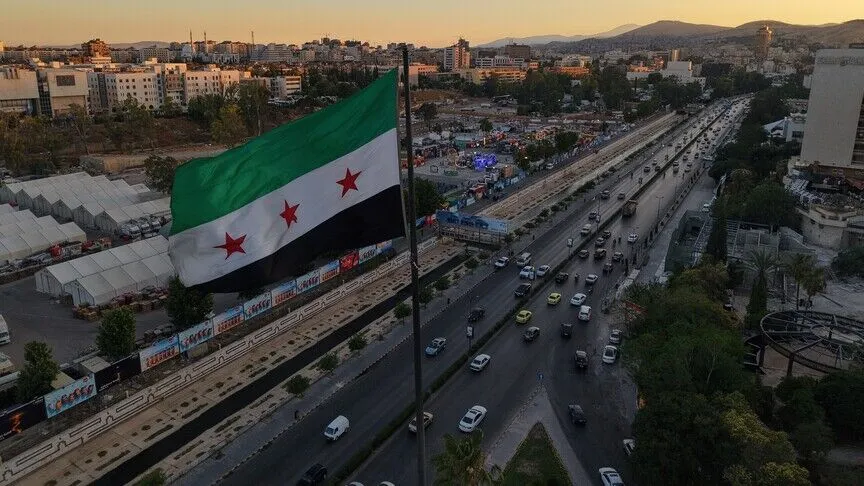
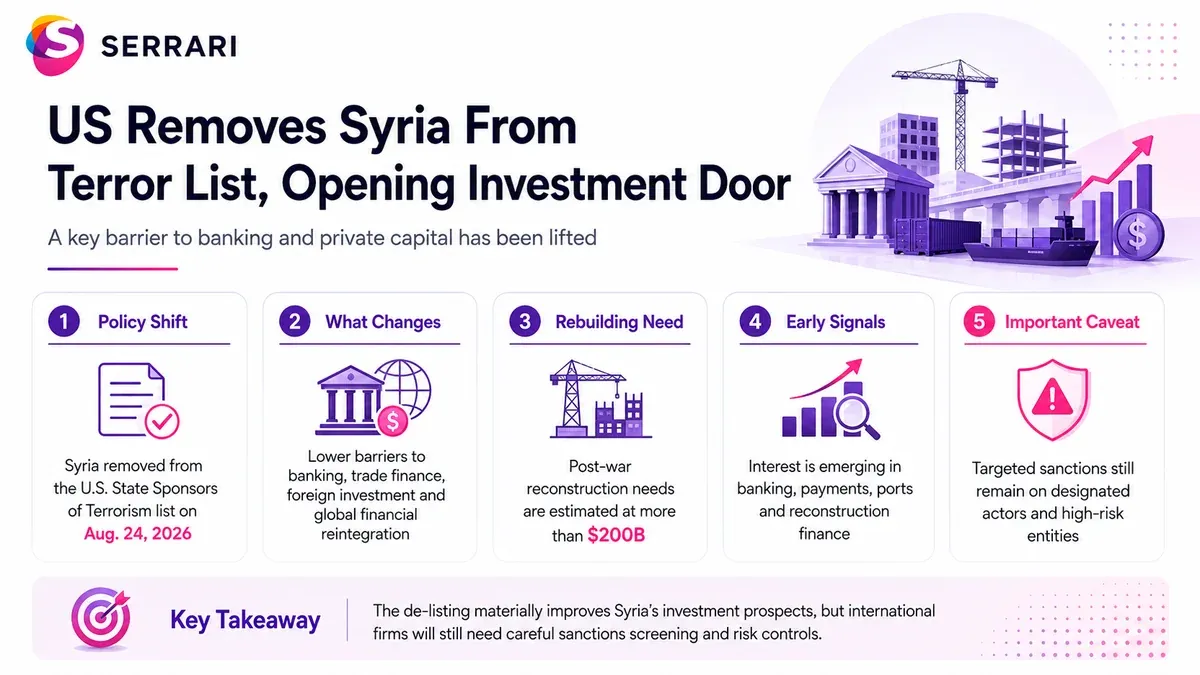
The United States formally removed Syria from its State Sponsors of Terrorism designation on August 24, 2026 (U.S. Department of the Treasury), ending a status the country had carried since 1979. The decision followed a 45-day congressional review and removes one of the most significant remaining legal and compliance barriers to Syria’s reintegration into international finance.
The decision builds on Washington’s earlier termination of the broad Syria sanctions program, which became effective on July 1, 2025 (U.S. Department of the Treasury), creating substantially more room for banks, investors and multinational companies to assess opportunities in a country whose physical reconstruction needs are estimated at $216 billion.
Key Overview
- Syria was formally removed from the U.S. State Sponsors of Terrorism list on August 24, 2026.
- The designation had remained in place since 1979.
- The removal eliminates major restrictions associated with foreign assistance, defense trade, controlled exports and financial dealings.
- Comprehensive U.S. sanctions on Syria had already been terminated in July 2025.
- Targeted sanctions remain on Bashar al-Assad, former-regime associates, terrorists, human-rights abusers, drug traffickers and other designated actors.
- Syria’s physical reconstruction costs are estimated at $216 billion.
- Banks, payment companies and infrastructure investors are already exploring or executing major projects connected to Syria.
A Major Financial Barrier Comes Down
The State Sponsors of Terrorism designation did considerably more than carry diplomatic stigma. It was linked to restrictions on U.S. foreign assistance, arms transfers and controlled exports, while also creating substantial legal and compliance concerns for financial institutions considering Syrian transactions. A congressional assessment of the designation outlined restrictions on foreign aid and defense-related trade (Congress.gov), making its removal commercially significant as well as politically symbolic.
Those risks reached beyond American financial institutions. International banks rely extensively on correspondent relationships and dollar-clearing systems, making Syrian transactions difficult even when individual transactions could technically proceed.
The latest action follows the 2025 dismantling of the broader sanctions architecture. Washington removed 518 individuals and entities from sanctions lists during that earlier overhaul (U.S. Department of the Treasury), while preserving measures against individuals and organizations considered security, terrorism or illicit-finance risks.
Context is everything. Stay ahead of shifting trends with today’s market updates, and uncover emerging opportunities using the Serrari Group Market Index and Marketplace. Then, take control of your own financial future by exploring our Money & Life Reset Transformation Blueprint ™ to build stronger habits, create better systems, and design a path toward lasting wealth.
Investment Interest Was Already Returning
International financial interest had begun resurfacing even before the formal delisting. Syria’s finance minister held discussions with Bank of America executives in August over potential cooperation and financial reintegration (الوكالة العربية السورية للأنباء – سانا), illustrating how global institutions are beginning to reassess a market that had been largely isolated for more than a decade.
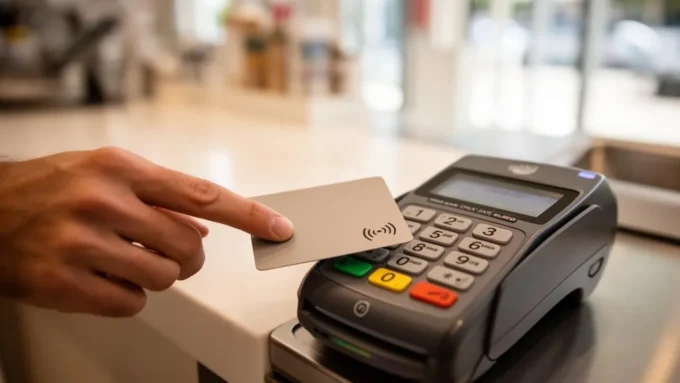
Payment infrastructure is also being rebuilt. QNB and Mastercard are working with Syria’s central bank to establish international card-payment infrastructure (Mastercard), covering point-of-sale transactions, e-commerce and other digital payment services.
Large infrastructure financing is beginning to reappear as well. A consortium involving JPMorgan, QNB and Abu Dhabi Commercial Bank has been linked to a proposed financing package approaching $7 billion (TheBeiruter) for projects associated with Qatar-based Power International Holding.
Separately, DP World is implementing an $800 million modernization programme at the Port of Tartous (DP World), including upgraded cargo infrastructure and equipment intended to expand the port’s handling capacity.
Syria Faces a $216 Billion Reconstruction Bill
The investment opportunity is enormous because Syria’s destruction is equally substantial. A nationwide assessment placed estimated reconstruction costs at $216 billion (World Bank), with a possible range of between $140 billion and $345 billion.
Direct physical damage was estimated at approximately $108 billion, including severe losses to infrastructure, residential buildings and commercial property. The central reconstruction estimate includes around $82 billion for infrastructure, $75 billion for residential buildings and $59 billion for non-residential structures, placing the total at nearly ten times Syria’s projected 2024 GDP.
That scale creates potential opportunities across electricity, transport, housing, logistics, telecommunications, financial services and industrial reconstruction. Functioning international bank connections could also make it easier for Syrian businesses to obtain working capital, import equipment and participate in international trade.
Delisting Does Not Eliminate Every Investment Risk
Syria’s removal from the terrorism list does not mean every U.S. restriction has disappeared. Washington continues to maintain targeted sanctions on Assad-linked and destabilizing actors (Office of Foreign Assets Control), including individuals connected to terrorism, human-rights abuses, Captagon trafficking, Iran-linked groups and other sanctioned activities.
Banks and investors will therefore still need rigorous sanctions screening, anti-money-laundering controls and counter-terrorist-financing procedures. Security conditions, institutional capacity, contract enforcement and political stability will remain important considerations for anyone committing long-term capital.
Even with those risks, the August 24 decision substantially changes Syria’s investment landscape. Removing a designation that had lasted nearly 47 years lowers one of the largest remaining barriers between Syria and international capital just as the country seeks hundreds of billions of dollars to rebuild its economy and infrastructure.
Sources: U.S. Department of the Treasury / U.S. Department of State / Reuters / World Bank / Mastercard / DP World / Syrian Arab News Agency
Your financial future isn’t something you wait for—it’s something you build.
The real question is: when do you begin?
Move beyond simply staying informed.
Navigate the markets with clarity—track trends through the Serrari Group Market Index, uncover opportunities in the Serrari Marketplace, and build practical knowledge with our Curated Wealth Builder Platform.
Stay connected to what truly matters.
Get daily insights on macro trends and financial movements across Kenya, Africa, and global markets—delivered through the Serrari Newsletter.
Growth opens doors.
Advance your career through professional programs including ACCA, HESI A2, ATI TEAS 7 , HESI EXIT , NCLEX – RN and NCLEX – PN, Financial Literacy!🌟—designed to move you forward with confidence.
See where money is flowing—clearly and in real time.
Track Money Market Funds, Treasury Bills, Treasury Bonds, Green Bonds, and Fixed Deposits, alongside global and African indexes, key economic indicators, and the evolving Crypto and stablecoin landscape—all within Serrari’s Market Index.