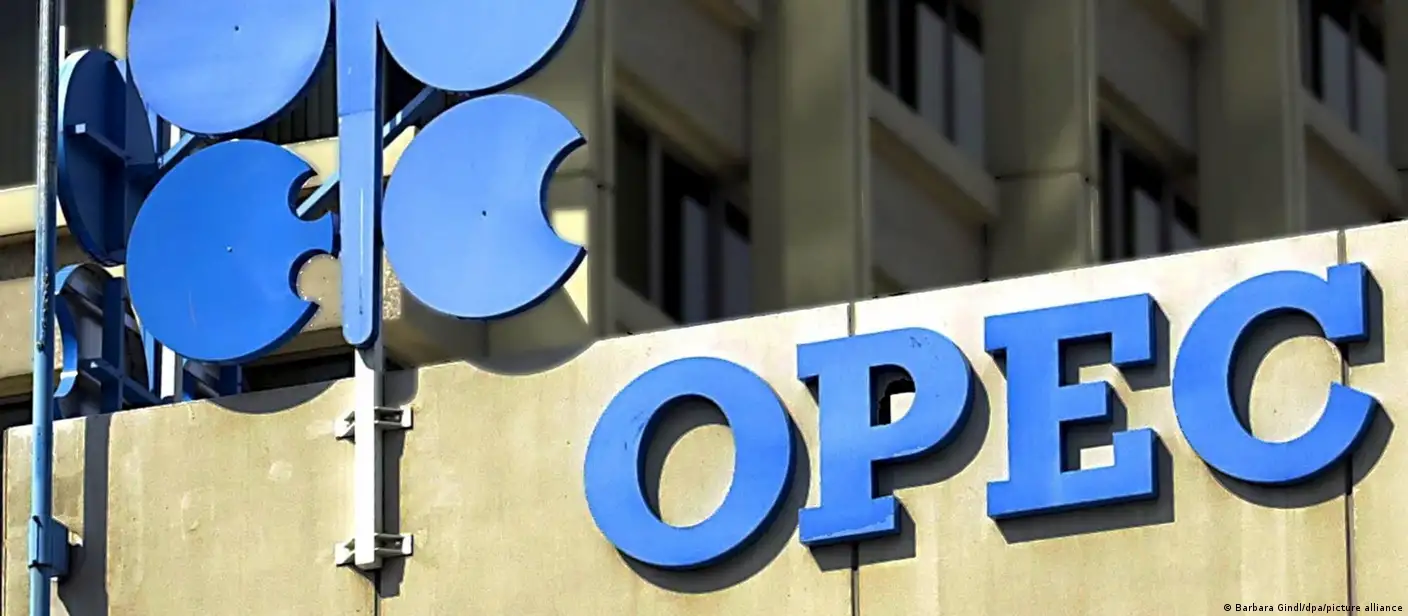
The United Arab Emirates announced on April 28, 2026, that it will withdraw from the Organization of the Petroleum Exporting Countries (OPEC) and the broader OPEC+ alliance, effective May 1. The decision ends nearly six decades of membership and strips the cartel of its third-largest oil producer. Framed as a move to pursue national interests and unlock production capacity constrained by quotas, the exit arrives at one of the most volatile moments in modern energy history — with the Iran war causing the largest oil supply disruption on record and the Strait of Hormuz effectively closed to commercial shipping. Analysts warn the departure could prompt other members to follow, potentially unravelling OPEC’s ability to control global oil prices.
Markets move fast; don’t get left behind. We’ve paired the Serrari Group Market Index with a curated Marketplace and a comprehensive Wealth Builder Platform to ensure you have the data—and the skills—to act on it.
Key Overview
- Effective date: May 1, 2026
- UAE’s OPEC membership duration: 59 years (since 1967 via Abu Dhabi)
- UAE production capacity: 4.85 million barrels per day (bpd), with a target of 5 million bpd by 2027
- OPEC quota restriction: Capped UAE output at approximately 3.2 million bpd, roughly 30% below capacity
- Iran war supply impact: OPEC production fell 27% to 20.79 million bpd in March
- Oil price reaction: WTI crude surpassed $100 per barrel; Brent rose to nearly $113
- Potential follow-on exits: Analysts flag Kazakhstan and Nigeria as possible next departures
- OPEC’s reduced share: Global supply control expected to drop from around 30% to 26%
A Historic Break With the Oil Cartel
The United Arab Emirates has announced that it will exit OPEC and the wider OPEC+ alliance on May 1, 2026, in a move that marks the most consequential departure from the oil cartel in decades. The Gulf state, which joined OPEC through its emirate of Abu Dhabi in 1967, cited its evolving energy profile and the need to prioritise national interests as the driving forces behind the decision.
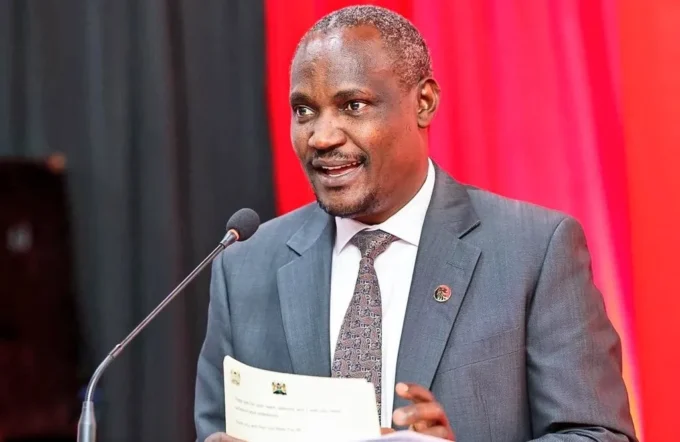
In a statement carried by state media, the UAE said the withdrawal reflects its long-term strategic and economic vision, adding that its time in the organisation had involved significant contributions and sacrifices. UAE Energy Minister Suhail Al Mazrouei told Reuters that the decision was purely policy-driven and came after a comprehensive review of the country’s production capacity. He confirmed that Abu Dhabi did not consult Saudi Arabia or any other OPEC member before making the announcement.
The withdrawal is effective immediately before OPEC’s scheduled meeting in Vienna on Wednesday, adding a dramatic backdrop to what was already expected to be a tense session. According to Bloomberg, the exit is the culmination of years of tension with OPEC leader Saudi Arabia over both output policy and competition for regional political influence.
Years of Frustration Over Production Quotas
At the heart of the UAE’s decision is a long-standing frustration with the quota system that lies at the core of OPEC’s price management strategy. The UAE, the world’s seventh-largest oil producer, has a current sustainable production capacity of 4.85 million barrels per day. However, under OPEC+ agreements, the country has been producing approximately 30% below its capacity — an arrangement that effectively left billions of dollars in potential revenue untapped.
Abu Dhabi’s state-owned energy giant, ADNOC, has been investing $150 billion to raise its maximum sustainable output, with an official target of reaching 5 million bpd by 2027 — a timeline accelerated from the original 2030 goal. As NPR reported, the UAE’s spare capacity is unusually large for an OPEC member, and leaving the cartel frees the country to produce and sell more of that oil.
Robin Mills, CEO of Dubai-based consultancy Qamar Energy, told CNN that the quotas had capped the UAE’s output at around 3.2 million bpd, suggesting production could nearly double without the constraints. He added that the exit could prompt other members to follow suit, singling out Kazakhstan as another significant producer eager to grow output.
The Iran War and the Strait of Hormuz Crisis
The UAE’s departure does not occur in isolation. The decision arrives against the backdrop of the most severe disruption to global energy supplies in modern history, triggered by the US-Israel war on Iran that began on February 28, 2026.
The conflict prompted Iran to effectively close the Strait of Hormuz, a narrow waterway between Iran and Oman through which roughly a fifth of the world’s crude oil and liquefied natural gas typically passes. The International Energy Agency has described the resulting supply disruption as the largest in the history of the global oil market. According to The National, the war wiped out 7.88 million bpd of OPEC’s production in March, causing output to plunge 27% — a supply collapse that surpasses the cuts during the COVID-19 pandemic, the 1970s oil crisis, and the 1991 Gulf War.
For the UAE specifically, the consequences have been dire. The country’s own production slumped 44% to 1.9 million bpd in March as Iranian missile and drone attacks targeted the Gulf state and disrupted its ability to export through the strait. Research by the Federal Reserve Bank of Dallas estimates that the closure of the strait could raise WTI oil prices to $98 per barrel in the second quarter and reduce global GDP growth by 2.9 percentage points.
An energy industry source told The National that the UAE felt this was the right time to leave because the disruption meant the decision would have minimal immediate impact on prices. The UAE intends to gradually increase production once freedom of navigation is restored.
Implications for OPEC and Global Oil Markets
The loss of the UAE is a significant blow to OPEC’s cohesion and price-setting power. The UAE was responsible for roughly $77 billion in oil sales in 2025, representing just under 17% of OPEC’s total revenue. Its departure will reduce OPEC’s control of global supply from roughly 30% to 26%, according to Dan Pickering, chief investment officer at Pickering Energy Partners.
Rystad Energy’s head of geopolitical analysis, Jorge Leon, warned that the exit leaves OPEC structurally weaker. He noted that alongside Saudi Arabia, the UAE was one of the few members with meaningful spare production capacity, and its loss makes it harder for the cartel to calibrate supply and stabilise prices. Saudi Arabia now bears an even heavier burden in managing OPEC’s production strategy.
Markets reacted swiftly. Within hours of the announcement, WTI crude surged past $100 per barrel for the first time since April 10, while Brent climbed to nearly $113, as NBC News reported. At the pump, the U.S. national average price of gasoline rose to $4.18 per gallon — its highest level of 2026.
Context is everything. While you follow today’s updates, use the Serrari Group Market Index and Marketplace to spot emerging shifts. Need to sharpen your edge? Our Wealth Builder Platform turns these insights into a professional-grade strategy.
Who Could Be Next to Leave?
The UAE is not the first country to leave OPEC, but it is by far the most significant departure in years. Previous exits include Angola in 2024, Qatar in 2019, Ecuador in 2020, and Indonesia in 2016 — all citing frustrations with quotas or shifting national priorities. However, none of those departures came close to the UAE’s scale of production or strategic importance.
Analysts are now watching closely for other potential defections. Matt Smith, lead oil analyst at Kpler, flagged Kazakhstan as a key candidate, noting its persistent overproduction beyond its allocated quota. Nigeria is also on the radar, as the ramp-up of the Dangote refinery shifts the country’s focus from crude exports to domestic refining.
Gianna Bern, a professor at the University of Notre Dame, told NPR that if other countries decide to follow the UAE’s lead, there is potential for the OPEC structure to weaken significantly. Andy Lipow, president of Lipow Oil Associates, was more pointed, suggesting that members frustrated by widespread quota cheating are prime candidates to walk away.
The Globe and Mail noted that Venezuela, whose leader is in a U.S. prison and has become something of a client state, could be pressured by Washington to follow suit — especially given President Trump’s vocal hostility toward OPEC.
The Saudi-UAE Rift and Geopolitical Undercurrents
Beneath the surface of production policy lies a deeper geopolitical realignment. The UAE and Saudi Arabia, once close allies within OPEC and beyond, have increasingly diverged on regional politics and economic competition. The two countries joined a coalition to fight Yemen’s Houthi rebels in 2015, but that alliance fractured in late December 2025 when Saudi Arabia bombed what it described as a weapons shipment bound for Yemeni separatists backed by the UAE.
Karen Young, a senior research scholar at Columbia University’s Center on Global Energy Policy, told the Associated Press that the exit fits into the UAE’s broader push for flexibility with key energy consumers, including a future relationship with China and a more competitive posture relative to Saudi Arabia.
In a notable diplomatic signal, the UAE sent its foreign minister — rather than its ruler — to a Gulf Arab leaders’ meeting in Jeddah on Tuesday, hosted by Saudi Crown Prince Mohammed bin Salman. While Al Mazrouei insisted the move had nothing to do with disputes with Riyadh, the timing and context suggest otherwise.
A Gift to Washington?
The exit has also been framed as a win for the United States, whose president has repeatedly accused OPEC of inflating oil prices. Trump has previously said that while the U.S. defends OPEC members militarily, they exploit this by keeping prices artificially high.
Richard Goldberg, a former Trump administration official now at the Foundation for Defense of Democracies, said the UAE’s decision to leave could realign it more closely with Washington as an independent oil-producing ally. Capital Economics similarly noted that the ties binding OPEC members together have loosened — a trend that Washington has quietly encouraged.
Long term, ADNOC’s partnerships with American oil majors like ExxonMobil and Occidental Petroleum could benefit significantly. Freed from OPEC quota constraints, the UAE can offer these partners higher production volumes and greater operational flexibility. ExxonMobil holds a significant portfolio of joint ventures with ADNOC and already derives 20% of its global production from UAE and Qatar assets.
What Happens Next
The UAE’s exit will not translate into an immediate production surge. The near-closure of the Strait of Hormuz still imposes a hard ceiling on exports, and the Pentagon has estimated it could take six months to clear mines laid by Iran. ADNOC is also evaluating a second pipeline to Fujairah that could bypass the strait entirely, though that project remains in pre-feasibility and would likely not come online before 2028–2029.
However, once the crisis resolves, the UAE’s potential to reshape global oil markets is substantial. With capacity approaching 5 million bpd and ambitions to reach 6 million, the country could feasibly add roughly 1 million additional barrels per day — meeting about 1% of global daily demand. That extra supply, outside OPEC’s coordination framework, could exert downward pressure on prices but also introduce greater volatility, as the cartel loses one of its few remaining shock absorbers.
OPEC’s obituary has been written many times before, and the organisation has survived previous departures. But the loss of a member of the UAE’s scale, at a moment of historic disruption, represents a fracture that will be far harder to paper over. As Rystad’s Jorge Leon summarised, the calculation for low-cost producers is changing fast — and for the UAE, staying inside OPEC’s quota system simply started to look like leaving money on the table.
Your financial future isn’t something you wait for—it’s something you build.
The real question is: when do you begin?
Move beyond simply staying informed.
Navigate the markets with clarity—track trends through the Serrari Group Market Index, uncover opportunities in the Serrari Marketplace, and build practical knowledge with our Curated Wealth Builder Platform.
Stay connected to what truly matters.
Get daily insights on macro trends and financial movements across Kenya, Africa, and global markets—delivered through the Serrari Newsletter.
Growth opens doors.
Advance your career through professional programs including ACCA, HESI A2, ATI TEAS 7 , HESI EXIT , NCLEX – RN and NCLEX – PN, Financial Literacy!🌟—designed to move you forward with confidence.
See where money is flowing—clearly and in real time.
Track Money Market Funds, Treasury Bills, Treasury Bonds, Green Bonds, and Fixed Deposits, alongside global and African indexes, key economic indicators, and the evolving Crypto and stablecoin landscape—all within Serrari’s Market Index.