Kenya’s transport sector launched a coordinated nationwide strike on Monday, May 18, 2026, paralysing major cities and highways from Mombasa to Eldoret in protest against record fuel price increases. The action, described as one of the largest coordinated industrial actions in Kenya’s history, brought matatus, buses, ride-hailing services, cargo trucks, and boda bodas to a standstill after the Energy and Petroleum Regulatory Authority (EPRA) raised diesel prices by KSh 46.29 per litre to a historic high of KSh 242.92. With an estimated 90% compliance rate, the strike stranded millions of commuters, forced school closures, and triggered clashes between protesters and police in multiple towns.
Key Overview
- Strike Date: Monday, May 18, 2026, beginning at midnight
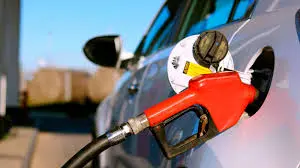
- Diesel Price Increase: KSh 46.29 per litre, pushing the pump price to a record KSh 242.92 in Nairobi
- Petrol Price Increase: KSh 16.65 per litre, bringing super petrol to KSh 214.25 in Nairobi
- Fare Impact: Transport operators imposed an immediate 50% fare hike ahead of the strike
- Compliance Rate: Approximately 90% of commercial freight and public service vehicle operators participated
- Estimated Economic Cost: KSh 2.5 billion in daily GDP losses according to macroeconomic analysts
- Key Demands: Reversal of fuel price hike, reduction of diesel and petrol to approximately KSh 152 per litre, disbandment of EPRA
Kenya’s major economic corridors ground to a devastating halt on Monday morning as a coordinated nationwide strike by public transport operators paralysed urban centres from the coastal port of Mombasa to the highland towns of the Rift Valley. Matatus, buses, boda bodas, ride-hailing services, cargo trucks, and school buses all ceased operations in what the Transport Sector Alliance described as one of the largest coordinated industrial actions in Kenya’s history.
The shutdown was immediately felt across the country. Major arteries including the Thika Superhighway and Nairobi’s Central Business District were reduced to empty stretches as commuters were forced to walk long distances to work. Schools across multiple counties suspended operations, with learners who had reported being sent home. Businesses in urban centres across the Mt Kenya region, Meru, Machakos, Kajiado, and Nyandarua remained shuttered as transport routes ground to a standstill by 9 a.m.
The Trigger: Record Fuel Prices
The genesis of the strike lies in EPRA’s May 15 to June 14 pricing cycle, announced on Thursday, May 14, which delivered one of the steepest fuel price increases in Kenya’s history. Diesel surged by KSh 46.29 per litre to retail at KSh 242.92 in Nairobi, an all-time record. Super petrol rose by KSh 16.65 to KSh 214.25, while kerosene remained unchanged at KSh 152.78.
EPRA attributed the adjustments to soaring international petroleum costs. The average landed cost of imported diesel rose by 20.32% between March and April 2026, climbing from US$1,073.82 to US$1,291.98 per cubic metre. Super petrol landed costs rose 10%. The regulator noted that Kenya imports all its refined petroleum products, leaving domestic pump prices fully exposed to international market fluctuations, exchange rate movements, and the geopolitical disruptions stemming from the Middle East conflict.
The government said it would cushion consumers by deploying approximately KSh 5 billion from the Petroleum Development Levy Fund to subsidise diesel and kerosene, down from KSh 6.2 billion in the previous cycle. Value Added Tax on petroleum products also remains at a reduced rate of 8%, halved from the standard 16% following an emergency legal notice in April. But for transport operators, these measures fell far short of offsetting the damage.
The Kenya National Chamber of Commerce and Industry warned that the fuel shock is not just an energy issue but an economy-wide structural shock. Since January 2026, diesel prices have risen by 42.5%, far outpacing the 17.4% increase in petrol. The Chamber noted that Kenya remains one of the highest-cost fuel markets in the region, with diesel prices materially higher than regional competitors Uganda and Tanzania.
A Unified Front Across the Transport Sector
The strike was backed by a broad coalition of organisations including the Federation of Public Transport Sector, the Matatu Owners Association, the Truckers Association of Kenya, the Digital Taxi Association, the Association of Bus Operators, the Motorist Association of Kenya, and several motorcycle transport groups. Transport associations reported an unprecedented 90% compliance rate among commercial freight and public service drivers.
Ahead of the shutdown, Matatu Owners Association Chairman Albert Karakacha announced an immediate 50% increase in all commuter fares, saying the adjustment was necessary to keep operations running under the new fuel costs. A commuter trip that cost KSh 100 on Friday immediately shot up to KSh 150. But operators acknowledged this was unsustainable, arguing that extracting higher fares from an equally cash-strapped consumer base would only collapse demand.
Rig Owners Association Chairman Cornelius Chepsoi demanded the government drop all taxes on petroleum products, stating that operators had experienced a 70% cumulative fuel price increase in under two months. Kenya currently charges seven levies and two taxes on fuel, including excise duty, the Road Maintenance Levy, the Railway Development Levy, and the Anti-Adulteration Levy, making it one of the most heavily taxed fuel markets globally.
Context is everything. While you follow today’s updates, use the Serrari Group Market Index and Marketplace to spot emerging shifts. Need to sharpen your edge? Our Wealth Builder Platform turns these insights into a professional-grade strategy.
Demands Beyond Price Reversal
The Transport Sector Alliance’s demands extend well beyond an immediate price rollback. The coalition is calling for the standardisation of all petroleum products at the current kerosene price of KSh 152.78 per litre, with a long-term target of KSh 140 to KSh 150 per litre. They are also demanding the disbandment of EPRA, the resignation of Energy and Petroleum Cabinet Secretary Opiyo Wandayi, the restructuring of the National Oil Corporation of Kenya, and the revival of the Changamwe Oil Refinery to process Turkana crude oil locally.
The alliance has also criticised the government-to-government fuel procurement arrangement, calling for a return to a competitive free-market system. The G-to-G import deal with Gulf suppliers, originally intended to bring price stability, has been plagued by controversy including the MT Paloma scandal and the resignation of several senior officials, including the former EPRA Director General.
Protests Turn Violent in Several Towns
As the strike progressed, the economic frustration escalated into unrest in several flashpoints. In Kitengela, south of Nairobi, protesters burned tyres and barricaded roads. In Meru County, roads to and from multiple towns were blocked with stones and fires, and police fired teargas at protesters who attempted to commandeer an ambulance. In Eldoret, angry youths barricaded major roads, requiring police deployments to restore order.
Anti-riot units were deployed across critical infrastructure sites, particularly along the Nakuru-Nairobi Highway. In Rongai and sections of the Ruiru bypass, agitated groups established physical barricades demanding immediate reversal of the government’s fuel taxation policies.
Karakacha told the Daily Nation that operators had incurred losses exceeding KSh 500 million on Monday alone but were prepared to continue the strike until diesel and petrol prices were reduced.
The Government’s Dilemma
The government has so far resisted calls for a full reversal. Treasury Cabinet Secretary John Mbadi described the strike as “completely uncalled for,” arguing that Kenya cannot solve a global problem using domestic means and pointing to the US-Iran conflict as the underlying driver of international oil prices.
But the administration faces a tightening policy dilemma. Kenya has no strategic petroleum reserve, relying entirely on 21-day commercial stocks held by individual oil marketers. A prolonged transport shutdown threatens immediate inflation of essential agricultural commodities and imported goods, potentially triggering a secondary cost-of-living crisis that compounds the initial fuel shock.
For millions of Kenyans who depend entirely on public transport to access employment, education, and healthcare, the strike represents both a disruption and a desperate signal that the current trajectory of energy pricing has pushed the economy past its breaking point.
Sources: The Star Kenya / Daily Nation / Citizen Digital / Kenyans.co.ke / Kenyan Wallstreet / Dawan Africa / HapaKenya / Techweez / Tech-ish / KNCCI / Tuko / EPRA / Streamline Feed
Your financial future isn’t something you wait for—it’s something you build.
The real question is: when do you begin?
Move beyond simply staying informed.
Navigate the markets with clarity—track trends through the Serrari Group Market Index, uncover opportunities in the Serrari Marketplace, and build practical knowledge with our Curated Wealth Builder Platform.
Stay connected to what truly matters.
Get daily insights on macro trends and financial movements across Kenya, Africa, and global markets—delivered through the Serrari Newsletter.
Growth opens doors.
Advance your career through professional programs including ACCA, HESI A2, ATI TEAS 7 , HESI EXIT , NCLEX – RN and NCLEX – PN, Financial Literacy!🌟—designed to move you forward with confidence.
See where money is flowing—clearly and in real time.
Track Money Market Funds, Treasury Bills, Treasury Bonds, Green Bonds, and Fixed Deposits, alongside global and African indexes, key economic indicators, and the evolving Crypto and stablecoin landscape—all within Serrari’s Market Index.