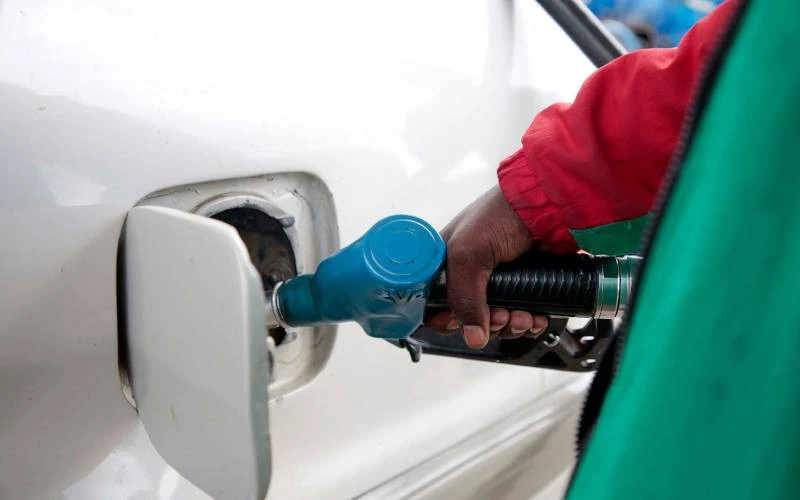
Rwanda has overtaken Kenya to become the most expensive petrol market in East Africa, driven by aggressive price revisions by the Rwanda Utilities Regulatory Authority in response to severe global oil market volatility triggered by the ongoing conflict involving the United States, Israel, and Iran. As of May 2026, motorists in Kigali are paying the equivalent of KES 259.09 per litre for petrol — approximately Rwf 2,938 — while Nairobi prices stand at KES 214.25 following the latest review by Kenya’s Energy and Petroleum Regulatory Authority. The pricing inversion reflects divergent domestic taxation policies, the acute vulnerability of landlocked nations to supply chain disruptions, currency depreciation, and the cascading effects of the Strait of Hormuz crisis on global energy flows. The shift carries significant implications for regional trade competitiveness, cost of living, and cross-border economic dynamics across the East African Community.
Markets move fast; don’t get left behind. We’ve paired the Serrari Group Market Index with a curated Marketplace and a comprehensive Wealth Builder Platform to ensure you have the data—and the skills—to act on it.
Key Overview
- Rwanda petrol price: KES 259.09 per litre (Rwf 2,938), the highest in East Africa
- Kenya petrol price: KES 214.25 per litre in Nairobi (May–June 2026 cycle)
- Uganda petrol price: Approximately KES 179.74 per litre, cheapest among major EAC economies
- Ethiopia petrol price: Approximately KES 109.36 per litre (subsidised)
- Rwanda price increase: Petrol rose from Rwf 2,303 to Rwf 2,938 per litre in two weeks (April 2026)
- Kenya diesel price: KES 242.92, the highest in regional history
- Key driver: Strait of Hormuz disruption and Iran conflict pushing global oil above $100/barrel
- Rwanda daily fuel consumption: 2 to 2.5 million litres, all imported
- Taxation share in Kenya: Taxes and levies comprise roughly 35–40 percent of pump prices
The Numbers Behind the Regional Shift
For months, Kenya held the unenviable distinction of being the region’s most expensive fuel market. That changed in April 2026 when the Rwanda Utilities Regulatory Authority raised the maximum retail price of petrol to Rwf 2,938 per litre, up from Rwf 2,303, effective April 17. The increase followed an earlier adjustment on April 3 that had already pushed prices from Rwf 1,989 to Rwf 2,303 — meaning Kigali motorists absorbed a cumulative petrol increase of nearly 48 percent in just two weeks.
RURA attributed the surge to major shifts in international markets, particularly the disruption of oil supply routes caused by the conflict involving the United States and Israel targeting Iran and the resulting closure of the Strait of Hormuz, a chokepoint through which roughly a fifth of the world’s oil and LNG shipments typically pass.
In Kenya, the Energy and Petroleum Regulatory Authority announced on May 14 that petrol would rise by KES 16.65 per litre to KES 214.25 in Nairobi for the May–June 2026 pricing cycle. Diesel saw an even sharper increase of KES 46.29 per litre to KES 242.92, the highest diesel price in Kenyan history. EPRA said the average landed cost of imported diesel surged 20.32 percent between March and April, from $1,073.82 to $1,291.98 per cubic metre.
A comparative snapshot of the current East African petroleum landscape reveals the extent of the disparities. Rwanda now leads with petrol at approximately KES 259 per litre, followed by Kenya at KES 214.25. Uganda maintains a relatively moderate position at KES 179.74, while Ethiopia offers the cheapest petrol in the region at approximately KES 109.36 per litre, sustained through state subsidies. Tanzania sits in the middle, with petrol at roughly KES 189.81 per litre.
Why Rwanda Pays More
Understanding why Rwanda now sits atop the regional price index requires looking beyond headline numbers to the structural realities of its petroleum supply chain. Unlike Kenya, which has coastal port access, or Uganda, which holds commercially viable crude reserves, Rwanda produces no oil, has no refinery, and has no pipeline. Every drop of fuel consumed in the country is imported.
According to the Rwanda Ministry of Trade and Industry, normal daily consumption stands at 2 to 2.5 million litres, with peak consumption reaching 3.1 million litres — roughly 40 percent above normal — driven by pre-emptive buying ahead of price adjustments and cross-border demand from motorists in neighbouring countries. On average, 80 fuel tanker trucks enter Rwanda every day to meet the country’s energy needs, each carrying between 30,000 and 45,000 litres.
Fuel reaches Rwanda through two primary corridors. The main route runs through the Port of Dar es Salaam in Tanzania, through the central corridor, while an alternative passes through the Port of Mombasa in Kenya, across Uganda, and into Rwanda. Importers shift between the two routes depending on cost and reliability, but both expose the country to every logistical shock, currency fluctuation, and transit tariff imposed along chains stretching hundreds of kilometres from the Indian Ocean.
Rwanda also acts as a secondary distribution hub for eastern Democratic Republic of Congo, re-exporting petroleum products to a region with no alternative supply routes. This added demand compounds the pressure on an already stretched supply system.
The Rwandan government has intervened to shield parts of the economy from the worst of the shock. Notably, diesel prices were held at Rwf 2,205 per litre even as petrol surged, a deliberate policy to protect transport operators, goods logistics, and agricultural machinery from sharper cost increases. In 2025, when petrol prices were expected to rise by about 6 percent based on global trends, the actual increase was limited to 5 percent, with the government absorbing the difference.
Context is everything. While you follow today’s updates, use the Serrari Group Market Index and Marketplace to spot emerging shifts. Need to sharpen your edge? Our Wealth Builder Platform turns these insights into a professional-grade strategy.
Kenya’s Tax-Heavy Pricing Formula
While Rwanda’s price spike is driven primarily by import vulnerability and external shocks, Kenya’s fuel costs are shaped by a fundamentally different mechanism: taxation. The Daily Nation reported that taxes and levies comprise roughly 35 to 40 percent of final pump prices in Kenya, a proportion that has fuelled relentless public backlash.
Each month, EPRA uses a formula introduced under the Petroleum Pricing Regulations of 2022 that considers international crude oil prices, the prevailing exchange rate, and a complex stack of levies including VAT, excise duty, the Petroleum Development Levy, and the Road Maintenance Levy. The Kenyan government argues these funds are indispensable for servicing national debt and maintaining the country’s road network.
The April–May pricing cycle saw one of the steepest increases in recent years, with petrol jumping KES 28.69 and diesel KES 40.30 per litre. The shock triggered nationwide panic buying, long queues at petrol stations across Nairobi, and public transport operators immediately hiking fares. In response, the government reduced the VAT rate on fuel from 16 percent to 8 percent through an emergency legal notice, and tapped the Petroleum Development Levy Fund to the tune of approximately KES 5 billion for the May cycle to stabilise diesel and kerosene prices.
The crisis also exposed governance failures. A controversial emergency fuel cargo worth KES 11.88 billion, imported by One Petroleum via the tanker MT Paloma, was declared illegal by Energy Cabinet Secretary Opiyo Wandayi and ordered removed from the country, leading to the arrest of petroleum officials and the resignation of the former EPRA Director General.
The Strait of Hormuz: An Energy Crisis Made in the Gulf
The fuel price surges across East Africa are inseparable from the disruption of global oil flows caused by the US-Iran conflict that began on February 28, 2026. Iran’s partial blockade of the Strait of Hormuz — through which most East African countries source refined petroleum products — has sent crude prices above $100 per barrel, with Brent reaching $108 by mid-May.
The East African reported that even if a ceasefire were to materialise, the actual resumption of oil flows through the strait would take weeks or months to normalise, meaning the region faces sustained price pressure regardless of diplomatic developments. Kenya, Tanzania, and Uganda had earlier assured consumers of sufficient reserves, but these were only projected to last until mid-May — a timeline that has now passed.
Rwanda’s deputy government spokesperson Jean Maurice Uwera captured the severity of the situation when she cautioned citizens to reduce travel and conserve fuel, noting that even the presidential convoy had been reduced to three vehicles with all other officials travelling by bus.
Uganda’s Surprising Resilience
Amid the regional turmoil, Uganda has emerged as a relative bright spot. Despite being landlocked and importing all its refined petroleum products — roughly 2.3 million litres daily — through Kenya’s coastal infrastructure, petrol in Kampala averages approximately USh 5,400 (around $1.46 per litre), making it the cheapest among major East African markets.
Peter Ochieng, a regional fuel marketing consultant, told the Daily Nation that based on current surveys of capital cities across the region, Kampala now has the most favourable pricing in East Africa.
Uganda’s pricing advantage stems partly from its different tax structure and the role of the Uganda National Oil Company as sole importer. However, the country has not been immune to shortages. The government launched investigations into oil marketing companies accused of hoarding fuel and re-exporting it to neighbouring countries to create artificial scarcity, allegations the industry body SEPA-Uganda firmly rejected.
Regional Trade and Cross-Border Implications
The widening fuel price disparities carry serious consequences for economic integration across the East African Community. Transport logistics account for a significant share of the final retail price of consumer goods, meaning that countries with the highest energy overheads risk losing competitive ground.
Rwanda’s manufacturing sector, which had been gaining momentum under government industrialisation programmes, faces the prospect of losing its edge against cheaper imports from Tanzania and Uganda. For Kenyan exporters, the record diesel price of KES 242.92 per litre inflates the cost of transporting goods from industrial hubs to regional borders, stifling intra-African trade volumes.
Significant price differentials between neighbouring countries also create incentives for cross-border fuel smuggling. When the gap widens past a certain threshold, illicit fuel syndicates exploit the arbitrage, depriving national treasuries of tax revenue and introducing potentially adulterated products into local markets.
The crisis also underscores the region’s collective failure to develop alternative energy infrastructure for mass transit. The over-reliance on imported fossil fuels for civilian mobility and commercial freight leaves the entire bloc vulnerable to geopolitical disruptions far beyond its borders. Without a harmonised approach to energy taxation, strategic petroleum reserves, and investment in renewables, individual nations will continue to absorb isolated shocks that ripple unevenly across the trading bloc.
The numbers paint a stark picture of an entire region confronting the consequences of structural dependence on a single, volatile energy source — and the profound disparities that emerge when each country is left to manage the fallout alone.
Sources: KT Press / Pure Africa News / The East African / Kenyans.co.ke / The Star Kenya / Citizen Digital / The Kenya Times / People Daily / Dawan Africa / Tech-ish / Capital FM Kenya / Eastleigh Voice / Daily Nation / Business Daily Africa / ChimpReports / Monitor Uganda / Tekedia
Your financial future isn’t something you wait for—it’s something you build.
The real question is: when do you begin?
Move beyond simply staying informed.
Navigate the markets with clarity—track trends through the Serrari Group Market Index, uncover opportunities in the Serrari Marketplace, and build practical knowledge with our Curated Wealth Builder Platform.
Stay connected to what truly matters.
Get daily insights on macro trends and financial movements across Kenya, Africa, and global markets—delivered through the Serrari Newsletter.
Growth opens doors.
Advance your career through professional programs including ACCA, HESI A2, ATI TEAS 7 , HESI EXIT , NCLEX – RN and NCLEX – PN, Financial Literacy!🌟—designed to move you forward with confidence.
See where money is flowing—clearly and in real time.
Track Money Market Funds, Treasury Bills, Treasury Bonds, Green Bonds, and Fixed Deposits, alongside global and African indexes, key economic indicators, and the evolving Crypto and stablecoin landscape—all within Serrari’s Market Index.