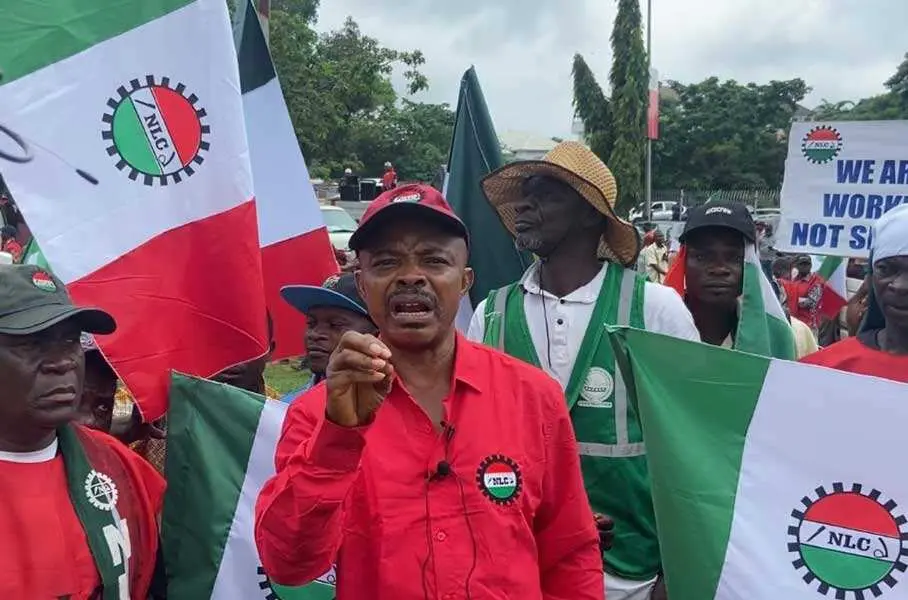
The Nigeria Labour Congress (NLC) has strongly criticized the National Assembly over its exclusion of workers and trade unions in the deliberations surrounding the contentious Tax Bill. The organization emphasized the importance of fairness, inclusivity, and stakeholder engagement in the formulation of tax policies, warning that ignoring these principles could undermine Nigeria’s economic development and social equity.
This sharp critique was outlined in a communiqué issued after the NLC’s National Executive Council (NEC) meeting held in Owerri, Imo State, on December 19, 2024. Alongside tax reforms, the NLC expressed concerns about persistent cash scarcity and escalating insecurity, highlighting their profound impact on Nigerian workers and citizens.
Demand for Fairness in Taxation
Labour’s Exclusion and the Call for Broader Consultation
The NLC voiced its frustration over the lack of involvement of organized labour in the discussions surrounding the Tax Bill. It likened the exclusion of trade unions to leaving workers “on the menu” rather than “at the table,” underscoring the need for a tax system that considers the perspectives of all stakeholders.
“A tax system that alienates key stakeholders cannot be a tool for economic development,” the NLC declared, calling for an immediate suspension of the bill’s progression until comprehensive consultations are held.
Concerns Over the Proposed Tax Reforms
While details of the Tax Bill remain under wraps, the NLC expressed fears that the proposed changes may disproportionately burden low-income earners. With many Nigerians already grappling with economic hardships, any additional tax burden could exacerbate inequality and stifle the informal economy, which employs a significant portion of the workforce.
The NLC urged policymakers to focus on progressive taxation mechanisms, such as higher taxes for wealthy individuals and multinational corporations, rather than increasing levies on ordinary citizens.
Cash Scarcity and Economic Hardship
The 5% Cash Withdrawal Charge
The NLC condemned the continued cash scarcity and the Central Bank of Nigeria’s (CBN) imposition of a 5% charge on cash withdrawals. It described this levy as an “exploitative tax on survival” that disproportionately affects small businesses, informal sector workers, and low-income earners who rely heavily on cash transactions.
“This situation disproportionately affects the poor and struggling masses,” the communiqué stated, adding that the cash shortage has further strained an already fragile economy.
Impact on Small Businesses and the Informal Economy
The cash scarcity has reportedly forced many small businesses to close or scale down operations. Informal sector operators, who account for about 60% of Nigeria’s economy, have been hit hardest, with limited access to digital payment systems exacerbating their challenges.
The NLC called on the CBN to address the liquidity crisis urgently and ensure that policies are designed to protect the financial rights of citizens while promoting economic stability.
Alarming Levels of Insecurity
Devastating Statistics
The NLC painted a grim picture of Nigeria’s security situation, citing staggering figures:
- N2.23 trillion paid in ransoms.
- 614,937 lives lost.
- Over two million kidnappings recorded in a single year.
Describing the insecurity crisis as a “national disgrace,” the Congress emphasized that many victims are workers who contribute significantly to Nigeria’s economy.
Impact on Workers and the Economy
Insecurity has severely disrupted economic activities, particularly in agriculture and manufacturing, where workers often face the highest risks. Farmers, for instance, have abandoned fields due to the threat of banditry, leading to reduced agricultural output and rising food prices.
The NLC demanded that the government implement comprehensive measures to address the root causes of insecurity, including poverty, unemployment, and weak law enforcement.
Broader Implications and Recommendations
Equitable Tax Policies for Sustainable Development
The NLC’s critique of the Tax Bill highlights the broader debate over fiscal policies in Nigeria. As the government seeks to boost revenue, it must strike a balance between raising funds and protecting the welfare of its citizens.
The Congress proposed the following measures:
- Progressive Taxation: Tax policies should prioritize equity by imposing higher taxes on luxury goods, wealth, and profits from large corporations.
- Stakeholder Engagement: The government must consult with trade unions, civil society, and business representatives to ensure that tax reforms are inclusive and fair.
- Transparency and Accountability: Tax revenue must be used efficiently, with clear reporting on its allocation to critical sectors such as healthcare, education, and infrastructure.
Addressing Cash Scarcity
The cash crisis has revealed deeper issues within Nigeria’s monetary policy and banking system. To address these challenges, the NLC recommended:
- Improved Cash Circulation: The CBN should ensure adequate cash supply to meet the needs of businesses and individuals.
- Digital Payment Infrastructure: Investment in accessible and reliable digital payment systems is crucial for reducing dependence on cash and fostering financial inclusion.
- Reduction of Transaction Charges: Lowering fees for cash withdrawals and digital payments would alleviate the financial burden on low-income earners.
Tackling Insecurity
The NLC emphasized that economic recovery is impossible without security. It called for:
- Increased Funding for Security Agencies: Adequate resources must be allocated to improve training, equipment, and intelligence capabilities.
- Community Policing: Engaging local communities in security efforts can help address the root causes of crime and build trust between citizens and law enforcement.
- Job Creation and Social Programs: Addressing unemployment and poverty is essential for reducing crime rates and fostering social stability.
Unified Call for Action
The communiqué, jointly signed by NLC President Comrade Joe Ajaero and General Secretary Comrade Emmanuel Ugboaja, encapsulates the Congress’s urgent demands for the Nigerian government to prioritize equitable policies, fiscal discipline, and security.
“The survival and prosperity of Nigeria depend on equitable policies, fiscal discipline, and security for all citizens,” the NLC concluded, signaling its readiness to engage in dialogue and action to protect the interests of Nigerian workers and the broader populace.
As the nation grapples with these critical issues, the NLC’s call for inclusivity and accountability serves as a reminder of the importance of a unified approach to governance and economic development. By addressing the concerns of workers and vulnerable groups, Nigeria can lay the foundation for a more equitable and prosperous future.
Ready to take your career to the next level? Join our dynamic courses: ACCA, HESI A2, ATI TEAS 7 , HESI EXIT and NCLEX – RN !🌟 Dive into a world of opportunities and empower yourself for success. Explore more at Serrari Ed and start your exciting journey today! ✨
photo source: Google
By: Montel Kamau
Serrari Financial Analyst
20th December, 2024