















Asian Development Bank and Acwa Power have secured a $116 million financing package for the 300-megawatt Bash 2 wind project in Uzbekistan’s Bukhara region. The project will expand the country’s renewable energy capacity, strengthen grid stability, and support broader decarbonization goals. The financing structure also highlights the growing role of blended finance and public-private partnerships in scaling renewable infrastructure across emerging markets.
Key Overview
- ADB and Acwa secure $116M financing package
- Funding supports 300-MW Bash 2 wind project
- Project located in Uzbekistan’s Bukhara region
- Financing combines multilateral and private capital
- Bash 2 extends existing Bash wind programme
- Project expected to create 800 construction jobs
- ADB-backed renewable capacity in Uzbekistan exceeds 2 GW
ADB and Acwa Expand Uzbekistan’s Wind Energy Programme
Asian Development Bank and Acwa Power have signed a $116 million financing agreement to support the development of the 300-megawatt Bash 2 wind power project in Uzbekistan’s Bukhara region. The project forms part of Uzbekistan’s broader efforts to accelerate renewable energy deployment, diversify its electricity mix, and reduce long-term dependence on conventional fossil-fuel-based power generation.
The financing package will support the development, construction, operation, and eventual transfer of the wind facility, which is expected to strengthen the country’s clean energy capacity while supporting broader decarbonization and energy transition objectives. As electricity demand continues to rise across Uzbekistan, expanding renewable generation capacity has become increasingly important for improving energy security and reducing pressure on conventional power infrastructure.
The agreement also reflects growing international investment interest in Central Asia’s renewable energy sector as countries across the region pursue energy diversification strategies and seek to attract climate-focused infrastructure financing. Multilateral development institutions and private investors have increasingly viewed the region as an emerging market for large-scale renewable energy development, particularly in wind and solar power.
The Bash 2 project is being developed as an extension of the earlier Bash Wind Power Project, which was co-financed by ADB in 2023. Once completed, the expansion is expected to contribute to improved grid stability, lower carbon emissions, and broader energy system resilience within Uzbekistan. The project also reinforces Uzbekistan’s ongoing push to modernize its electricity sector and expand the role of renewables within the national energy mix.
Markets move fast; don’t get left behind. We’ve paired the Serrari Group Market Index with a curated Marketplace and a comprehensive Wealth Builder Course to ensure you have the data—and the skills—to act on it.
Blended Financing Structure Supports the Project
The $116 million financing package combines funding from multiple international financial institutions and private-sector lenders, highlighting the growing role of blended finance in supporting large-scale renewable energy projects across emerging markets. Such financing structures are increasingly being used to mobilize private investment into projects that may otherwise face challenges related to scale, risk, or long-term capital requirements.
The structure includes $50 million from ADB’s ordinary capital resources, $41 million mobilized from commercial lenders with ADB acting as mandated lead arranger and bookrunner, and an additional $25 million from the Leading Asia’s Private Infrastructure Fund 2 (LEAP 2). The involvement of multiple financing sources helps distribute project risk while improving access to long-term funding for infrastructure development.
ADB is also serving as environmental and social coordinator for additional parallel lenders, including Asian Infrastructure Investment Bank and Standard Chartered. This coordination role is intended to ensure that the project meets environmental, social, and governance standards while maintaining alignment among participating institutions.
The financing model reflects how multilateral development banks are increasingly being used to mobilize private capital into climate-related infrastructure projects by reducing investment risk, improving project bankability, and supporting coordination between lenders. Such blended financing approaches have become increasingly important for scaling renewable infrastructure in developing and emerging economies where access to affordable long-term capital can remain limited.
The transaction also demonstrates how public-private partnerships are playing a larger role in accelerating the clean energy transition. By combining development finance with commercial capital, projects such as Bash 2 can move forward at a larger scale while attracting broader institutional participation in renewable infrastructure investment.
Bash 2 Expands Existing Wind Energy Infrastructure
The Bash 2 facility is being developed as an extension of Uzbekistan’s existing Bash Wind Power Project and will significantly expand renewable electricity generation capacity in the country. The expansion forms part of a wider strategy to strengthen clean energy infrastructure and support long-term modernization of Uzbekistan’s power sector.
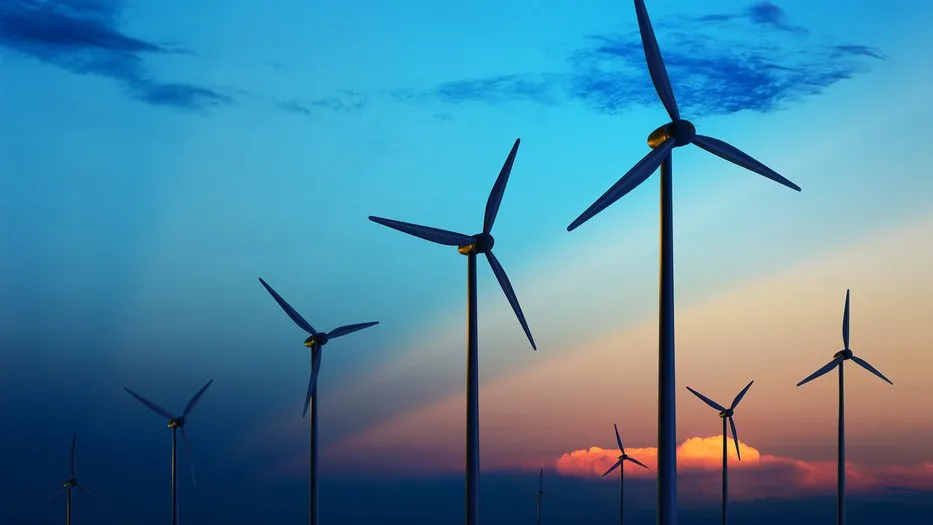
The project will include 39 wind turbine generators, each with a nameplate capacity of up to 8 megawatts. In addition to the turbines, the development will feature a new 35/500-kilovolt substation and approximately 1.5 kilometers of overhead transmission line connecting the facility to Uzbekistan’s national electricity grid. These supporting infrastructure components are critical for ensuring reliable transmission and efficient integration of renewable power into the broader electricity system.
The additional infrastructure is expected to help improve transmission efficiency and support broader efforts to modernize and stabilize the national power system as renewable energy penetration continues to increase. Grid modernization has become an increasingly important component of renewable energy expansion, particularly as countries integrate larger volumes of variable wind and solar generation into existing electricity networks.
ADB noted that, alongside other wind and solar projects financed in Uzbekistan, the Bash 2 project will lift ADB-supported renewable capacity in the country beyond 2 gigawatts. This milestone reflects the scale of renewable energy investment currently underway in Uzbekistan and highlights the country’s growing role as a renewable energy development hub within Central Asia.
Supporting Energy Security and Climate Goals
According to Asian Development Bank officials, the Bash 2 project forms part of a broader integrated approach aimed at improving resilience across energy systems, infrastructure, and communities in Uzbekistan. The bank said the project would help strengthen grid stability, reduce carbon emissions, and improve the country’s long-term energy security as renewable energy capacity continues to expand.
ADB officials also emphasized that large-scale renewable infrastructure projects are becoming increasingly important for supporting both economic growth and climate resilience in emerging markets. Expanding domestic renewable generation capacity can help reduce dependence on conventional fuels while improving the reliability and sustainability of electricity supply over the long term.
ADB Private Sector Operations Department Director General Isabel Chatterton said the Bash 2 Wind Power Project demonstrates how long-term partnerships can translate climate goals into large-scale infrastructure development while helping mobilize private investment into clean energy projects. She also noted that ADB’s broader approach in Uzbekistan is focused on strengthening resilience across interconnected areas such as energy systems, ecosystems, and communities.
Uzbekistan has been accelerating renewable energy deployment as part of wider plans to diversify its energy mix, reduce emissions intensity, and meet rising electricity demand driven by economic and population growth. Wind and solar projects have increasingly become central to the country’s energy transition strategy, particularly as policymakers seek to modernize the national power system and improve long-term energy sustainability.
The Bash 2 project also contributes to broader regional efforts to expand renewable infrastructure across Central Asia, where countries are increasingly pursuing low-carbon energy investments while seeking greater energy independence and system resilience.
Context is everything. While you follow today’s updates, use the Serrari Group Market Index and Marketplace to spot emerging shifts. Need to sharpen your edge? Our Wealth Builder Course turns these insights into a professional-grade strategy.
Job Creation and Inclusion Measures
Beyond renewable energy generation, the project is also expected to contribute to local economic development through employment creation and workforce inclusion initiatives. According to project estimates, Bash 2 is expected to create at least 800 jobs during the construction phase and approximately 25 permanent operational positions once the facility becomes operational.
The construction phase is likely to generate demand across multiple areas including engineering, logistics, civil works, grid connection infrastructure, and technical services. Such projects can provide economic benefits for local communities while also supporting the development of specialized skills within the renewable energy sector.
The project will also include awareness and inclusion measures aimed at encouraging greater participation of women and girls in the renewable energy workforce. These initiatives include technical study tours and exposure programmes focused on wind energy facilities for female students and graduates, helping improve access to educational and professional opportunities within the clean energy industry.
Such programmes reflect a growing focus among multilateral development institutions on integrating social inclusion, workforce development, and gender participation into infrastructure and climate financing projects. Beyond expanding renewable generation capacity, many development-financed projects are increasingly being designed to deliver broader economic and social benefits alongside environmental outcomes.
Acwa Expands Renewable Presence in Uzbekistan
Acwa Power described the Bash 2 project as another important step in its expanding partnership with Uzbekistan and its broader role in supporting the country’s energy transition ambitions. The company emphasized the role of public-private partnerships in mobilizing investment efficiently while delivering reliable and cost-competitive clean power at scale.
Acwa has become one of the most active renewable energy investors in Uzbekistan, with ADB previously financing several of its projects in the country. These include the 500-megawatt Bash and Dzhankeldy wind projects, the Nukus 2 wind and battery energy storage project, as well as the Samarkand solar and battery storage developments.
The company’s growing presence reflects increasing international interest in Uzbekistan’s renewable energy market as the country continues opening its energy sector to private and foreign investment. Large-scale wind and solar developments are becoming increasingly important for meeting rising electricity demand while reducing emissions and strengthening energy security.
Acwa currently operates across 15 countries and has expanded its global portfolio across renewable energy, desalination, and green hydrogen projects. The company has increasingly positioned itself as a major international developer of clean energy infrastructure, particularly in emerging markets undergoing rapid energy transition and infrastructure expansion.
Outlook
The Bash 2 financing agreement highlights the growing momentum behind renewable energy investment in Central Asia as countries seek to modernize energy systems, improve energy security, and reduce emissions. The project also demonstrates how blended finance structures involving multilateral institutions and private investors are becoming increasingly important for scaling large renewable infrastructure projects in emerging markets.
For Uzbekistan, continued expansion of wind and solar capacity is likely to remain central to broader energy transition and economic development strategies. Projects such as Bash 2 could help strengthen grid resilience, diversify power generation sources, and support rising electricity demand over the long term.
Looking ahead, continued cooperation between ADB, Acwa, and international financial institutions may play an important role in accelerating renewable energy deployment across the region while attracting additional private-sector investment into climate-related infrastructure projects.
Your financial future isn’t something you wait for—it’s something you build.
The real question is: when do you begin?
Move beyond simply staying informed.
Navigate the markets with clarity—track trends through the Serrari Group Market Index, uncover opportunities in the Serrari Marketplace, and build practical knowledge with our Curated Wealth Builder Course.
Stay connected to what truly matters.
Get daily insights on macro trends and financial movements across Kenya, Africa, and global markets—delivered through the Serrari Newsletter.
Growth opens doors.
Advance your career through professional programs including ACCA, HESI A2, ATI TEAS 7 , HESI EXIT , NCLEX – RN and NCLEX – PN, Financial Literacy!🌟—designed to move you forward with confidence.
See where money is flowing—clearly and in real time.
Track Money Market Funds, Treasury Bills, Treasury Bonds, Green Bonds, and Fixed Deposits, alongside global and African indexes, key economic indicators, and the evolving Crypto and stablecoin landscape—all within Serrari’s Market Index.