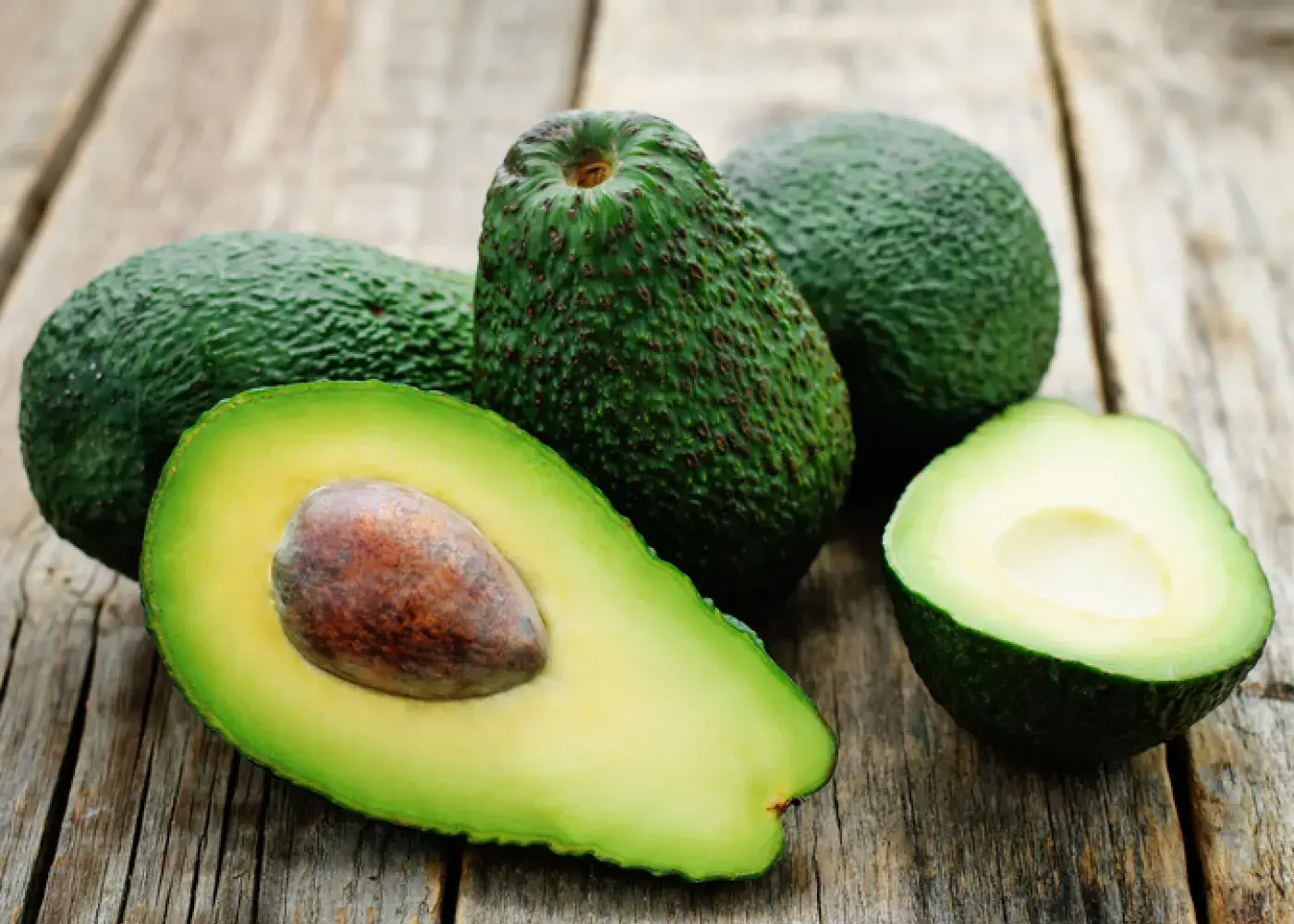
Kenya is hosting the sixth edition of Avocado Africa 2026, a four-day international summit running from May 26 to 29 at the Sarit Expo Centre in Nairobi. Organised by the Avocado Society of Kenya, the congress brings together farmers, exporters, investors, policymakers and agribusiness leaders from across Africa, Europe, Asia, the Middle East and the Americas. The event arrives at a pivotal moment for Kenya’s avocado industry, with the USDA forecasting a 7.4 per cent rise in exports to 130,000 metric tonnes in 2026, production expected to climb to 727,000 tonnes, and export revenues projected to reach KES 25.4 billion (US$170 million). Meanwhile, stricter quality controls, expanded access to Asian markets and growing investment in cold-chain infrastructure and value-added processing are reshaping the sector.
Key Overview
- Event: 6th International Avocado, Fruit and Vegetable Congress Africa 2026
- Dates: May 26–29, 2026
- Venue: Sarit Expo Centre, Nairobi, Kenya
- Organiser: Avocado Society of Kenya
- Theme: Innovation, efficiency and sustainability
- 2026 export forecast: 130,000 metric tonnes (7.4% growth), per USDA
- 2026 production forecast: 727,000 metric tonnes (4.8% growth)
- Projected export revenue: KES 25.4 billion (~US$170 million)
- Key markets: EU (Netherlands leads), Middle East (UAE), China, India, Turkey
Kenya is this week playing host to the sixth International Avocado Africa Congress, the continent’s largest gathering dedicated to the avocado and fresh produce value chain. The four-day summit, themed “Innovation, efficiency and sustainability,” opened on 26 May at the Sarit Expo Centre in Nairobi and runs through 29 May, drawing farmers, exporters, investors, policymakers, researchers and agribusiness leaders from across Africa, Europe, Asia, the Middle East and the Americas.
The congress, organised by the Avocado Society of Kenya in collaboration with regional and international organisations, features high-level conferences, technical workshops, panel discussions and business-to-business networking sessions. Topics span trade expansion, sustainable production, value addition, financing and access to international markets — themes that carry particular urgency as Kenya cements its status as Africa’s leading avocado exporter in a rapidly shifting global market.
“Avocado Africa 2026 is more than an exhibition. It is a gateway for trade, innovation and investment across the avocado value chain because Africa has a unique opportunity to strengthen its position as a global supplier of high-quality fresh produce,” said Avocado Society of Kenya CEO Ernest Muthomi.
A Sector in Record Territory
The summit arrives on the back of extraordinary growth in Kenya’s avocado sector. The country’s 2025 production volume reached an estimated 694,000 metric tonnes, the highest level on record, according to the USDA’s Foreign Agricultural Service office in Nairobi. That figure represented a substantial upward revision from the previous estimate of 585,000 tonnes, driven by continued expansion of harvested area and improved orchard productivity.
Looking ahead, the USDA forecasts 2026 production to expand by a further 4.8 per cent to approximately 727,000 metric tonnes, while exports are projected to grow by 7.4 per cent to 130,000 tonnes. In revenue terms, the industry is expected to generate KES 25.4 billion, or roughly US$170 million, in export earnings in 2026, supported by expanded market access in Asia and a shift toward high oil-content Hass varieties that command premium prices internationally.
Avocado oil processing has also emerged as a significant growth area. Between 2024 and 2025, oil processing volumes surged from 3,326 tonnes to 10,188 tonnes, driven by rising demand in high-income markets. Some companies are now refining avocado oil for pharmaceutical and cosmetic applications, with oil prices reaching up to four times the value of fresh fruit, and the government is offering tax incentives to companies establishing processing facilities in Special Economic Zones.
Context is everything. Stay ahead of shifting trends with today’s market updates, and uncover emerging opportunities using the Serrari Group Market Index and Marketplace. Then, take control of your own financial future by exploring our Money & Life Reset Transformation Blueprint ™ to build stronger habits, create better systems, and design a path toward lasting wealth.
Quality Controls After a Turbulent Season
The growth trajectory has not been without disruption. Kenya’s 2025 export season was temporarily suspended after concerns about immature fruit reaching international buyers raised quality alarms. As a result, 2025 exports dipped to an estimated 121,000 tonnes, representing a 23.4 per cent year-on-year decline.
The Agriculture and Food Authority responded by reopening the 2025/2026 export season on 2 April 2026 after a field survey confirmed improved fruit maturity across major production zones. The regulator has since introduced significantly tighter enforcement measures, including mandatory packhouse inspections for all fresh export produce, a requirement for exporters to submit lists of registered suppliers, and traceability systems linking shipments to their origin and harvest timing. Open trucks and pick-ups are no longer permitted for transporting fruit, and exporters or agents found harvesting immature avocados face licence revocation.
At Jomo Kenyatta International Airport’s cargo terminal, inspectors from the Horticultural Crops Directorate are now verifying oil content and rejecting consignments that do not meet maturity thresholds. For fresh exports, avocados must meet dry matter content requirements of 20 to 24 per cent depending on variety. Despite the stricter environment, early-season prices are reportedly better than 2025, with exporters citing tight supply, strong Middle Eastern and Chinese demand and improved fruit quality as contributing factors.
Expanding Into Asian Markets
A key theme at Avocado Africa 2026 is market diversification, and nowhere is this more relevant than in Asia. Kenya became the first African country to export fresh avocados to China in August 2022, following years of negotiations and regulatory clearance from Beijing. The Chinese market opened up Kenya’s fresh produce to a consumer base of over 1.4 billion people, and while trade volumes have fluctuated year on year, industry leaders say 2026 marks the year that the Chinese market has scaled meaningfully for Kenyan exporters.
India represents the next frontier. New trade agreements have removed significant tariff barriers, allowing Kenyan exporters to access the subcontinent’s growing middle class. Meanwhile, a Kenya-China trade agreement that took effect on 1 May 2026 allows duty-free exports of agricultural products, further strengthening Kenya’s competitive position against Latin American rivals like Peru and Chile, which face higher freight costs to Asian destinations.
The European Union remains Kenya’s largest buyer, with the Netherlands alone accounting for 24 per cent of total export volume in 2025, followed by the UAE at 19 per cent, and Spain and France at 11 per cent each. Turkey and Germany each accounted for 5 per cent. Emerging markets such as China and Iraq saw export volumes increase by 137 and 78 per cent respectively in 2025, alongside growth in India, Italy and Oman.
To support the push into more distant markets, exporters are investing heavily in cold-chain infrastructure, with new packhouses opening in Murang’a and Kiambu counties to ensure fruit arrives in Asian markets in peak condition.
Smallholder Opportunity and Sector Challenges
Organisers say the congress will provide smallholder farmers and local exporters with a rare opportunity to connect directly with international buyers and investors. This is particularly significant given that Kenya’s avocado sector is largely driven by small-scale growers, with the area under cultivation expanding at a compound annual growth rate of about 6 per cent since 2020, supported by government subsidies for seedlings and fertilisers.
“The avocado industry continues to create jobs and improve livelihoods for thousands of farmers across Kenya and the continent. This conference will help unlock more opportunities for growth and investment,” Muthomi said.
However, the industry faces headwinds. Climate change-driven erratic rainfall patterns are affecting fruit sizing, a critical factor for the export market, while logistical disruptions tied to Red Sea shipping and broader geopolitical tensions continue to weigh on the sector. Competition is also intensifying regionally, with South Africa expected to boost its avocado exports by 15.8 per cent to 88,000 tonnes in 2026.
With the congress under way in Nairobi this week, the Kenyan avocado sector stands at a crossroads between record production potential and the need for sustained quality, infrastructure investment and market diversification to capitalise on surging global demand.
Sources: Sacco Review / Avobook / USDA Foreign Agricultural Service / Daily Nation / Fruitnet / FreshFruitPortal / Ecofin Agency / Dawan Africa / Food Business MEA / Streamline Feed / FreshPlaza / Capital FM / Floriculture Kenya / Business Daily Africa
Your financial future isn’t something you wait for—it’s something you build.
The real question is: when do you begin?
Move beyond simply staying informed.
Navigate the markets with clarity—track trends through the Serrari Group Market Index, uncover opportunities in the Serrari Marketplace, and build practical knowledge with our Curated Wealth Builder Platform.
Stay connected to what truly matters.
Get daily insights on macro trends and financial movements across Kenya, Africa, and global markets—delivered through the Serrari Newsletter.
Growth opens doors.
Advance your career through professional programs including ACCA, HESI A2, ATI TEAS 7 , HESI EXIT , NCLEX – RN and NCLEX – PN, Financial Literacy!🌟—designed to move you forward with confidence.
See where money is flowing—clearly and in real time.
Track Money Market Funds, Treasury Bills, Treasury Bonds, Green Bonds, and Fixed Deposits, alongside global and African indexes, key economic indicators, and the evolving Crypto and stablecoin landscape—all within Serrari’s Market Index.