













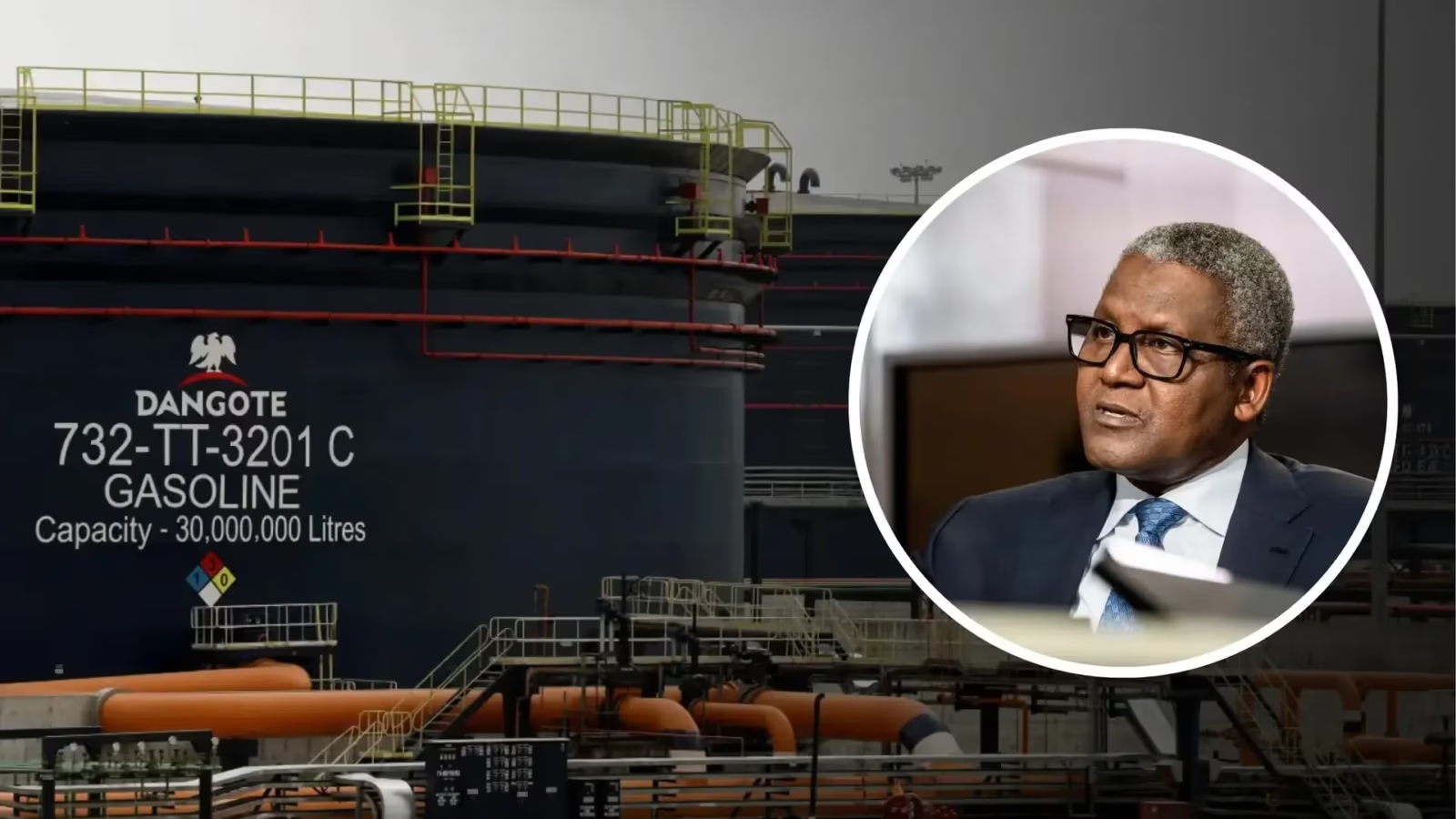
The Dangote Petroleum Refinery and Petrochemicals FZE is preparing to go public in what is expected to become the largest initial public offering in African capital market history. Valued at between $40 billion and $50 billion by analysts, the listing will offer approximately 10% of the refinery’s equity to retail investors, institutional funds, and pension managers across multiple African stock exchanges. The IPO is anchored by a unprecedented dividend structure that allows investors to purchase shares in Nigerian naira but receive returns in US dollars, backed by an estimated $6.4 billion in annual petrochemical export revenues. With the prospectus already submitted for regulatory review and a subscription window expected to open by August 2026, the Dangote Refinery IPO is poised to fundamentally alter the scale and ambition of African equity markets.
Key Overview
- Estimated Valuation: $40 billion to $50 billion
- Stake on Offer: 5% to 10% of refinery equity
- Implied Deal Size: Up to $5 billion
- Primary Listing: Nigerian Exchange (NGX)
- Additional Exchanges Under Discussion: Johannesburg Stock Exchange, Nairobi Securities Exchange, Ghana Stock Exchange, BRVM
- London Dual Listing: Under consideration
- Dividend Currency: US dollars (pending SEC Nigeria approval)
- IPO Advisers: Stanbic IBTC Capital, Vetiva Capital Management, FirstCap
- NNPC Stake: 7.25%
- Subscription Window: Expected August 2026
- Refinery Capacity: 650,000 barrels per day (current); 1.4 million bpd (planned expansion)
Markets move fast; don’t get left behind. We’ve paired the Serrari Group Market Index with a curated Marketplace and a comprehensive Wealth Builder Platform to ensure you have the data—and the skills—to act on it.
The Scale of the Offering
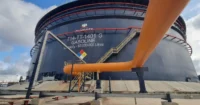
The Dangote Refinery IPO is not a routine stock market event. It represents the first time that Africa’s most valuable private infrastructure asset will become available for public ownership. The refinery, located in the Lekki Free Trade Zone near Lagos, was commissioned in May 2023 after nearly a decade of construction and an investment of approximately $20 billion. By February 2026, the facility had reached its full processing capacity of 650,000 barrels of crude oil per day, making it the world’s largest single-train refinery and Africa’s biggest refining complex.
Earlier valuations published in late 2025 placed the refinery’s worth at between $20 billion and $25 billion. That figure has since nearly doubled to $40–$50 billion, reflecting stronger-than-expected operational performance and rising global demand for the refinery’s output. Group revenues across Dangote’s businesses have grown from $3.3 billion to $18 billion over the past five years, while EBITDA rose from $1.8 billion to $2.8 billion during the same period.
To put the IPO in context, the MTN Nigeria listing in 2019 raised approximately $876 million, which was at the time the largest on the Nigerian Exchange. The Dangote Refinery IPO is targeting up to $5 billion — roughly five to six times that size. On a continental scale, market observers have drawn comparisons to Saudi Aramco’s landmark 2019 listing, as both transactions bring a dominant energy infrastructure asset to public markets for the first time.
How the Business Generates Revenue
The refinery is not a single-product operation. It processes crude oil into diesel, aviation fuel, and petrol, with refined products currently exported to Ghana, Cameroon, Togo, and Tanzania as well as international markets, including Europe. The facility currently supplies over 90% of Nigeria’s petrol demand and has exported 456,000 tonnes of refined fuel to five African countries.
Beyond fuels, the refinery produces petrochemical outputs including polypropylene, which is widely used in plastics manufacturing, industrial packaging, and component fabrication. The petrochemicals division represents a major standalone revenue stream and is specifically what underpins the refinery’s dollar dividend commitment. Jet fuel exports alone surged by 770% between 2024 and 2026, with Europe receiving roughly 70,000 barrels per day to offset supply disruptions linked to tensions in the Middle East.
The refinery is supported by a pipeline network stretching approximately 1,100 kilometres, one of the largest of its kind globally, connecting crude supply lines to processing and distribution infrastructure.
The Dollar Dividend Structure
Perhaps the most distinctive feature of this IPO is the proposed dividend arrangement. Investors will purchase shares in naira but receive dividends in US dollars. Aliko Dangote confirmed this at an event at Eko Hotel in Lagos in December 2025, stating that the dollar-denominated payouts would be supported by $6.4 billion in projected revenue from petrochemical exports, particularly polypropylene and fertiliser.
This structure is unprecedented on the Nigerian Exchange. For Nigerian investors who have experienced significant naira depreciation in recent years, the ability to earn hard currency returns from a naira-denominated investment functions as a genuine hedge against currency volatility. Industry analysts have noted that the dollar dividend proposal could set a precedent for other Nigerian companies seeking to attract investment amid persistent currency weakness.
The Securities and Exchange Commission of Nigeria and the Federal Ministry of Finance are currently reviewing the regulatory framework needed to authorise this dividend arrangement. Final approval remains pending.
Pan-African Listing Strategy
What began as a plan to list 5% of the refinery on the Nigerian Exchange has evolved into an ambitious multi-exchange offering spanning the continent. The Dangote Group now intends to list across multiple African bourses including Lagos, Johannesburg, Nairobi, Accra, and regional West African markets.
Frank Mwiti, CEO of the Nairobi Securities Exchange, confirmed that he met with Dangote at his refinery and fertiliser plant in Lagos to discuss how African exchanges could support the offering. A London dual listing is also under consideration, which would open the offer to European institutional capital.
The multi-exchange structure aligns with broader efforts under the African Continental Free Trade Area, which seeks to integrate capital flows across 55 countries representing more than 1.4 billion people and roughly $3 trillion in GDP. Market participants say the refinery listing could accelerate convergence between African exchanges by forcing alignment on listing standards, clearing systems, and cross-border settlement frameworks.
Lagos-based capital markets expert Oyinkansola Aregbesola has noted that a multi-exchange structure distributes the weight of an offering across multiple investor pools, making a transaction of this scale more manageable while the dollar dividend feature addresses currency concerns that would otherwise limit foreign appetite.
Context is everything. While you follow today’s updates, use the Serrari Group Market Index and Marketplace to spot emerging shifts. Need to sharpen your edge? Our Wealth Builder Platform turns these insights into a professional-grade strategy.
IPO Timeline and Advisers
The Dangote Group has appointed a consortium of three financial advisers to manage the offering. Stanbic IBTC Capital, operating under the Standard Bank umbrella, will handle the international book-building process and lead engagement with foreign portfolio investors. Vetiva Capital Management, which has advised on previous Dangote listings, will manage retail investor distribution within Nigeria. FirstCap will focus on placements with Nigerian institutional investors, particularly pension funds.
According to the timeline outlined by the group, the prospectus was submitted to the SEC in April 2026, followed by a national investor roadshow and the launch of the subscription expected in May, with a formal listing on the NGX main board targeted for between June and July 2026. Some analyst projections now place the subscription window opening in August 2026.
Dangote first publicly confirmed the IPO timeline on 21 February 2026, during a tour of the facility by NNPC Group Chief Executive Bayo Ojulari, stating that Nigerians would be able to buy shares within four to five months.
The Broader Vision 2030 Strategy
The refinery IPO is one component of a much larger capital markets expansion. Dangote has described this period as part of his Vision 2030 programme, which targets $100 billion in annual revenue for the group. The IPO proceeds are earmarked for an expansion phase that includes more than doubling the refinery’s capacity from 650,000 to 1.4 million barrels per day, quadrupling fertiliser production, and establishing potash and phosphate plants in the Democratic Republic of Congo alongside copper refining projects in Zambia.
Separately, Dangote is preparing a London listing for Dangote Cement targeting September 2026, with JPMorgan Chase, Citigroup, and Standard Bank appointed as advisers. Approximately 10% of the cement company’s shares would be sold to outside investors through the London exchange. Dangote Cement reported a net profit of $732 million for the 2025 financial year, representing a 102% increase year on year, and its stock has gained more than 70% on the NGX in 2026.
A separate offering for Dangote Industries’ fertiliser subsidiary is also being prepared. The fertiliser plant, a $2.5 billion urea and ammonia facility, has already made Nigeria a net exporter of urea and was originally planned for listing in Q4 2025. Together, the three transactions would represent the most significant equity market expansion in the group’s history.
Risks and Challenges
No IPO of this magnitude arrives without material risks, and investors should examine them carefully.
Debt burden. The refinery carries $3.65 billion in debt, with plans to repay through operations and asset sales, including stakes in Dangote Cement. If refining margins compress or crude supply faces disruptions, debt servicing could reduce cash available for shareholder dividends.
Macroeconomic headwinds. Nigeria is contending with inflation that has reached 34%, persistent naira depreciation, and broader economic uncertainty. Fitch downgraded Dangote Industries’ credit rating from AA to B+ in 2024, reflecting some of these concerns.
Regulatory uncertainty. The dollar dividend structure remains subject to final approval from the Securities and Exchange Commission and the Federal Ministry of Finance. If the regulatory framework is not finalised before the listing, one of the IPO’s most compelling features could be delayed or modified.
Market absorption. A $40–$50 billion company listing on an exchange with a total capitalisation of around $70 billion is a structural challenge. The NGX must demonstrate that it can absorb an offering of this scale without excessive price volatility during the early trading period.
Crude supply and refining margins. The refinery’s profitability depends on consistent crude supply and favourable spreads between input costs and refined product prices. Geopolitical disruptions, OPEC decisions, or shifts in global energy demand could impact margins.
Cross-border listing complexity. The proposed pan-African listing structure requires harmonised disclosure standards, cross-border settlement frameworks, and FX conversion mechanisms across jurisdictions with different securities laws. Without integrated clearing and settlement systems, simultaneous listings risk creating parallel markets rather than a unified liquidity pool.
What This Means for African Capital Markets
The significance of this IPO extends well beyond the Dangote Group. If both the refinery and fertiliser IPOs proceed as planned, they could lift the NGX’s total market capitalisation above ₦100 trillion, equivalent to roughly $60 billion, restoring Dangote Industries as the exchange’s top equity issuer ahead of rival BUA Group.
The listing is also being viewed as a live stress test of whether African capital markets can function as a coordinated system. For policymakers and exchange operators across the continent, the Dangote transaction has become a proxy for a larger question: whether Africa’s capital markets can scale beyond domestic liquidity pools that remain shallow, unevenly distributed, and heavily reliant on a narrow base of local investors.
Aliko Dangote himself has framed the initiative in pan-African terms. Speaking at an event hosted by the Atlantic Council in Washington, D.C., he stated that the objective is to create sustainable wealth for Africa by ensuring that Africans can invest in and benefit from world-class assets built on the continent.
Dangote’s net worth stood at $35.4 billion on the Bloomberg Billionaires Index in May 2026, an increase of $5.4 billion year to date, making him Africa’s richest person and the only African currently ranked among the world’s 100 wealthiest individuals.
Whether the Dangote Refinery IPO delivers on its transformative promise will depend on regulatory coordination, market readiness, and investor confidence. But the ambition behind it — to build a pan-African equity market around an operating industrial asset — is already reshaping expectations for what African capital markets can achieve.
Your financial future isn’t something you wait for—it’s something you build.
The real question is: when do you begin?
Move beyond simply staying informed.
Navigate the markets with clarity—track trends through the Serrari Group Market Index, uncover opportunities in the Serrari Marketplace, and build practical knowledge with our Curated Wealth Builder Platform.
Stay connected to what truly matters.
Get daily insights on macro trends and financial movements across Kenya, Africa, and global markets—delivered through the Serrari Newsletter.
Growth opens doors.
Advance your career through professional programs including ACCA, HESI A2, ATI TEAS 7 , HESI EXIT , NCLEX – RN and NCLEX – PN, Financial Literacy!🌟—designed to move you forward with confidence.
See where money is flowing—clearly and in real time.
Track Money Market Funds, Treasury Bills, Treasury Bonds, Green Bonds, and Fixed Deposits, alongside global and African indexes, key economic indicators, and the evolving Crypto and stablecoin landscape—all within Serrari’s Market Index.






Comments are closed.