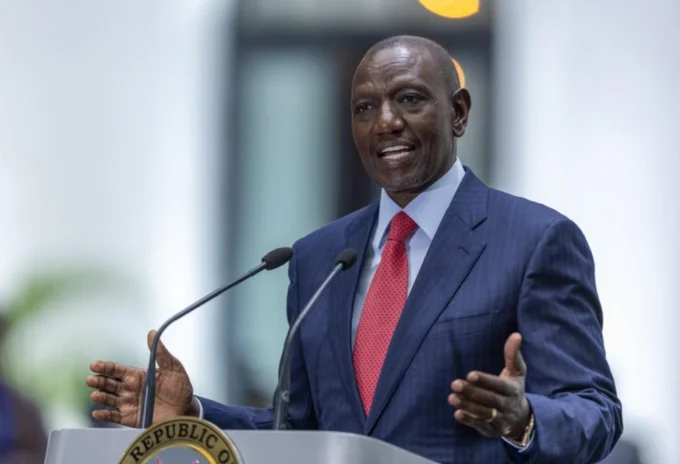
National Treasury Cabinet Secretary (CS) John Mbadi has acknowledged that high taxes on salaries, particularly the Pay-As-You-Earn (PAYE) levy, are one of the primary reasons many Kenyans feel economically strained despite improvements in economic indicators. Speaking at the launch of the 2024 FinAccess Survey, Mbadi pledged to advocate for reforms to alleviate the tax burden on employees as the government’s budget deficit narrows.
Current Tax Burden on Kenyans
Kenya’s PAYE system currently withholds up to 30% of gross earnings for high-income earners, contributing significantly to individual financial pressures. Combined with high bank interest rates and non-payment of pending bills, many Kenyans report financial stagnation. Despite inflation reducing to a 17-year low and an improving Kenyan Shilling against major currencies, disposable income remains constrained for the average citizen.
Mbadi attributed the heavy taxation to a previously massive budget deficit, initially exceeding Ksh 900 billion, necessitating aggressive domestic revenue mobilization. However, measures such as limiting new external debt have reduced the deficit to Ksh 780 billion, with further reductions expected in the next fiscal year. Mbadi noted that as fiscal pressures ease, the Treasury intends to lower PAYE rates to increase employees’ net income.
Economic Reforms and Policy Shifts
The Treasury’s focus has included measures to stabilize the economy and create conditions conducive to equitable financial growth. Notable reforms include:
- Strengthening the Kenyan Shilling through prudent monetary policies.
- Reducing the fiscal deficit, thereby lessening reliance on public borrowing.
- Advocating for lower interest rates by engaging commercial banks in dialogue with the Central Bank of Kenya (CBK).
The CBK recently reduced its base lending rate to 12%, and further cuts are anticipated following upcoming deliberations by the Monetary Policy Committee (MPC). Lower rates aim to increase credit uptake, particularly for small and medium enterprises (SMEs), which drive economic activity but have been priced out of the credit market.
Proposed Tax Reforms and Their Impact
The easing of PAYE rates could significantly boost disposable income for salaried employees, encouraging consumer spending and fostering economic growth. Internationally, several countries are taking similar steps to adapt their tax policies. For instance:
- Alabama, USA: Exempted overtime pay from taxation for full-time employees in 2024 to incentivize productivity while easing worker tax burdens.
- Connecticut, USA: Introduced elective tax options for pass-through entities, which could lower individual income tax liabilities for business owners.
Mbadi’s proposed PAYE reforms align with these global trends, reflecting a growing recognition of the need for progressive tax structures.
Broader Implications of the Proposed Measures
If implemented, reducing the PAYE burden will have far-reaching implications:
- Increased Disposable Income: Lower PAYE will provide employees with more money to spend or save, improving financial security.
- Economic Growth: Increased consumer spending could stimulate various sectors, particularly retail, real estate, and manufacturing.
- Social Equity: Easing the tax burden on lower and middle-income groups addresses income inequality and reduces wealth disparities.
However, these benefits must be balanced with fiscal sustainability. Reducing PAYE revenue without expanding other revenue streams could strain public services and infrastructure funding.
Financial Inclusion Initiatives
The FinAccess Survey highlighted that while Kenya’s financial inclusion rate is among the highest in Sub-Saharan Africa, significant gaps remain in rural and marginalized regions. Enhancing access to affordable credit and tailored financial services, combined with proposed tax reforms, could further bridge these gaps.
The Treasury’s strategy complements broader initiatives such as:
- Strengthening SMEs through reduced borrowing costs.
- Improving public financial literacy to encourage saving and investment.
- Supporting youth and women entrepreneurs through targeted incentives.
Conclusion
Mbadi’s announcement reflects the government’s responsiveness to public concerns and marks a pivotal step toward economic inclusivity. Balancing tax reform with fiscal prudence will be crucial to sustaining the momentum of Kenya’s economic recovery and ensuring equitable prosperity for all.
Ready to take your career to the next level? Join our dynamic courses: ACCA, HESI A2, ATI TEAS 7 , HESI EXIT and NCLEX – RN !🌟 Dive into a world of opportunities and empower yourself for success. Explore more at Serrari Ed and start your exciting journey today! ✨
photo source: Google
By: Montel Kamau
Serrari Financial Analyst
5th December, 2024