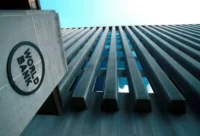















Singapore and the World Bank Group have launched the Singapore Carbon Markets Program, a new initiative designed to help countries develop high-integrity national carbon markets and improve access to climate finance.
The programme will focus on strengthening carbon market infrastructure, improving digital monitoring and verification systems, and supporting countries in building the technical and institutional capacity needed to participate in global carbon trading systems.
The initiative reflects growing international efforts to scale carbon markets as governments seek additional financing mechanisms to support decarbonisation and climate transition goals.
Key Overview
- Singapore and the World Bank Group launched the Singapore Carbon Markets Program
- The initiative supports development of national carbon markets
- The programme focuses on infrastructure, financing, and capacity building
- Digital MRV systems and carbon registries will be developed
- The initiative aims to improve access to climate finance
- Singapore continues positioning itself as a regional carbon market hub
- The programme will support underserved carbon market regions
- Cross-country learning and policy development are included
Singapore and World Bank Launch New Carbon Market Initiative
Singapore’s National Climate Change Secretariat (NCCS) and the World Bank Group have officially launched the Singapore Carbon Markets Program, a new international initiative aimed at helping countries develop and scale high-integrity carbon markets.
According to the organizations, the programme is designed to address major barriers limiting carbon market growth while supporting countries in building the technical systems, institutional frameworks, and digital infrastructure needed to participate effectively in global carbon trading systems.
Officials said the initiative reflects growing recognition that carbon markets may play an increasingly important role in mobilising climate finance and supporting global emissions reduction efforts.
Analysts say many countries continue facing challenges related to carbon market regulation, verification systems, technical expertise, and project financing despite rising international interest in carbon trading.
The new programme therefore aims to strengthen market credibility and improve participation across both emerging and developing economies.
Programme Focuses on Carbon Infrastructure and Technology
One of the central pillars of the programme involves strengthening carbon market infrastructure and digital systems.
Officials said the initiative will develop toolkits designed to help countries build interoperable carbon registries aligned with international standards.
The programme will also support digital monitoring, reporting, and verification (MRV) systems for carbon abatement projects, including newer project categories such as regenerative agriculture.
Analysts say reliable MRV systems are considered essential for ensuring credibility, transparency, and investor confidence within carbon markets.
The absence of strong verification and registry systems has historically been one of the major challenges affecting confidence in voluntary carbon credit markets globally.
By strengthening digital infrastructure and standardization, Singapore and the World Bank aim to improve trust and interoperability across national carbon trading systems.
Officials said the programme will also support the development of interoperable carbon registries capable of connecting with international carbon market frameworks and standards.
Initiative Targets Climate Finance and Carbon Credit Monetisation
A second major component of the programme focuses on facilitating the monetisation of carbon credits and improving market efficiency.
The initiative will pilot new mechanisms designed to aggregate carbon credit demand and supply at both buyer and country levels.
Officials said these approaches are intended to reduce transaction costs, attract additional demand, and lower project risks for developers operating in underserved markets.
Analysts say financing challenges continue limiting the development of many carbon credit projects, particularly in emerging economies where project developers often struggle to access buyers and long-term funding.
The programme may therefore help improve market access for countries seeking to participate more actively in global carbon trading systems.
At the same time, aggregating carbon credit supply and demand could potentially improve pricing transparency and market liquidity.
Analysts note that improving the economics of carbon projects may become increasingly important as countries attempt to scale emissions reduction efforts while attracting international climate investment.
Capacity Building and Policy Support Included
The Singapore Carbon Markets Program will also focus heavily on supporting host countries’ institutional readiness and policy development.
Officials said the initiative will assist governments in developing national carbon market strategies, regulatory policies, and institutions structures.
Cross-country learning and knowledge-sharing initiatives are also expected to form part of the programme.
Analysts say many countries remain at relatively early stages of carbon market development and often require technical support to establish functioning policy frameworks and governance systems.
The programme therefore seeks to combine Singapore’s carbon market expertise with the World Bank’s broader development finance and technical assistance capabilities.
Benedict Chia said the initiative reflects Singapore’s broader commitment to advancing high-integrity carbon markets.
“Singapore is committed to advancing high-integrity carbon markets as a key pillar of both global climate action and sustainable development,” Chia said.
“Our collaboration with the World Bank Group on the Singapore Carbon Markets Programme reflects this commitment,” he added.
Context is everything. While you follow today’s updates, use the Serrari Group Market Index and Marketplace to spot emerging shifts. Need to sharpen your edge? Our Wealth Builder Platform turns these insights into a professional-grade strategy.
Singapore Expands Role as Regional Carbon Hub
The programme also reinforces Singapore’s broader ambition to position itself as one of Asia’s leading carbon market and sustainable finance hubs.
Since implementing its carbon tax in 2019, Singapore has steadily expanded its carbon market ecosystem through regulatory frameworks, international partnerships, and carbon trading initiatives.
The country has already signed carbon credit purchase agreements with multiple host countries and established itself as a founding partner of CAD Trust alongside the World Bank Group and the International Emissions Trading Association.
Singapore has also attracted a growing ecosystem of carbon exchanges, market participants, financial institutions, and climate service providers.
Analysts say this combination of financial infrastructure, regulatory experience, and international partnerships positions Singapore as one of the most advanced carbon market hubs in Asia.
The country’s role in supporting multilateral carbon market development is also expanding as governments increasingly seek international cooperation on climate finance and emissions trading.
World Bank Highlights Climate Finance Access
The World Bank Group said the initiative aligns with its broader efforts to improve access to climate finance for developing countries.
Kristina Svensson said the partnership reflects the organization’s commitment to supporting practical climate finance solutions.
“This partnership reflects our commitment to deliver tangible development outcomes by providing meaningful access to climate finance to the countries that need it most,” Svensson said.
She added that the collaboration strengthens strategic alignment between Singapore and the World Bank on developing high-integrity carbon markets.
Analysts say carbon markets are increasingly being viewed as a potentially important mechanism for directing climate finance toward developing economies while supporting global emissions reduction efforts.
However, experts also note that ensuring environmental integrity, transparency, and fair distribution of benefits remains critical for long-term market credibility.
Global Carbon Market Momentum Continues Growing
The launch of the Singapore Carbon Markets Program comes amid broader global efforts to expand both compliance and voluntary markets.
Governments, financial institutions, and corporations are increasingly exploring carbon credits as part of wider decarbonisation strategies and net-zero commitments.
At the same time, global climate finance needs continue rising rapidly as countries attempt to fund renewable energy deployment, emissions reductions, and climate adaptation projects.
Analysts estimate that trillions of dollars in annual climate investment will be required globally over the coming decades.
Carbon markets are therefore expected to remain an increasingly important component of international climate finance systems.
However, the sector continues facing scrutiny tied to carbon credit quality, verification standards, transparency, and market governance.
The Singapore-World Bank initiative appears designed partly to address those concerns while improving institutional capacity and technical readiness across participating countries.
Outlook
Singapore and the World Bank Group’s new carbon markets programme highlights growing international efforts to strengthen the infrastructure, credibility, and accessibility of global carbon trading systems.
The initiative also reinforces Singapore’s growing position as a regional climate finance and carbon market hub while supporting broader international decarbonisation goals.
For developing economies, the programme could help improve access to climate finance, technical expertise, and institutional support needed to participate effectively in high-integrity carbon markets.
At the same time, the future success of global carbon markets will likely depend on continued improvements in transparency, verification standards, financing access, and international cooperation.
Your financial future isn’t something you wait for—it’s something you build.
The real question is: when do you begin?
Move beyond simply staying informed.
Navigate the markets with clarity—track trends through the Serrari Group Market Index, uncover opportunities in the Serrari Marketplace, and build practical knowledge with our Curated Wealth Builder Platform.
Stay connected to what truly matters.
Get daily insights on macro trends and financial movements across Kenya, Africa, and global markets—delivered through the Serrari Newsletter.
Growth opens doors.
Advance your career through professional programs including ACCA, HESI A2, ATI TEAS 7 , HESI EXIT , NCLEX – RN and NCLEX – PN, Financial Literacy!🌟—designed to move you forward with confidence.
See where money is flowing—clearly and in real time.
Track Money Market Funds, Treasury Bills, Treasury Bonds, Green Bonds, and Fixed Deposits, alongside global and African indexes, key economic indicators, and the evolving Crypto and stablecoin landscape—all within Serrari’s Market Index.
Sources: ESG Today, National Climate Change Secretariat, GOVMEDIA, OneStop ESG, The Business Times, TNGlobal