New South Wales has launched two major energy tenders seeking 2.5GW of renewable energy generation and 12GWh of long-duration battery storage as the state accelerates its transition away from coal-fired electricity.
The tenders form part of NSW’s Electricity Infrastructure Roadmap and are expected to support enough renewable capacity to power approximately 1.26 million homes while strengthening grid reliability through large-scale storage deployment.
The move reflects growing momentum globally toward pairing renewable generation with battery storage infrastructure as governments attempt to improve energy security, reduce emissions, and stabilize electricity systems during the transition away from fossil fuels.
Key Overview
- New South Wales launched Tender 8 and Tender 9 under its Electricity Infrastructure Roadmap
- Tender 8 seeks 2.5GW of renewable energy generation
- Tender 9 targets 12GWh of long-duration energy storage
- Projects could power around 1.26 million homes
- NSW aims to reach 90% of its renewable energy target through Tender 8
- Tender 9 includes large-scale batteries and pumped hydro projects
- Successful projects are expected to be announced by late 2026
- The tenders support Australia’s broader transition away from coal power
NSW Expands Renewable Energy Transition
New South Wales has launched two major renewable energy and storage tenders as the state accelerates efforts to replace ageing coal-fired generation with renewable power and large-scale battery infrastructure.
The tenders, announced under the NSW Electricity Infrastructure Roadmap, seek to allocate 2.5GW of renewable energy generation capacity alongside 12GWh of long-duration energy storage.
The process will be managed by the independent Consumer Trustee, AusEnergy Services Limited (ASL), formerly known as AEMO Services.
Officials said the projects selected through the tenders are expected to provide enough electricity generation capacity to power approximately 1.26 million homes once operational.
The move represents one of the largest renewable energy procurement initiatives launched by the state as Australia continues transitioning toward a renewable-dominated electricity system.
Analysts say the tenders reflect growing urgency among Australian policymakers to secure replacement generation capacity before further coal plant retirements affect electricity reliability and pricing.
Tender 8 Targets 2.5GW of Renewable Energy
Tender 8 focuses on securing 2.5GW of renewable energy generation capacity and has been described by NSW officials as the state’s largest Long-Term Energy Service Agreement (LTESA) tender to date.
The tender is open to renewable energy projects with a minimum capacity of 30MW.
Projects capable of commencing operations before the end of 2029 are expected to receive more favorable consideration during the assessment process.
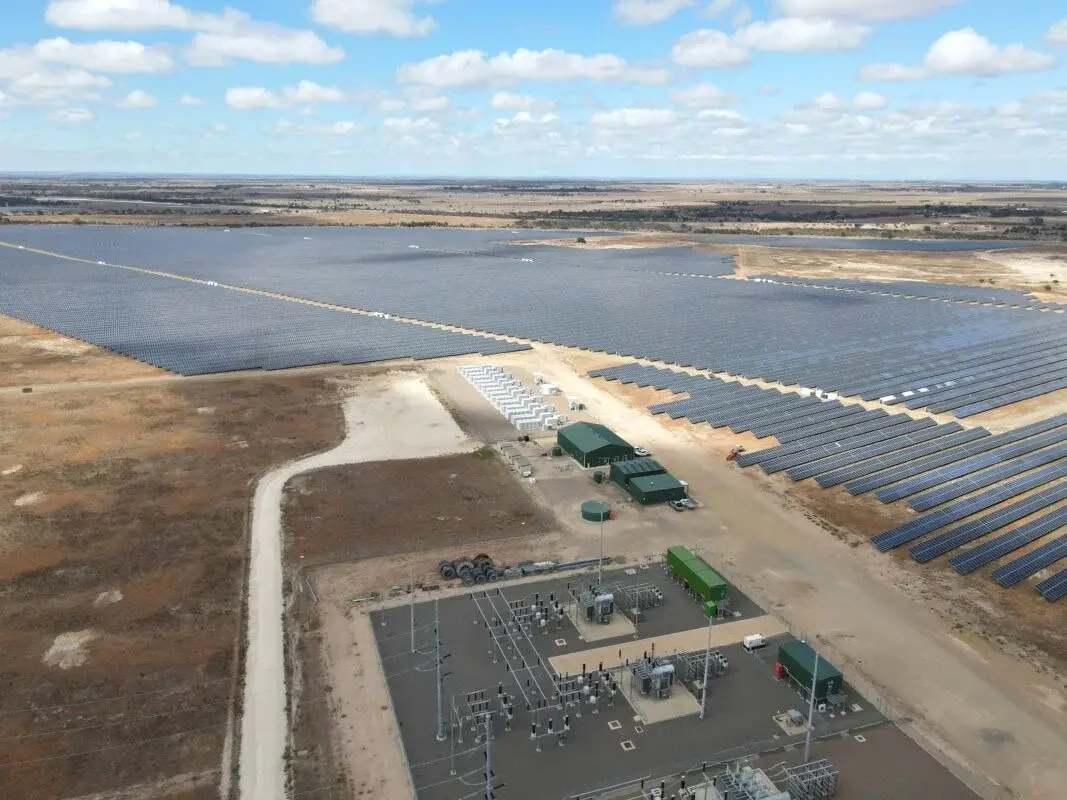
According to ASL, the tender also introduces a new Hybrid Generation LTESA product designed specifically for projects combining solar or wind generation with battery storage systems.
The hybrid structure reflects the growing importance of integrating renewable generation with storage technologies capable of improving reliability and managing fluctuating power supply.
Under the hybrid framework, storage systems must provide a minimum four-hour duration while generation export capacity must equal or exceed storage export capacity.
Analysts say hybrid renewable projects are becoming increasingly attractive because they allow developers to improve renewable energy utilization while supporting electricity system stability.
Tender 9 Focuses on Long-Duration Storage
Alongside renewable generation, NSW also launched Tender 9 targeting up to 12GWh of long-duration energy storage infrastructure.
Eligible technologies include large-scale battery systems and pumped-storage hydropower projects.
Officials said successful projects are expected to provide approximately 1.5GW of storage capacity capable of dispatching electricity for at least eight hours.
Storage projects participating in Tender 9 must have at least 5MW of power capacity and are expected to become operational by either 2030 or 2034 depending on project timelines.
The storage tender forms part of NSW’s broader objective to secure 42GWh of long-duration storage infrastructure by 2034.
Analysts say long-duration storage is becoming increasingly critical as renewable penetration rises because batteries and pumped hydro systems help balance electricity supply during periods of low wind or solar generation.
Context is everything. While you follow today’s updates, use the Serrari Group Market Index and Marketplace to spot emerging shifts. Need to sharpen your edge? Our Wealth Builder Platform turns these insights into a professional-grade strategy.
Government Targets Coal Transition and Grid Reliability
NSW Energy Minister Penny Sharpe said the tenders demonstrate the government’s commitment to maintaining reliability while accelerating the renewable energy transition.
“Tender 8 alone will deliver enough energy to power about one-third of homes in NSW, marking a major step forward in our plan to future-proof NSW’s electricity system,” Sharpe said.
“Tender 9 ensures we can store renewable energy, so it can be released on demand when needed, making our grid more stable and reliable,” she added.
The NSW government has established stretch targets of 16GW of new generation capacity by 2030, exceeding the legislated minimum objective of 12GW.
The state is also targeting 42GWh of long-duration storage by 2034, significantly above the earlier minimum target of 28GWh.
Officials said NSW is already on track to exceed existing long-duration storage targets and is now attempting to unlock 50% more storage capacity beyond current benchmarks.
Analysts say Australia’s energy transition increasingly depends on how rapidly states can replace retiring coal generation with renewable and storage infrastructure without compromising reliability.
Financial Support Designed to Improve Project Viability
Both tenders will operate through a single-stage process allowing successful projects to secure Long-Term Energy Service Agreements.
These agreements are designed to improve project bankability and help developers secure financing and reach final investment decisions.
ASL said the contracts use revenue support mechanisms intended to reduce project risk and improve long-term investment certainty.
Analysts say such support mechanisms are becoming increasingly important as governments attempt to accelerate renewable deployment while managing investment risk linked to volatile electricity markets.
ASL Chief Executive Nevenka Codevelle said the focus is on projects capable of progressing rapidly into construction and operation.
“Our investment priorities are clear, and high-value projects such as wind and solar-hybrids are strongly encouraged to come forth and participate,” Codevelle said.
The tenders also include flexibility allowing NSW to award contracts above or below indicative targets depending on competitiveness and long-term value for consumers.
Renewable and Storage Investment Momentum Continues Rising
The NSW tenders reflect broader global momentum toward renewable energy and battery storage deployment as governments attempt to decarbonise electricity systems while improving energy security.
Battery storage is increasingly viewed as essential infrastructure capable of supporting higher levels of renewable penetration while reducing reliance on fossil fuel peaking plants.
Analysts say hybrid renewable projects combining solar, wind, and storage technologies are likely to become a dominant model for future electricity infrastructure development.
At the same time, Australia remains one of the world’s fastest-growing battery storage markets because of its high renewable energy penetration and coal plant retirement schedule.
However, officials remain under pressure to accelerate project delivery as only a limited number of large renewable projects are currently under construction despite extensive development pipelines.
Outlook
New South Wales’s launch of major renewable energy and storage tenders highlights the accelerating pace of Australia’s transition toward a cleaner and more flexible electricity system.
The initiative also demonstrates the growing importance of pairing renewable generation with long-duration battery storage as governments attempt to maintain reliability while phasing out coal-fired power.
For NSW, the success of Tenders 8 and 9 may prove critical in determining whether the state can meet its renewable energy goals while ensuring affordable and stable electricity supply.
At the same time, the broader expansion of hybrid renewable and storage infrastructure is expected to play an increasingly central role in the next phase of the global energy transition.
Your financial future isn’t something you wait for—it’s something you build.
The real question is: when do you begin?
Move beyond simply staying informed.
Navigate the markets with clarity—track trends through the Serrari Group Market Index, uncover opportunities in the Serrari Marketplace, and build practical knowledge with our Curated Wealth Builder Platform.
Stay connected to what truly matters.
Get daily insights on macro trends and financial movements across Kenya, Africa, and global markets—delivered through the Serrari Newsletter.
Growth opens doors.
Advance your career through professional programs including ACCA, HESI A2, ATI TEAS 7 , HESI EXIT , NCLEX – RN and NCLEX – PN, Financial Literacy!🌟—designed to move you forward with confidence.
See where money is flowing—clearly and in real time.
Track Money Market Funds, Treasury Bills, Treasury Bonds, Green Bonds, and Fixed Deposits, alongside global and African indexes, key economic indicators, and the evolving Crypto and stablecoin landscape—all within Serrari’s Market Index.
Sources: Enerdata, pv magazine, Asian Power, Taiyang News