Nigeria’s economic landscape is once again under the spotlight as the National Bureau of Statistics (NBS) reports a decline in the country’s headline inflation rate to 33.40% in July 2024, down from 34.19% in June 2024. This development marks the first drop in the headline inflation rate since December 2022, when the inflation rate was 21.34%. The NBS report highlights significant changes in inflationary trends, offering a complex picture of Nigeria’s economic trajectory.
Understanding the Numbers: A Closer Look at Inflation Dynamics
The July 2024 inflation rate of 33.40% reflects a 0.8 percentage point decrease from the previous month. On a year-on-year basis, the headline inflation rate rose by 9.32 percentage points compared to July 2023, when it stood at 24.08%. This year-on-year increase indicates that while the monthly inflation rate is beginning to ease, the overall inflationary pressure remains significantly higher than in the previous year.
Month-on-month, the headline inflation rate for July 2024 was 2.28%, slightly lower than the 2.31% recorded in June 2024. This modest reduction on a month-to-month basis suggests that while inflation is beginning to cool, the pace of reduction is slow, indicating persistent underlying inflationary pressures.
Key Drivers of Inflation: What’s Fueling the Numbers?
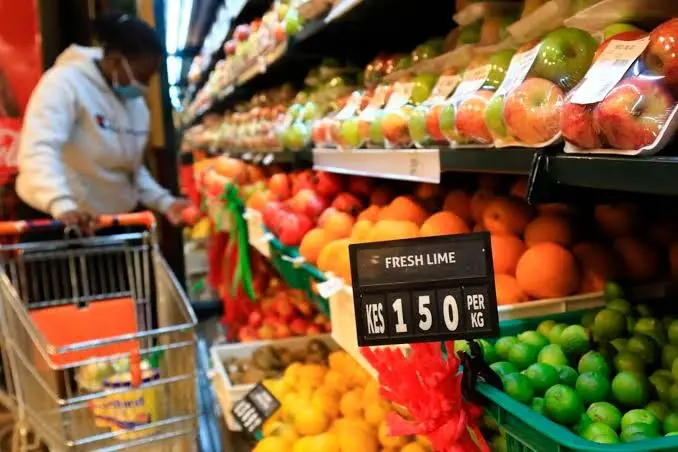
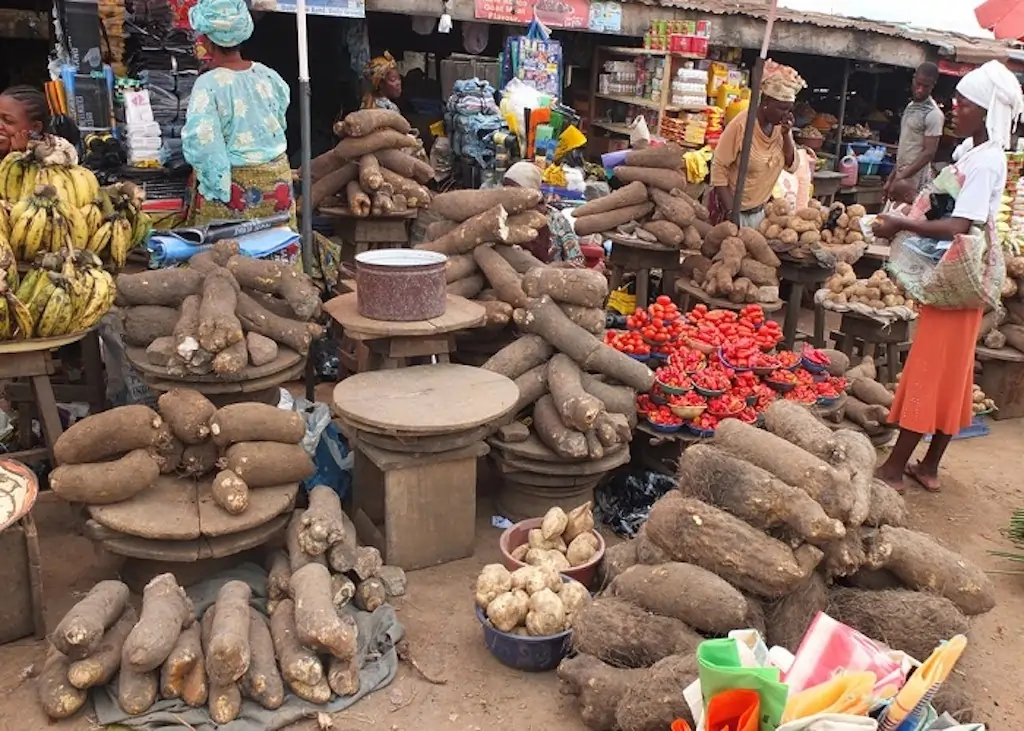
Several factors contribute to Nigeria’s persistent inflationary pressures. A significant driver is the high cost of food and energy. The country has been grappling with rising food prices due to supply chain disruptions, climate change impacts on agriculture, and increasing transportation costs. The cost of fuel has also been a significant factor, exacerbated by the global energy crisis and Nigeria’s own challenges in managing its oil resources.
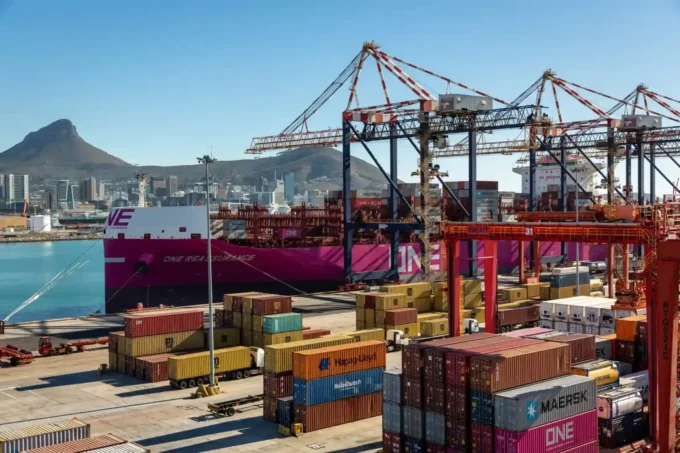
The ongoing depreciation of the Naira has also played a crucial role in driving inflation. The weakening currency has made imports more expensive, further pushing up prices of goods and services. Nigeria, which relies heavily on imports for essential goods, has seen its purchasing power diminish, contributing to the rising cost of living for its citizens.
Moreover, government policies, including the removal of fuel subsidies and adjustments in electricity tariffs, have had inflationary impacts. These policy shifts, while necessary for fiscal sustainability, have added to the cost burden on consumers.
Economic Implications: How Is This Affecting Nigerians?
The high inflation rate has far-reaching consequences for Nigeria’s economy and its people. The most immediate impact is the erosion of purchasing power. With prices rising rapidly, consumers find their income buys less, leading to a decrease in living standards. This situation has disproportionately affected low-income households, who spend a significant portion of their income on food and basic necessities.
Businesses are also feeling the strain. The cost of raw materials and production has increased, squeezing profit margins and leading to higher prices for consumers. Small and medium-sized enterprises (SMEs), which form the backbone of Nigeria’s economy, are particularly vulnerable to these inflationary pressures. Many are struggling to stay afloat as costs rise faster than they can pass on to consumers.
The financial sector is also impacted, with the Central Bank of Nigeria (CBN) facing challenges in balancing monetary policy. The high inflation rate limits the CBN’s ability to cut interest rates to stimulate economic growth, as doing so could further weaken the Naira and exacerbate inflation. This situation creates a delicate balancing act for policymakers, who must navigate between controlling inflation and fostering economic growth.
Government Response: What Measures Are Being Taken?
The Nigerian government, in collaboration with the Central Bank, has implemented several measures to combat inflation. These include tightening monetary policy by raising interest rates, which has been a standard approach in recent months. However, this strategy has its limitations, particularly in an economy already struggling with high unemployment and slow growth.
Fiscal policies have also been adjusted, with efforts to increase revenue through taxation and reduce government spending. The removal of fuel subsidies, while controversial, is part of a broader strategy to reduce the fiscal deficit and free up resources for investment in critical sectors like infrastructure and education.
Additionally, the government is focusing on boosting agricultural production to reduce dependency on imported food. Initiatives to improve local food production, such as providing farmers with access to finance, technology, and inputs, are being ramped up. The aim is to stabilize food prices and reduce the inflationary impact of imported goods.
International Context: How Does Nigeria Compare?
Nigeria’s inflation challenges are not unique, as many countries worldwide face similar issues due to global economic conditions. However, Nigeria’s situation is exacerbated by its structural weaknesses, such as over-reliance on oil exports, a fragile currency, and inadequate infrastructure.
Comparatively, other African countries are also grappling with high inflation, although the causes vary. For instance, in South Africa, inflation is driven by high energy costs and wage pressures, while in Ghana, currency depreciation and fiscal deficits are key drivers. Nigeria’s inflation rate is among the highest in Africa, highlighting the severity of its economic challenges.
Future Outlook: What Lies Ahead?
Looking forward, the trajectory of Nigeria’s inflation will depend on several factors. The global economic environment, particularly energy prices and supply chain dynamics, will play a crucial role. If global oil prices stabilize and supply chain disruptions ease, Nigeria could see some relief from inflationary pressures.
Domestically, the success of government policies aimed at stabilizing the economy will be critical. Efforts to boost local production, particularly in agriculture, could help mitigate some of the inflationary pressures. However, structural reforms are needed to address the root causes of inflation, such as improving infrastructure, reducing dependency on imports, and stabilizing the currency.
The Central Bank’s monetary policy will also be a key factor. If inflation continues to decline, there may be room for easing interest rates to support economic growth. However, this will need to be carefully managed to avoid triggering further currency depreciation and inflation.
Social Impact: The Human Cost of Inflation
The high inflation rate has a profound social impact, particularly on the most vulnerable populations. Rising food prices have led to increased food insecurity, with many households unable to afford basic meals. This situation has been exacerbated by the lack of social safety nets, leaving many Nigerians struggling to cope with the rising cost of living.
The youth, who make up a significant portion of Nigeria’s population, are particularly affected. High inflation, coupled with high unemployment, has created a challenging environment for young people, many of whom are unable to find jobs that provide a living wage. This has led to increased frustration and social unrest in some areas.
Conclusion: Navigating the Inflationary Storm
Nigeria’s inflation rate drop to 33.3% in July 2024 is a welcome development, but it is clear that significant challenges remain. The economic landscape is fraught with complexities, and the path to stability will require careful navigation by policymakers. The government’s ability to implement effective policies, coupled with global economic conditions, will determine Nigeria’s inflation trajectory in the coming months.
For Nigerians, the immediate concern remains the rising cost of living. While the slight decrease in inflation provides some hope, much more needs to be done to address the root causes of inflation and provide relief to the population. As the country moves forward, a balanced approach that considers both economic growth and social welfare will be crucial in ensuring a stable and prosperous future.
photo source: Google
By: Montel Kamau
Serrari Financial Analyst
16th August, 2024