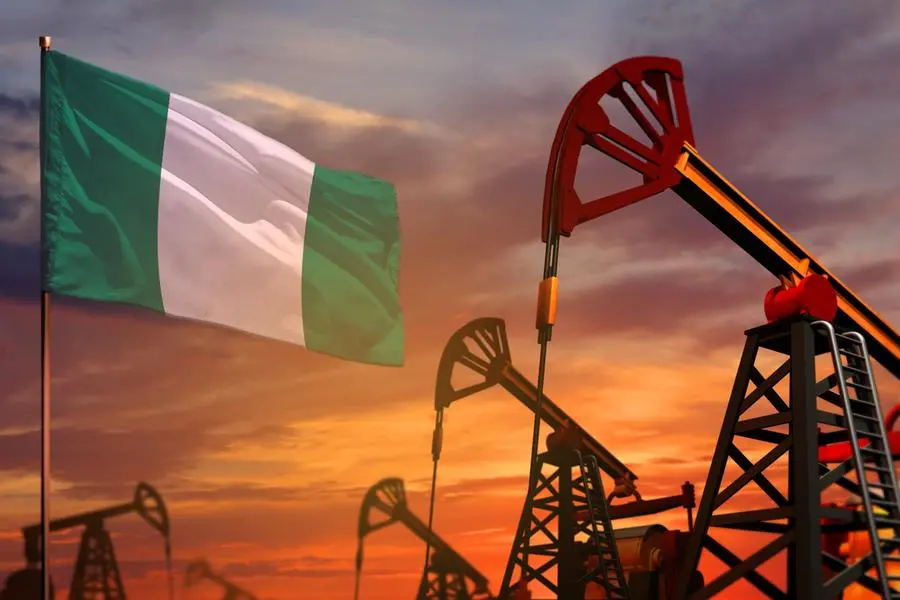
In response to the ongoing crude oil supply challenges affecting Nigeria’s local refining capacity, the Independent Petroleum Producers Group (IPPG) has called on the Nigerian National Petroleum Company Limited (NNPCL) to utilize its allocated crude oil volumes to support domestic refineries. This recommendation comes amid increasing concerns over the country’s ability to meet its refined product demands domestically.
Background: Nigeria’s Oil Industry Challenges
Nigeria, one of Africa’s largest oil producers, has historically struggled with inefficiencies in its petroleum sector, particularly in refining. Despite its significant crude oil production, Nigeria has been heavily reliant on imported refined petroleum products due to the underperformance of its local refineries. The situation has led to substantial financial outflows, increased vulnerability to global oil price fluctuations, and periodic fuel shortages.
The NNPCL, formerly known as the Nigerian National Petroleum Corporation (NNPC), has traditionally managed a portion of Nigeria’s crude oil production, specifically the 445,000 barrels of oil per day (bopd) allocated for domestic refining. However, due to the limited capacity of Nigeria’s state-owned refineries, much of this crude has been exported or used in crude-for-products swap agreements to import refined petroleum.
The Call for Redirection of Crude Oil
On August 16, 2024, Abdulrazak Isa, the Chairman of the IPPG, sent a letter to the Nigerian Upstream Petroleum Regulatory Commission (NUPRC) urging the NNPCL to redirect its allocated crude oil to local refineries such as the Dangote Petrochemical Refinery. The IPPG emphasized that this approach would help alleviate the current crude supply shortage faced by these refineries and ensure adequate local product availability.
Isa highlighted that the NNPCL has the capability and statutory responsibility to mitigate the crude supply shortfall through its intervention crude oil volume of 445,000 bopd. He suggested that this volume should be reserved exclusively for domestic refineries under a price hedge mechanism, potentially provided by financial institutions like Afrexim Bank. This would secure the crude supply for local refining needs while allowing any excess production to be exported, thus enhancing Nigeria’s foreign exchange earnings.
The Role of the Dangote Refinery
The Dangote Refinery, which is set to be one of the largest refineries in Africa, represents a significant shift in Nigeria’s refining landscape. Once fully operational, it is expected to produce up to 650,000 barrels of oil per day, with a substantial portion of this capacity dedicated to meeting Nigeria’s domestic refined product demand. The refinery’s potential to reduce Nigeria’s reliance on imported refined products has made it a focal point in discussions about improving the country’s refining efficiency.
However, the IPPG’s concerns about recent developments, including crude oil refining requirements and production forecasts for the second half of 2024, reflect broader uncertainties in the sector. Some IPPG members have received requests from the Dangote Refinery for crude supply nominations for October 2024, raising questions about the balance between domestic supply commitments and the willing-buyer, willing-seller framework established by the Petroleum Industry Act (PIA) of 2021.
The PIA was enacted to reform Nigeria’s oil and gas industry, introducing new regulatory frameworks aimed at increasing transparency, encouraging investment, and ensuring fair market practices. The Act’s emphasis on a market-driven approach to crude oil sales aligns with global industry standards but also requires careful management to avoid conflicts between national priorities and market dynamics.
Economic and Policy Implications
The redirection of NNPCL’s crude oil allocation to local refineries could have several economic and policy implications for Nigeria. On one hand, it could stabilize the domestic supply of refined products, reduce fuel importation costs, and strengthen the country’s energy security. On the other hand, it could impact Nigeria’s export revenues if not managed effectively, particularly if global oil prices fluctuate or if domestic refineries face operational challenges.
Moreover, the successful implementation of this strategy would depend on the readiness and capacity of local refineries, including the Dangote Refinery, to process the allocated crude oil efficiently. The Nigerian government would also need to address potential legal and regulatory challenges, particularly in aligning this strategy with the provisions of the PIA and ensuring that it does not disrupt the broader market-driven reforms intended to attract investment in the sector.
The Way Forward
The IPPG’s call to action underscores the need for a coordinated approach to addressing Nigeria’s refining challenges. It also highlights the importance of leveraging Nigeria’s existing crude oil resources to boost local refining capacity and reduce the country’s dependence on imported refined products.
As Nigeria navigates these challenges, the role of the NNPCL, local refineries, and regulatory bodies like the NUPRC will be crucial in ensuring that the country’s petroleum sector can meet domestic demands while supporting broader economic growth. The success of this strategy will likely require continued dialogue among industry stakeholders, careful management of crude oil allocations, and a focus on enhancing the efficiency and capacity of Nigeria’s refining infrastructure.
In the broader context, Nigeria’s ability to achieve energy self-sufficiency and leverage its oil resources for domestic development will have significant implications not only for its economy but also for its role in the global energy market. As the world transitions towards cleaner energy sources, Nigeria’s strategy in managing its oil resources and refining capacity will be a key determinant of its economic resilience and long-term sustainability.
By redirecting crude oil to local refineries, Nigeria could take a significant step towards achieving its energy security goals, reducing its vulnerability to global market shocks, and ensuring that its oil wealth contributes more directly to national development. However, this will require a concerted effort to address the existing challenges in the sector and to align policy initiatives with the country’s broader economic objectives.
photo source: Google
By: Montel Kamau
Serrari Financial Analyst
23rd August, 2024