

















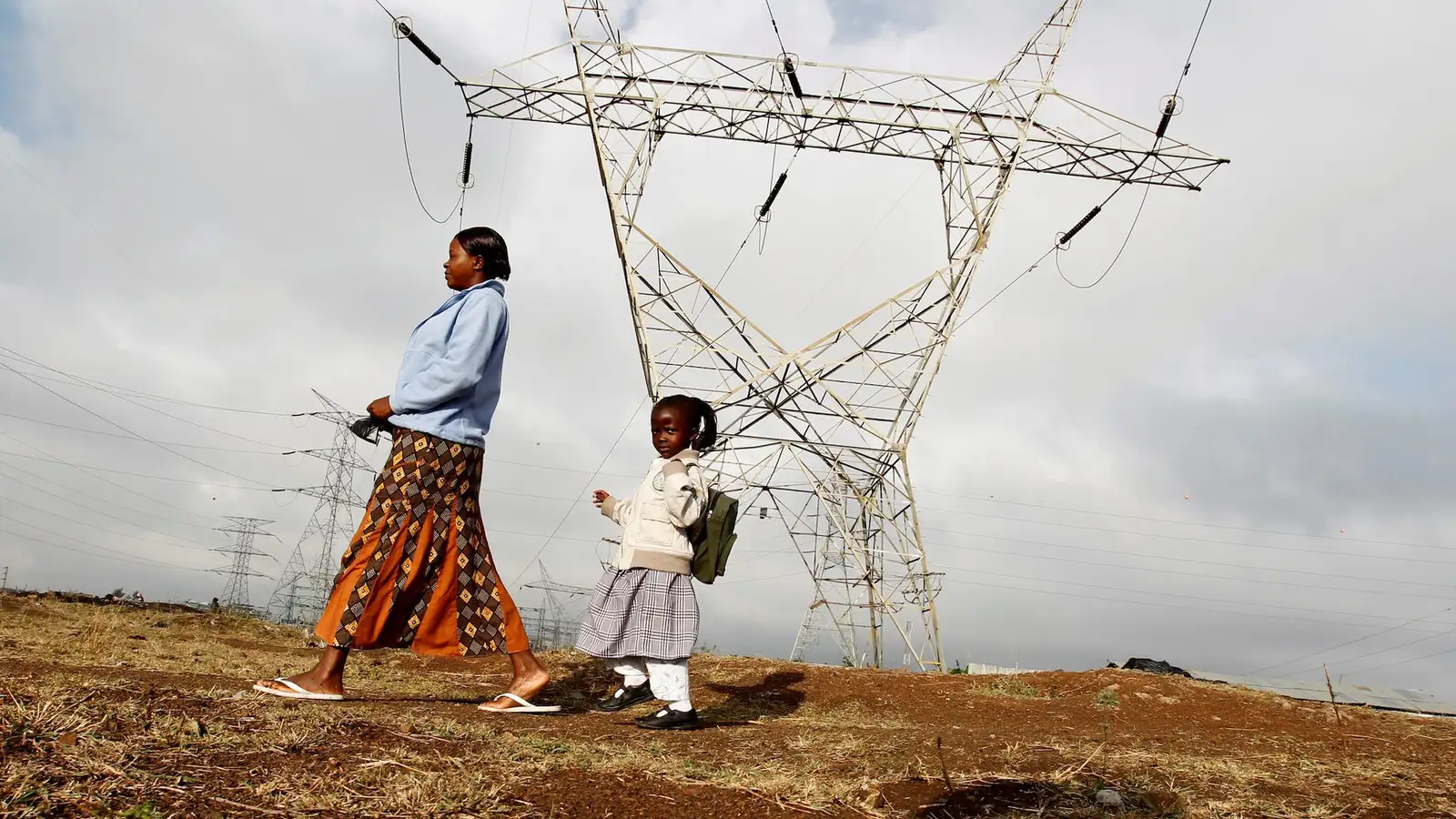
Kenya’s Rural Electrification Scheme (RES), established in 1973 with the noble aim of bringing electricity to remote areas and empowering rural communities, is now facing an existential threat. Recent reports reveal a staggering Sh55.9 billion loss accumulated by the scheme, painting a concerning picture. This analysis delves deeper into the factors contributing to the crisis, explores potential solutions, and examines the broader implications for Kenya’s development agenda.
Understanding the Losses: A Multifaceted Issue
The RES’s financial troubles are the result of a complex web of factors. Here’s a closer look at the key challenges:
- High Infrastructure Costs: Extending power lines to sparsely populated rural areas is inherently expensive. The construction and maintenance of transmission and distribution networks impose significant financial burdens.
- Low Revenue Generation: Many rural beneficiaries fall under the low-income bracket, limiting their electricity consumption. This translates to insufficient revenue generation to offset the substantial upfront investment costs.
- Inefficient Cost Allocation: The Mercados Formula, used to allocate costs between the general power grid and the RES, is outdated. It fails to account for crucial factors like foreign currency fluctuations and the financing costs borne by Kenya Power (KPLC), the utility managing the scheme.
- Negative Working Capital: The RES has consistently reported negative working capital for eight consecutive years. This indicates a chronic shortage of readily available funds to meet its short-term obligations, hindering smooth operations.
Impact on Kenya’s Development Goals
The financial instability of the RES poses a significant threat to Kenya’s aspirations for universal electricity access by 2030.
- Stalled Progress: Financial constraints could lead to a slowdown in expanding the grid and connecting new rural customers, leaving many communities without access to a crucial driver of economic development and improved living standards.
- Strained Public Finances: The government’s already stretched budget may struggle to sustain the RES with its current financial model, potentially necessitating the diversion of resources from other vital development programs.
Potential Solutions and the Road Ahead
Addressing the RES’s crisis requires a multi-pronged approach:
- Reviewing Cost Allocation: There’s a pressing need to revise the Mercados Formula to ensure a more transparent and accurate allocation of costs between the RES and the general power grid. This would provide a clearer picture of the scheme’s financial health.
- Exploring Innovative Financing Models: Kenya could explore alternative financing mechanisms besides relying solely on government budgetary allocations and donor grants. Public-private partnerships, microfinance initiatives tailored for rural populations, and innovative prepayment schemes could be potential avenues.
- Focus on Efficiency: Optimizing operations and minimizing wastage within the RES are crucial. This might involve exploring cost-effective technologies for grid expansion and maintenance, as well as investigating alternative energy solutions suitable for rural settings, such as solar mini-grids.
- Promoting Consumption and Income Generation: Initiatives to encourage increased electricity usage among rural communities are essential. This could involve promoting energy-efficient appliances, subsidies for low-income households, and supporting income-generating activities that require reliable electricity.
Conclusion: A Sustainable Future for Rural Electrification
The financial crisis of the RES serves as a wake-up call. It underscores the need for a comprehensive strategy to ensure sustainable rural electrification in Kenya. By addressing the underlying issues, exploring innovative solutions, and prioritizing efficiency, Kenya can ensure that the light of opportunity reaches all corners of the nation, fostering development and empowering rural communities.
Additional Considerations
To gain a more comprehensive understanding of the challenges and opportunities surrounding Kenya’s rural electrification efforts, consider these aspects:
- The Role of Renewable Energy: Exploring the potential of renewable energy sources like solar and wind power could offer a more sustainable and cost-effective approach for rural electrification, particularly in areas with limited grid access.
- Social Impact Studies: Research examining the socio-economic impact of rural electrification projects can provide valuable insights into the scheme’s effectiveness in improving livelihoods and promoting development in rural areas.
- Community Participation: Engaging local communities in the planning and implementation of rural electrification projects can foster a sense of ownership and encourage responsible energy consumption practices.
By incorporating these perspectives, we can gain a richer, more detailed picture of Kenya’s rural electrification efforts, highlighting both the challenges and the potential pathways to a brighter, more electrified future.
photo source: Google
By: Montel Kamau
Serrari Financial Analyst
25th July, 2024