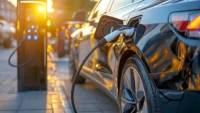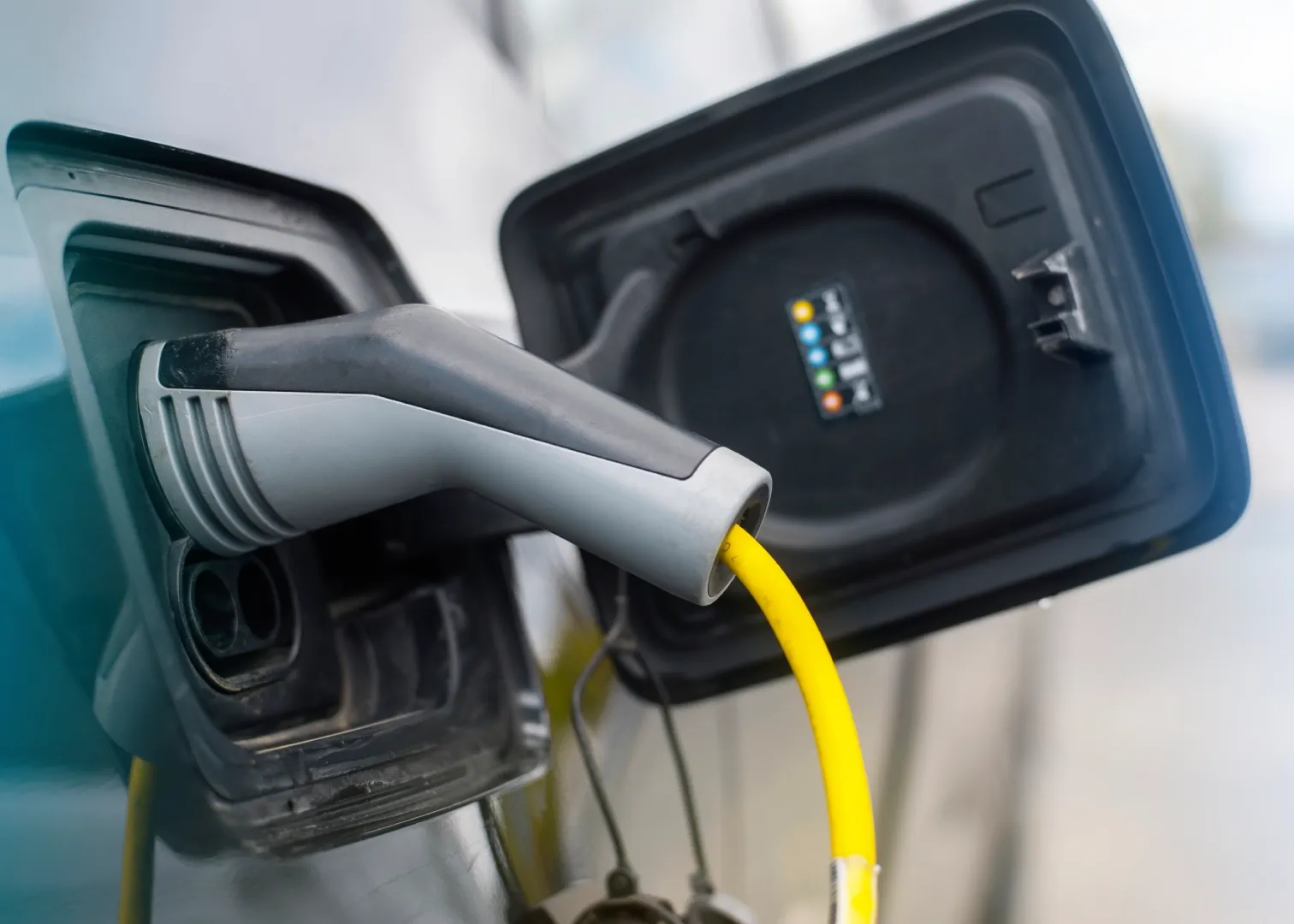
Kenya has announced a major electric mobility incentive that will exempt the first 100,000 electric vehicles imported into the country from import duty as part of efforts to reduce dependence on fossil fuels and shield the economy from rising global fuel prices.
President William Ruto said the measure is designed to accelerate EV adoption, attract investment into Kenya’s emerging electric mobility industry, and position the country as a regional leader in sustainable transport infrastructure.
The announcement comes as Kenya faces rising fuel prices linked to ongoing global energy market instability and broader supply disruptions affecting oil-importing economies worldwide.
Key Overview
- Kenya will exempt the first 100,000 EVs from import duty
- The tax relief applies to both private and public service EVs
- President William Ruto announced the policy from State House Mombasa
- Kenya aims to reduce dependence on imported fossil fuels
- Registered EVs in Kenya rose from 796 in 2022 to 24,754 in 2025
- Kenya targets a 32% emissions reduction by 2030
- The government has already ordered 3,000 electric vehicles
- Officials want Kenya to become a regional EV manufacturing and mobility hub
Kenya Launches Major EV Tax Incentive
Kenya has announced that the first 100,000 electric vehicles imported into the country will be exempt from import duty as the government accelerates efforts to transition away from fossil fuels and reduce vulnerability to volatile global oil markets.
President William Ruto made the announcement during a live address from State House Mombasa on Friday, describing the initiative as part of Kenya’s broader clean energy and transport strategy.
“I’m also making a declaration that the first 100,000 electric vehicles to be imported into Kenya, whether for public service or private use, will be duty free,” Ruto said.
According to the President, the temporary tax exemption is intended to encourage investment in electric mobility while reducing long-term dependence on imported fossil fuels.
The policy applies to both private imported EVs and public service vehicles, signaling a broader government push to mainstream electric mobility across Kenya’s transportation sector.
Analysts say the move represents one of the most significant EV policy incentives introduced in East Africa as countries across the region increasingly explore cleaner transport alternatives.
Rising Fuel Prices Accelerate Policy Shift
The announcement comes as Kenya faces a sharp increase in fuel prices driven largely by ongoing instability in global energy markets.
Government figures show diesel and kerosene prices have risen by more than 118 per cent since February 2026.
The Kenyan government has already committed approximately KSh 28.19 billion toward fuel price stabilisation and VAT relief measures in an attempt to cushion consumers and businesses from escalating fuel costs.
Officials say the EV import duty exemption therefore serves both as an immediate economic response and a longer-term energy transition strategy.
Analysts note that oil-importing countries such as Kenya remain particularly vulnerable to geopolitical disruptions affecting global fuel supply chains and shipping routes.
The recent volatility across global energy markets has intensified pressure on many developing economies to diversify transportation systems and strengthen energy security through electrification and renewable energy investment.
Government Targets Regional EV Leadership
President Ruto said the government intends to position Kenya as a regional leader in electric mobility, green energy, and sustainable transport infrastructure.
He stated that the policy forms part of a broader national effort to improve energy security while promoting environmentally friendly technologies for future generations.
“To build a more self-reliant future generation, we should embrace the use of electric vehicles. So far, as a country, we have requested 3,000 electric vehicles,” Ruto said.
The President revealed that the government has already ordered 3,000 electric vehicles through the Ministries of Interior and Defence in response to rising fuel prices.
Analysts say public-sector adoption of EVs could help accelerate broader market confidence while supporting early development of charging infrastructure and maintenance ecosystems.
The government is also encouraging both local and international investors to establish EV assembly plants and manufacturing facilities within Kenya.
Officials believe the policy could help attract global automotive manufacturers seeking entry into East Africa’s emerging electric mobility market.
Kenya Seeks Local EV Manufacturing Growth
The government said it is actively engaging private investors to establish local EV manufacturing and assembly facilities as part of its long-term industrial strategy.
Analysts say removing import duty could significantly improve affordability for consumers while helping stimulate broader investment across the EV value chain.
Industry players believe the policy may also accelerate investment in:
- Charging infrastructure
- Vehicle servicing and maintenance
- Battery technologies
- Local assembly operations
- Renewable-powered mobility systems
Experts say Kenya could become an attractive market for EV investment because of its strong renewable electricity mix and growing urban mobility demand.
The country already generates a large share of its electricity from renewable energy sources including geothermal, hydro, wind, and solar power.
Analysts note that coupling renewable electricity generation with electric mobility expansion could significantly strengthen Kenya’s long-term energy independence.
Context is everything. Stay ahead of shifting trends with today’s market updates, and uncover emerging opportunities using the Serrari Group Market Index and Marketplace. Then, take control of your own financial future by exploring our Money & Life Reset Transformation Blueprint ™ to build stronger habits, create better systems, and design a path toward lasting wealth.
EV Adoption Expanding Rapidly in Kenya
Government officials say Kenya’s EV market has already expanded rapidly over the past three years.
According to Energy Cabinet Secretary Davis Chirchir, registered electric vehicles increased from just 796 units in 2022 to 24,754 vehicles by 2025.
“Kenya has committed to reducing greenhouse gas emissions by 32% by 2030, in line with the Paris Agreement, with electric mobility identified as a key strategy,” Chirchir said.
He added that the country’s electric mobility strategy is anchored within Kenya Vision 2030, the Bottom-Up Economic Transformation Agenda (BETA), Medium Term Plan IV, and the Kenya Kwanza Manifesto.
Analysts say Kenya is emerging as one of Africa’s fastest-growing EV markets, particularly within electric motorcycles and public transport sectors.
At the same time, rising fuel costs are increasing consumer interest in lower-cost transportation alternatives.
Government Pursues Broader Energy Security Plans
Alongside the EV announcement, President Ruto also highlighted plans to strengthen regional energy infrastructure and reduce Kenya’s dependence on imported refined petroleum products.
The government is continuing discussions with East African partner states and private-sector investors regarding development of oil reserves in Turkana and across the wider East African region.
Ruto said Kenya also plans to support development of a regional oil refinery to reduce exposure to external fuel supply disruptions.
“The government of Kenya, working together with our East African partner States, and the private sector, is determined to bring into production our oil reserves and resources in Turkana and across the East African region, alongside the development of a regional refinery to reduce our vulnerability to disruptions beyond our control,” the President said.
He added that Kenya is simultaneously accelerating investment in renewable energy, electric mobility, modern public transport systems, and energy security infrastructure.
Analysts say Kenya’s strategy reflects a broader balancing effort between supporting conventional energy security and accelerating long-term clean energy transition goals.
EV Incentive Could Reshape Kenya’s Mobility Market
Industry observers say the removal of import duty could significantly reshape Kenya’s emerging EV market by lowering upfront vehicle costs for both businesses and individual consumers.
Electric vehicles in Kenya currently range from approximately KSh 544,000 for smaller models such as the Toyota C+Walk T to around KSh 3.7 million for larger commercial EVs including the Mitsubishi Minicab-MiEV Van CD.
Reducing import costs may therefore help make EVs accessible to a wider segment of consumers.
Analysts also believe the policy could strengthen investment confidence across East Africa’s broader clean transport ecosystem.
If successful, Kenya’s incentive program may become a model for other African economies attempting to reduce fuel import dependence while accelerating clean mobility adoption.
Outlook
Kenya’s decision to waive import duty on the first 100,000 electric vehicles marks one of the country’s most ambitious electric mobility policies to date.
The initiative reflects growing urgency among oil-importing economies to reduce exposure to global fuel market volatility while accelerating investment in cleaner transportation systems.
For Kenya, the policy could help stimulate EV adoption, attract manufacturing investment, and strengthen the country’s position as a regional electric mobility hub.
At the same time, long-term success will likely depend on continued investment in charging infrastructure, affordable financing, renewable electricity supply, and broader transport ecosystem development.
Your financial future isn’t something you wait for—it’s something you build.
The real question is: when do you begin?
Move beyond simply staying informed.
Navigate the markets with clarity—track trends through the Serrari Group Market Index, uncover opportunities in the Serrari Marketplace, and build practical knowledge with our Curated Wealth Builder Platform.
Stay connected to what truly matters.
Get daily insights on macro trends and financial movements across Kenya, Africa, and global markets—delivered through the Serrari Newsletter.
Growth opens doors.
Advance your career through professional programs including ACCA, HESI A2, ATI TEAS 7 , HESI EXIT , NCLEX – RN and NCLEX – PN, Financial Literacy!🌟—designed to move you forward with confidence.
See where money is flowing—clearly and in real time.
Track Money Market Funds, Treasury Bills, Treasury Bonds, Green Bonds, and Fixed Deposits, alongside global and African indexes, key economic indicators, and the evolving Crypto and stablecoin landscape—all within Serrari’s Market Index.
Sources: Citizen Digital, Sacco Review, Top News Ke, KBC Digital, Techweez, People Daily