
















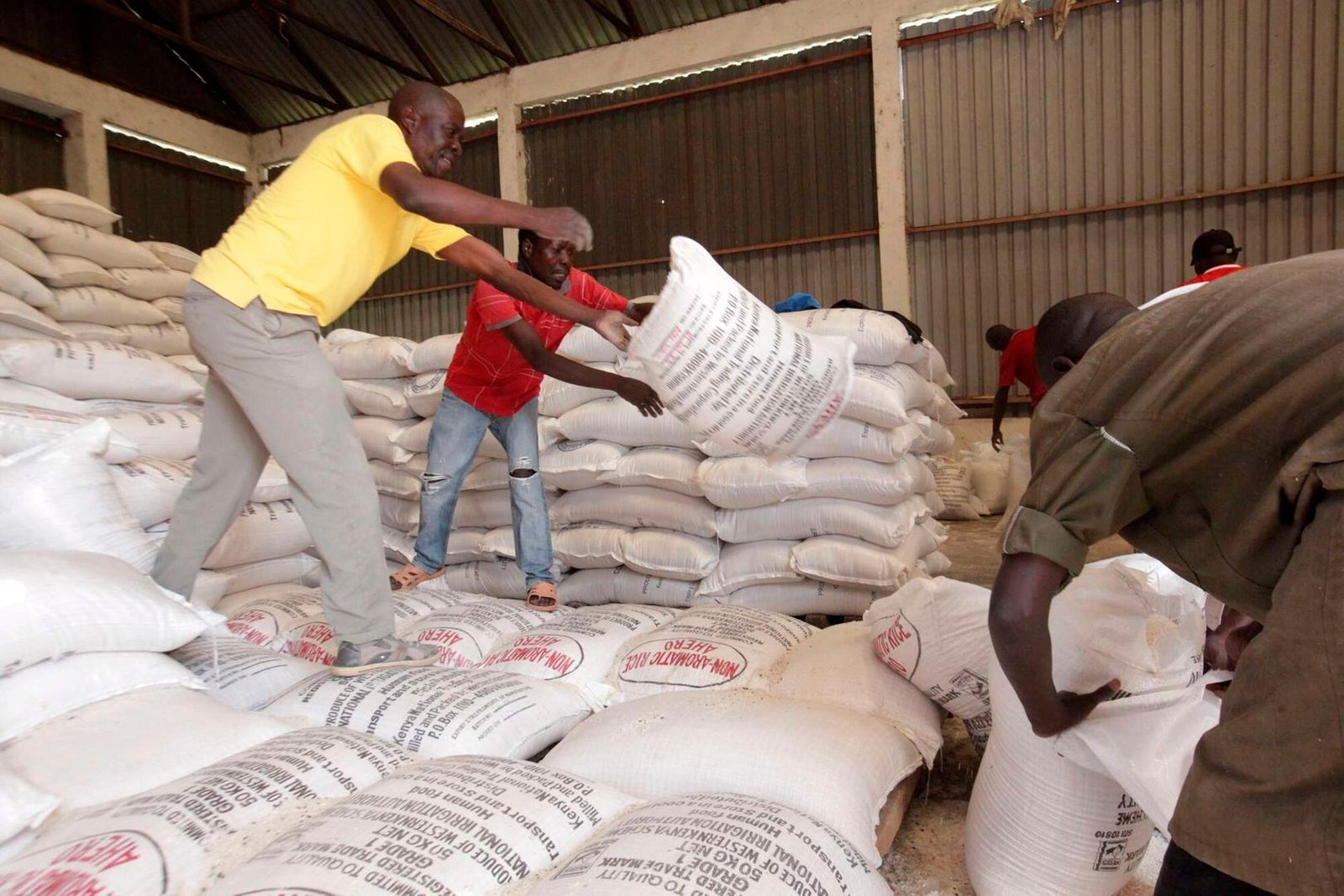
In a move aimed at easing the cost of doing business and addressing stakeholder concerns, the Kenya Plant Health Inspectorate Service (Kephis) has suspended the implementation of new levies on imports and exports until March 2025. The suspension comes after significant backlash from traders who argued that the additional costs would harm their operations and increase inefficiencies at key entry points, such as Mombasa Port.
This is the second time Kephis has delayed the introduction of the charges, which were originally set to take effect in July 2024. After consultations with the business community and other stakeholders, Kephis Managing Director Prof. Theophilus Mutui announced that the agency would review and adjust the proposed levies before initiating a pilot program in March 2025.
Stakeholder Opposition to New Levies
The resistance to the new charges stems from concerns over rising business costs, which traders argue will negatively impact Kenya’s trade competitiveness in the region.
Impact on Freight Costs
Under the proposed changes, the cost of inspecting and acquiring a phytosanitary certificate for a 40-foot container was set to rise from $11.80 to $90.50. These additional costs would make Kenya one of the most expensive countries in East Africa for import and export processes. In comparison, Tanzania charges approximately $17 for the same certification.
“Adding these fees will not only increase the cost of freight but also create delays in clearing cargo, further reducing the efficiency of the port,” said Nassib Mubarak, a representative of the Cereal Millers Association.
Potential Domino Effect
Stakeholders also expressed concerns that Kephis’ move could set a precedent for other port agencies to introduce similar charges. “If this is implemented, it will open the door for over 30 agencies at the port to impose their own fees, significantly raising the cost of doing business,” warned Shippers Council of Eastern Africa CEO Agayo Ogambi.
Ogambi also urged the government to allocate more funds to critical agencies involved in cargo clearance instead of asking them to self-finance through levies.
Port Efficiency and Regional Trade Competitiveness
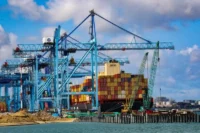
Kenya’s Mombasa Port is a critical trade hub for East Africa, serving landlocked countries such as Uganda, Rwanda, and South Sudan. Increased costs and delays at the port could divert trade to alternative routes, such as Tanzania’s Dar es Salaam Port, which has been actively improving its infrastructure and reducing costs to attract more traders.
Comparative inefficiencies could harm Kenya’s regional standing as a trade and logistics hub. The introduction of levies without addressing underlying issues such as delays and bottlenecks at the port could make Kenyan routes less attractive to traders.
Broader Implications for Agriculture and Trade
Agricultural Sector Concerns
The levies were part of Kephis’ effort to ensure compliance with international standards for agricultural products. While the agency’s role in protecting Kenya’s agricultural sector from pests and diseases is critical, stakeholders argue that the proposed charges would disproportionately affect small and medium-sized enterprises (SMEs) and farmers who rely on affordable logistics for their livelihoods.
Exporters Face Competitive Pressure
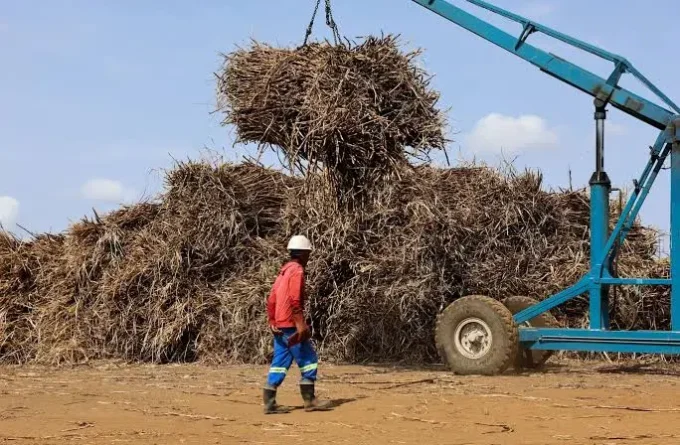
Kenyan exporters, particularly those dealing in fresh produce and grains, could face increased costs that would make their products less competitive in international markets. The agriculture sector accounts for a significant portion of Kenya’s exports, and any added logistical costs could harm its growth.
Government’s Role in Addressing Challenges
The Kenyan government faces a delicate balancing act between ensuring efficient service delivery at ports and maintaining the country’s competitiveness as a trade hub.
Funding for Critical Agencies
To address the funding shortfalls faced by agencies like Kephis, the government may need to explore alternative revenue streams or allocate additional resources through the national budget. This would reduce the pressure on agencies to impose levies on traders.
Streamlining Port Operations
Improving port efficiency remains a key priority. The government could invest in digitalization and automation of clearance processes to reduce delays and minimize costs for traders. Initiatives such as the Integrated Customs Management System (iCMS) should be accelerated to enhance transparency and reduce bureaucratic hurdles.
Regional Harmonization of Fees
Kenya could also work with regional trade partners to harmonize fees and charges for import and export processes. Aligning costs with those of neighboring countries, such as Tanzania, would ensure that Kenya remains competitive within the East African Community (EAC).
Trader Advocacy and Dialogue
The suspension of the levies highlights the importance of stakeholder engagement in policymaking. The active involvement of organizations like the Shippers Council of Eastern Africa and the Cereal Millers Association played a critical role in advocating for traders’ concerns.
Collaborative Solutions
Stakeholders have called for continued dialogue with Kephis to develop a fair and transparent framework for implementing inspection fees. “We’re not against Kephis fulfilling its mandate, but there needs to be a balance that does not harm the business environment,” said Nassib Mubarak.
Economic Context and Global Trade Trends
Kenya’s trade policies are being shaped by global trends, including rising shipping costs, increasing demand for compliance with international standards, and growing competition among trade hubs. As countries adapt to these challenges, Kenya must position itself as a competitive and efficient gateway for trade in the region.
Looking Ahead
The suspension of levies until March 2025 provides a window of opportunity for Kenya to address traders’ concerns and implement reforms that enhance the country’s trade and logistics ecosystem. By balancing the need for revenue generation with the imperative to support economic growth, Kenya can maintain its status as a leading trade hub in East Africa.
As discussions continue, the focus must remain on creating a business-friendly environment that fosters regional trade, supports local industries, and ensures sustainable growth for all stakeholders.
Ready to take your career to the next level? Join our dynamic courses: ACCA, HESI A2, ATI TEAS 7 , HESI EXIT and NCLEX – RN !🌟 Dive into a world of opportunities and empower yourself for success. Explore more at Serrari Ed and start your exciting journey today! ✨
Photo source: Google
By: Montel Kamau
Serrari Financial Analyst
12th December, 2024