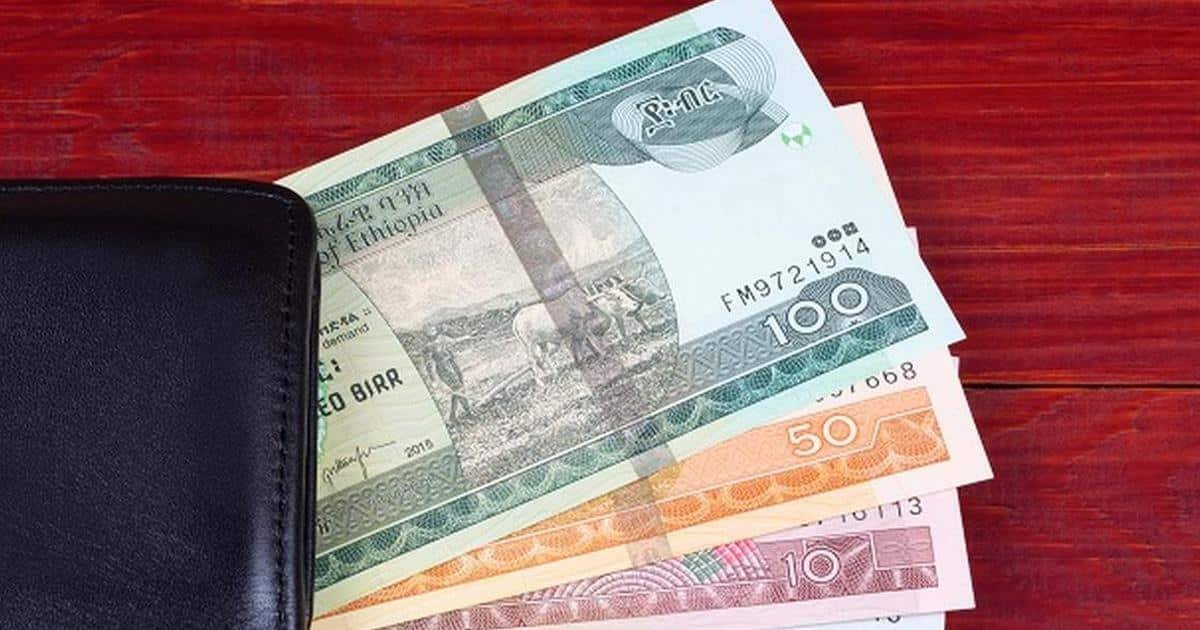
In recent days, Ethiopia has witnessed a dramatic shift in its economic landscape following the central bank’s decision to float the national currency, the birr. The move, which saw the birr weaken by 28% against the US dollar, has led to a surge in commodity prices, prompting local authorities to crack down on businesses accused of exploiting the situation.
Currency Float: A Strategic Move with Immediate Consequences
The central bank’s decision to float the birr is a significant departure from its previous fixed exchange rate system. This change is part of Ethiopia’s broader strategy to secure a new International Monetary Fund (IMF) lending program and get its debt restructuring efforts back on track. The intention behind floating the currency is to stabilize the economy by aligning it more closely with market forces, which can attract foreign investment and improve the country’s financial standing.
However, this transition hasn’t been without its challenges. The birr’s sharp depreciation has had a cascading effect on prices, especially for essential goods. This sudden spike has put a strain on many households, particularly those already vulnerable to economic fluctuations.
Government’s Response: Business Closures and Price Controls
In response to the escalating prices, local authorities have taken swift action. According to Sewnet Ayele, spokesperson for the Addis Ababa City Trade Bureau, “The businesses were caught making unreasonable price increases mostly on food items… The stocks were imported before the new exchange rate.”
In Addis Ababa alone, 71 businesses have been shut down due to their role in hiking prices. Similarly, in the Oromiya region, 19 businesses have faced closure, and three individuals have been detained for their involvement in price gouging. The crackdown specifically targets those who raised prices immediately after the currency float, without justification.
One of the commodities most affected is cooking oil, which has seen a price increase of 25%, or 300 birrs. Rice and other staples have also become more expensive, adding to the financial burden on Ethiopian families.
The Broader Economic Impact: Inflation and Consumer Concerns
The liberalization of the foreign exchange market has paved the way for Ethiopia to secure vital funding from the IMF and the World Bank. Yet, this economic reform has also brought about concerns regarding inflation and its impact on everyday life. Analysts worry that the price hikes could disproportionately affect the poor, who are already struggling with high living costs.
The surge in prices for imported goods, driven by the birr’s depreciation, is likely to continue as the new exchange rate settles in. This could exacerbate inflationary pressures and further strain household budgets, particularly for those with fixed or low incomes.
Long-Term Vision: Economic Growth and Private Sector Development
Despite the immediate difficulties, the Ethiopian government and its development partners view the currency float as a crucial step towards long-term economic stability and growth. By moving to a market-determined exchange rate, Ethiopia aims to create a more transparent and investor-friendly environment. This move is expected to enhance the private sector’s role in the economy and attract foreign direct investment (FDI).
The broader economic reforms align with Ethiopia’s Growth and Transformation Plan, which focuses on infrastructure development, industrialization, and agricultural modernization. The goal is to integrate Ethiopia more deeply into the global economy, facilitating sustainable growth and reducing reliance on external aid.
Historical Context: Lessons from Global Experiences
Ethiopia’s decision to float its currency is not an isolated case. Many countries have undergone similar transitions, with varying outcomes. For instance, Egypt floated its currency in 2016, leading to initial inflation but eventually stabilizing the economy and boosting foreign investment.
Ethiopia can draw valuable lessons from these experiences. Effective implementation of economic reforms requires a careful balance between managing immediate challenges and pursuing long-term goals. The country’s approach will need to include robust regulatory frameworks, clear communication with the public, and measures to protect the most vulnerable.
Challenges and Opportunities: Managing the Transition
The immediate challenges of price hikes and inflation are significant, but they also present opportunities for Ethiopia to strengthen its economic policies. The government’s response to business malpractices is an essential part of maintaining consumer trust and ensuring that the benefits of economic reform are felt broadly across society.
In addition, the government may need to consider implementing social safety nets or targeted subsidies to mitigate the impact of rising prices on low-income families. By addressing these issues proactively, Ethiopia can support a smoother transition to a market-based economy while fostering sustainable growth.
Conclusion: Navigating a Complex Economic Transition
Ethiopia’s recent currency float and the subsequent crackdown on price hikes represent a pivotal moment in the country’s economic journey. While the immediate impact has been challenging, the long-term potential for economic stabilization and growth is substantial. The key to success will be managing the transition effectively, ensuring that the benefits of reform are widely distributed, and addressing the concerns of vulnerable populations.
As Ethiopia navigates this complex economic landscape, it will be crucial for the government to balance the demands of immediate economic stabilization with the broader goals of sustainable development. By learning from global experiences and implementing thoughtful policies, Ethiopia can work towards a more resilient and prosperous economic future.
photo source: Google
By: Montel Kamau
Serrari Financial Analyst
2nd August, 2024