With a population of nearly 20 million, Zambia is Africa’s largest copper producer. As the nation faces economic challenges, its leadership is determined to navigate the obstacles and steer LUSAKA – Zambia’s economic growth is expected to decelerate in 2023, with the nation’s GDP projected to grow by just 2.7%, down from the 4.7% growth experienced in 2022. This development comes as contractions in the mining and energy sectors continue to impede the country’s progress, according to a budget plan presented by the Ministry of Finance on Sunday.
The Southern African nation faced economic turmoil in 2020 when it became the first country in Africa to default on its sovereign debt. However, there is now hope on the horizon as Zambia successfully concludes a long-delayed debt restructuring plan with the International Monetary Fund (IMF). The IMF estimates that this restructuring will result in a substantial savings of $7.65 billion for Zambia by 2026.
Looking ahead, the budget plan outlines the potential for improved economic performance. The projections indicate that with macroeconomic improvements and effective policy reforms, Zambia’s GDP may grow by 4.8% in 2024, 4.3% in 2025, and reach 5.0% in 2026.
Secretary to the Treasury, Felix Nkulukusa, expressed optimism, stating that the nation is gaining confidence as it works diligently to restore fiscal sustainability.
Despite the challenging economic situation, recent positive developments show progress. In June, Zambia reached an agreement with its lenders, including its largest creditor, China, to restructure the country’s public debt, offering financial relief. This was particularly crucial given the impact of the COVID-19 epidemic, making Zambia the first African government to default during the pandemic.
The IMF’s initial evaluation of Zambia’s $1.3 billion Extended Fund Facility (EFF) program has been completed, and the country received a boost with the approval of an immediate disbursement of $189 million by the IMF’s executive board last week. Zambia aims to further restructure debt with private creditors, and this endeavor is expected to materialize following the conclusion of the IMF’s second review later this year.
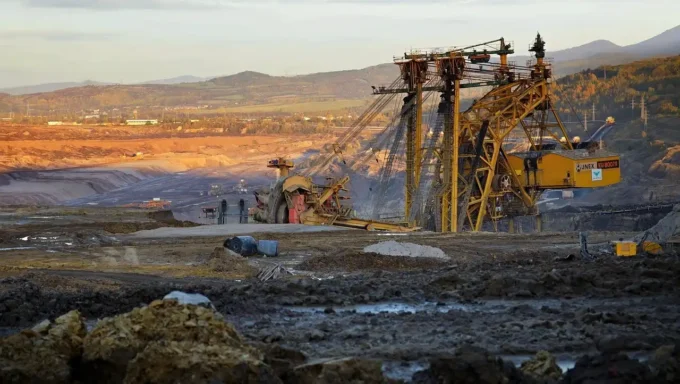
Copper production, a significant driver of Zambia’s economy, is anticipated to decrease to 682,431 tonnes in 2023 from 763,550 tonnes in the previous year, according to budget the country toward a path of sustainable growth and financial recovery.
By: Montel Kamau
Serrari Financial Analyst
17th July, 2023
photo source:Google