Lagos, Nigeria – In a historic development for Nigeria’s oil industry, Africa’s largest oil refinery was commissioned in Lagos today by outgoing President Muhammadu Buhari. The long-awaited project, spearheaded by Africa’s richest person, Aliko Dangote, is set to breathe new life into Nigeria’s struggling oil sector, which has faced challenges due to under-performing state-run refineries and a heavy reliance on fuel imports.
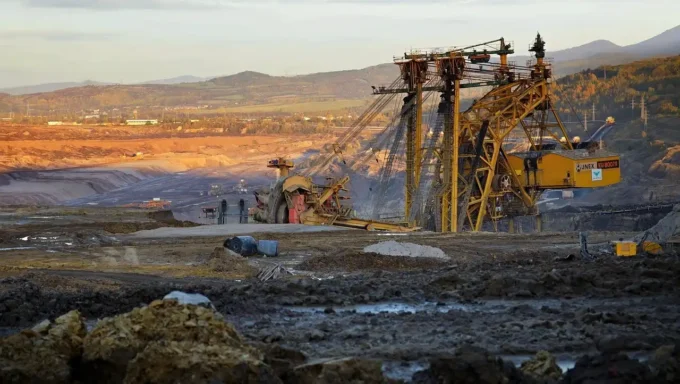
The Dangote oil refinery, a colossal $20 billion investment by the Dangote Group, boasts an impressive daily processing capacity of 650,000 barrels. Once fully operational, it is expected to begin producing its first batch of refined products by August, though some analysts anticipate a slightly delayed timeline.
President Buhari hailed the refinery as a “game-changer” not only for Nigeria’s petroleum market but also for the entire African continent. Notably, the event attracted prominent leaders from neighboring countries, including the presidents of Ghana, Niger, Togo, Senegal, and a representative of Chad’s leader.
Nigeria’s Struggle with Fuel Imports
Nigeria, despite being Africa’s largest crude oil producer, has long faced challenges in meeting its domestic fuel demand. The country has been heavily reliant on fuel imports, incurring significant costs and creating a drain on foreign exchange reserves. The situation was further exacerbated by the economic impacts of the COVID-19 pandemic and the Russia-Ukraine war.
Dangote’s Refinery as a Solution
The Dangote refinery is positioned to address these long-standing challenges by increasing Nigeria’s refining capacity and reducing import dependency. Once at full throttle, it is anticipated to meet the country’s entire domestic fuel consumption, producing vital products such as gasoline, diesel, and aviation jet fuel.
A significant portion of the refinery’s products is earmarked for export, potentially bringing in much-needed foreign exchange revenue for the country. This, coupled with its location in the Lekki Free Zone, offers a strategic advantage for Nigeria’s oil and gas industry. Furthermore, the project aims to create over 100,000 direct and indirect jobs, a boon for Nigeria’s economy.
The Road Ahead
While the commissioning of the refinery marks a monumental step forward, some experts suggest that it may take some time for the facility to achieve full operational status. Analysts like Amaka Anku from Eurasia Group expect it to reach full capacity within the next year, while others like Tunde Leye from SBM Intelligence foresee potential delays extending into 2024.
The success of the Dangote refinery could also impact the Nigerian government’s approach to fuel subsidies. Although it may not lead to immediate price reductions, it presents an opportunity for the government to reevaluate its subsidy policies and focus on more transparent and sustainable energy initiatives.
However, questions have been raised about the refinery’s potential impact on Nigeria’s net-zero emission goals. While it represents a crucial step towards reducing the country’s import dependency, it remains heavily reliant on fossil fuels. Nigeria must now balance its efforts to achieve energy self-sufficiency with a commitment to sustainable energy solutions like solar and wind power.
In summary, the commissioning of Africa’s largest oil refinery marks a momentous occasion for Nigeria’s oil industry, signaling hope for increased energy security and economic growth. As the facility becomes fully operational, it is expected to transform the nation’s refining landscape and potentially elevate Nigeria as a key player in the global petroleum market.
By: Montel Kamau
Serrari Financial Analyst
19th July, 2023
photo source:Google