Türkiye plans to allocate approximately $200 billion toward its energy transition through 2035, including investments in electrification infrastructure, wind, solar and nuclear power. The country aims to raise combined wind and solar capacity to 120 GW by 2035, requiring 8–9 GW of new capacity annually.
Around $80 billion of the total financing need is expected to go toward grid modernization, system flexibility, transmission, distribution and broader network infrastructure.
Key Overview
- Total energy transition financing: Approximately $200 billion
- Target year: 2035
- Wind and solar capacity target: 120 GW
- Required annual additions: 8–9 GW
- Grid and flexibility investment: About $80 billion
- Renewable share of installed capacity in 2025: 62%
- Renewable share of electricity generation: 43.4%
- 2025 electricity generation: 356 TWh
- 2035 net-zero target: 2053
Türkiye Sets Out $200 Billion Energy Investment Plan
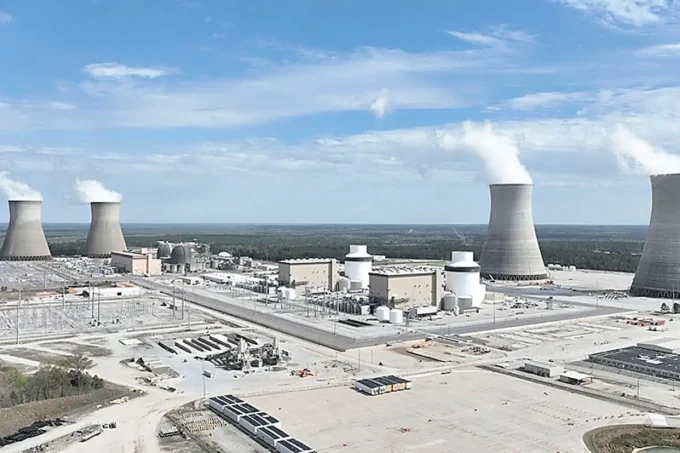
Türkiye plans to invest approximately $200 billion in its energy transition by 2035, as the country seeks to expand renewable energy capacity, strengthen its electricity infrastructure and develop its wind, solar and nuclear power sectors.
The investment requirements are outlined in the Energy Sector Report 2026, prepared through a collaboration between the Presidency’s Investment and Finance Office and APLUS Enerji Danışmanlık.
The report provides a roadmap for Türkiye’s energy-sector development through 2035 and highlights opportunities for domestic and international investors.
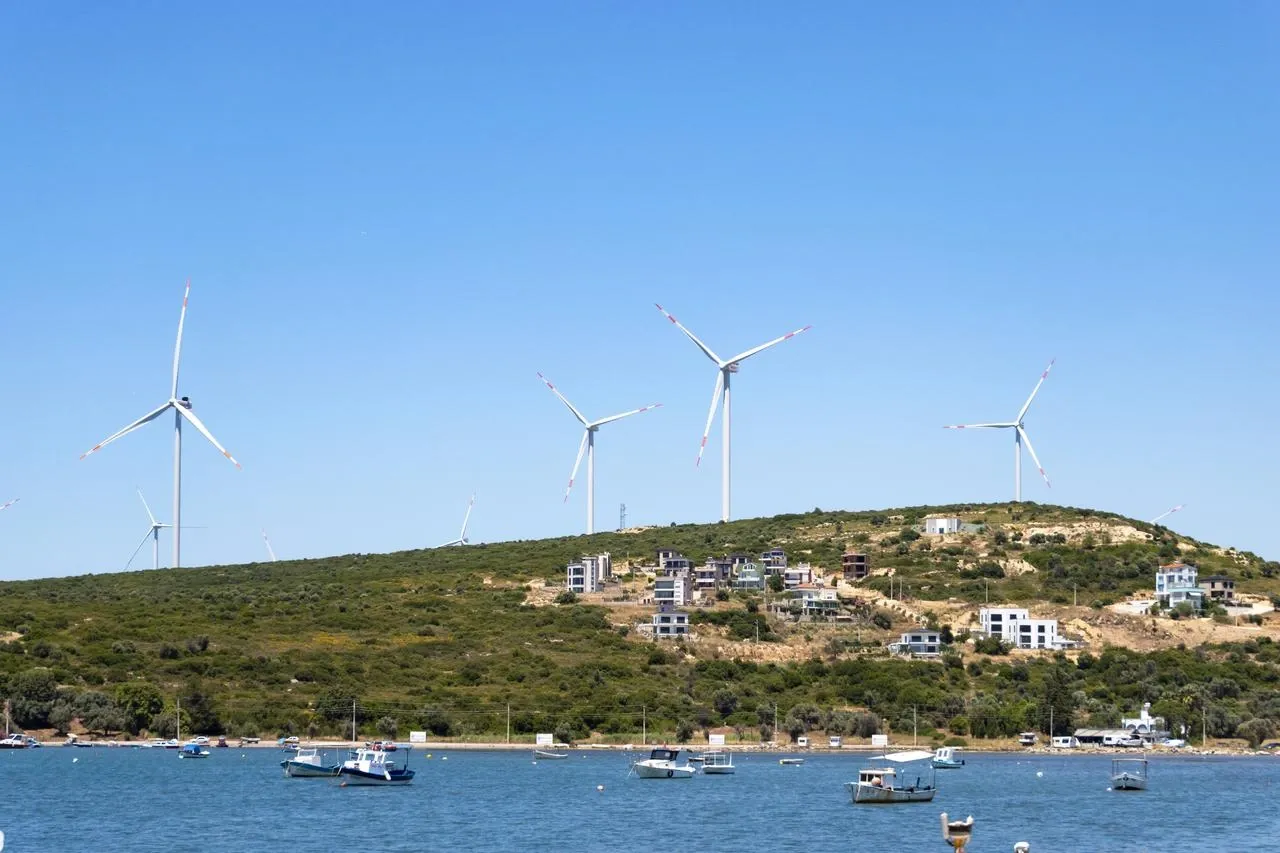
According to projections cited from the Energy and Natural Resources Ministry, Türkiye wants to increase its combined wind and solar capacity to 120 gigawatts by 2035.
Achieving the target will require the country to add approximately 8 to 9 gigawatts of new capacity annually in the coming years.
$80 Billion Needed for Grid Infrastructure
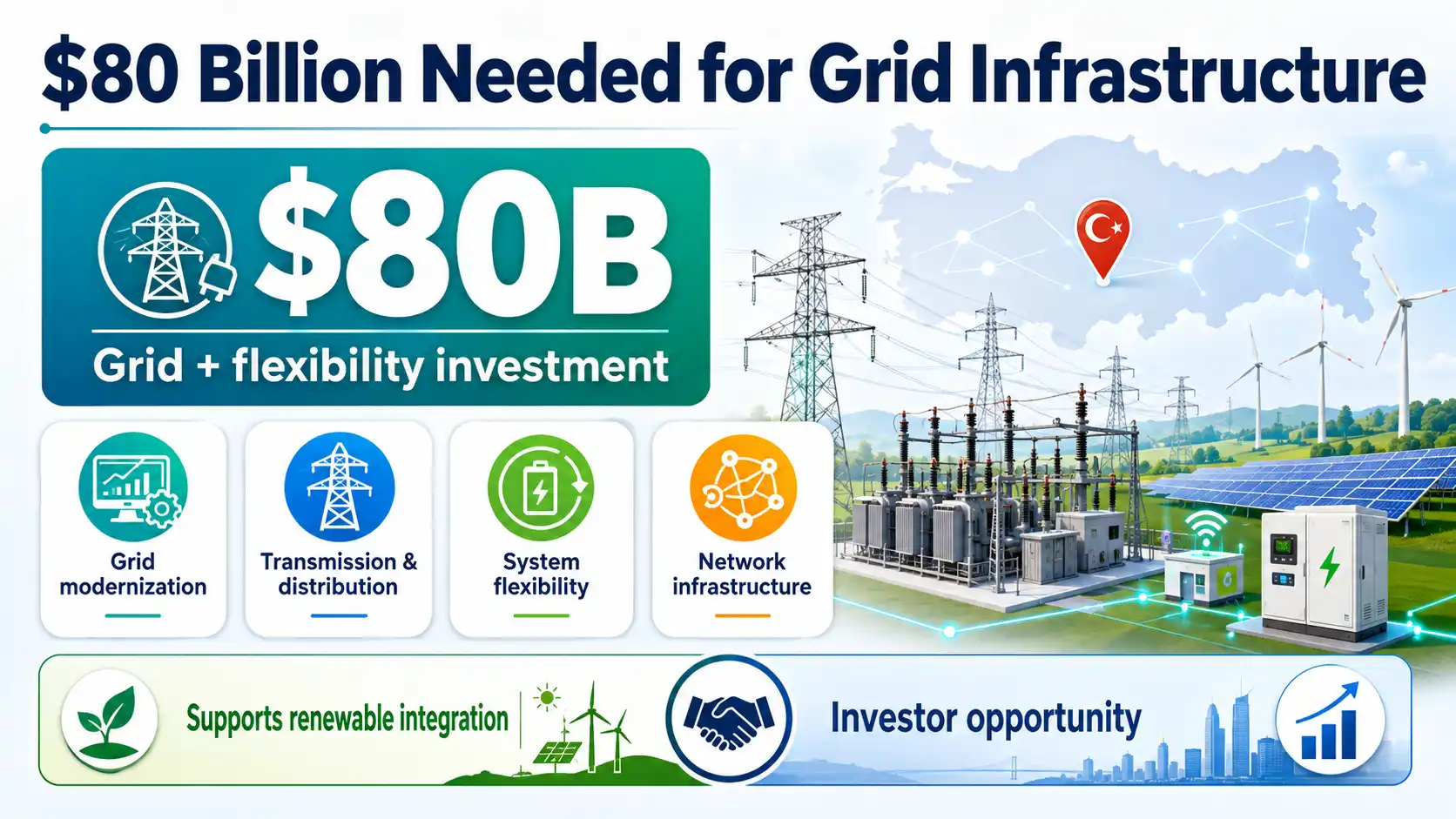
Of the estimated $200 billion financing requirement, around $80 billion is expected to be directed toward system flexibility, grid modernization, transmission, distribution and wider network infrastructure.
The report identifies grid investment as an important requirement for integrating increasing amounts of renewable generation into the electricity system.
The planned investment pipeline therefore extends beyond power generation to include the infrastructure needed to support a more flexible and modern electricity network.
The report also highlights the broader opportunities available to international investors as Türkiye expands its energy infrastructure and works toward its longer-term energy transition goals.
Renewables Already Account for 62% of Capacity
Türkiye enters the energy transition with renewable energy already representing a significant share of its electricity system.
Renewables accounted for 62% of installed electricity capacity in 2025. Hydropower capacity stood at 32.3 GW, while solar capacity reached 25.6 GW and wind capacity reached 14.8 GW.
Solar capacity increased by 5,380 MW in 2025, supplying 10.5% of the country’s electricity generation. Wind capacity increased by 1,909 MW and supplied 11.1% of generation.
Overall, renewable energy accounted for 43.4% of electricity generation in 2025, when total generation reached 356 TWh.
Electricity demand stood at 359 TWh, with demand projected to reach 455 TWh and 510 TWh under the report’s projections.
Türkiye also accounted for approximately 30% of Europe’s total electricity demand growth in 2025.
Battery Storage Creates New Investment Opportunities
Battery energy storage is emerging as another important part of Türkiye’s energy investment pipeline.
As of early 2026, there were 372 pre-licensed solar projects totaling 14.3 GWh of storage and 252 wind projects totaling 19.7 GWh.
The development of storage capacity is expected to support greater system flexibility as the share of intermittent renewable generation increases.
The report identifies battery storage and EV charging infrastructure as emerging investment opportunities alongside traditional electricity generation.
Electric Vehicle Market Expands
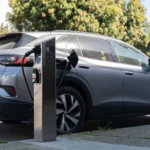
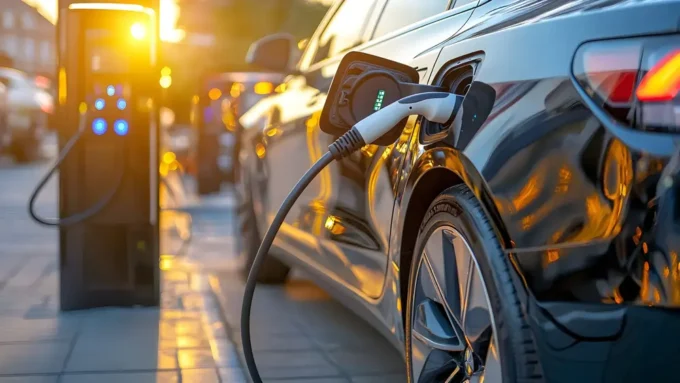
Türkiye’s growing electric vehicle market is also creating demand for additional charging infrastructure.
The country had 373,733 electric vehicles in 2025, compared with 7,698 in 2021. Electric and hybrid vehicles accounted for 25% of vehicle sales during 2025.
Türkiye had approximately 39,000 charging stations in 2025, while total installed charging capacity reached 20.9 GW in early 2026.
Under a high-growth scenario, Türkiye’s electric vehicle fleet could reach 7 million by 2035.
This expansion is expected to create additional investment opportunities in charging infrastructure, electricity networks and other supporting technologies.
Investment Opportunities in Türkiye’s Energy Transition
The report points to several areas where domestic and international investors could participate in Türkiye’s energy transition.
These include renewable power generation, grid modernization, energy efficiency, battery storage, EV charging infrastructure and domestic energy-production capacity.
Presidential Investment and Finance Office President Ahmet Burak Daglioglu said Türkiye continues to pursue its objective of becoming one of the leading countries in the global energy transition.
He highlighted the country’s industrial infrastructure, strategic geographic position and role in regional energy networks as factors supporting its investment potential.
Daglioglu said the rapid expansion of renewable energy, grid modernization, energy efficiency, storage and domestic production capacity presents significant opportunities for investors.
Supporting Türkiye’s 2053 Net-Zero Goal
Türkiye’s energy investment plans form part of its broader objective of reaching net-zero emissions by 2053.
The government aims to attract international capital, advanced technologies and strategic partnerships to support the country’s energy transition.
The Energy Sector Report 2026 is intended to provide domestic and international investors with a broader view of Türkiye’s energy ecosystem and investment opportunities.
As renewable generation expands, investments in transmission, distribution, storage and electrification infrastructure will become increasingly important to support the country’s growing electricity demand.
Outlook
Türkiye’s planned $200 billion energy investment pipeline through 2035 creates a broad climate and energy investment opportunity spanning renewable generation, nuclear power, electricity infrastructure, storage and transport electrification.
The target of 120 GW of combined wind and solar capacity by 2035 will require sustained annual additions, while approximately $80 billion in planned grid and flexibility investment highlights the scale of infrastructure required to support the transition.
With renewable energy already accounting for 62% of installed capacity, Türkiye is entering the next phase of its transition from an established renewable base.
The expansion of battery storage and electric vehicle infrastructure could further increase investment opportunities as the country works toward its 2053 net-zero emissions objective.
FAQs
1. How much does Türkiye plan to invest in its energy transition?
Türkiye plans to invest approximately $200 billion through 2035 in electrification infrastructure, wind, solar, nuclear power and related energy projects.
2. What is Türkiye’s renewable energy target for 2035?
Türkiye aims to increase its combined wind and solar installed capacity to 120 GW by 2035, requiring around 8–9 GW of new capacity annually.
3. How much will Türkiye invest in grid modernization?
Approximately $80 billion of the total energy transition financing requirement is expected to support grid modernization, system flexibility, transmission, distribution and wider network infrastructure.
4. What other energy investments are emerging in Türkiye?
Beyond wind and solar, battery energy storage, EV charging infrastructure, energy efficiency and nuclear power are identified as important investment areas as Türkiye works toward its 2053 net-zero emissions target.
Your financial future isn’t something you wait for—it’s something you build.
The real question is: when do you begin?
Move beyond simply staying informed.
Navigate the markets with clarity—track trends through the Serrari Group Market Index, uncover opportunities in the Serrari Marketplace, and build practical knowledge with our Curated Wealth Builder Platform.
Stay connected to what truly matters.
Get daily insights on macro trends and financial movements across Kenya, Africa, and global markets—delivered through the Serrari Newsletter.
Growth opens doors.
Advance your career through professional programs including ACCA, HESI A2, ATI TEAS 7 , HESI EXIT , NCLEX – RN and NCLEX – PN, Financial Literacy!🌟—designed to move you forward with confidence.
See where money is flowing—clearly and in real time.
Track Money Market Funds, Treasury Bills, Treasury Bonds, Green Bonds, and Fixed Deposits, alongside global and African indexes, key economic indicators, and the evolving Crypto and stablecoin landscape—all within Serrari’s Market Index.