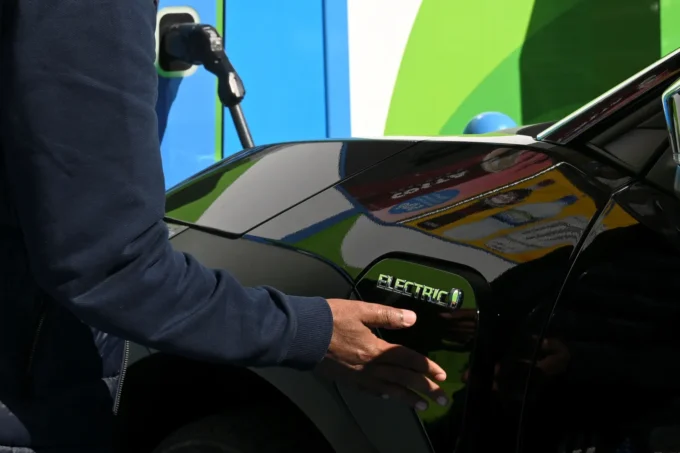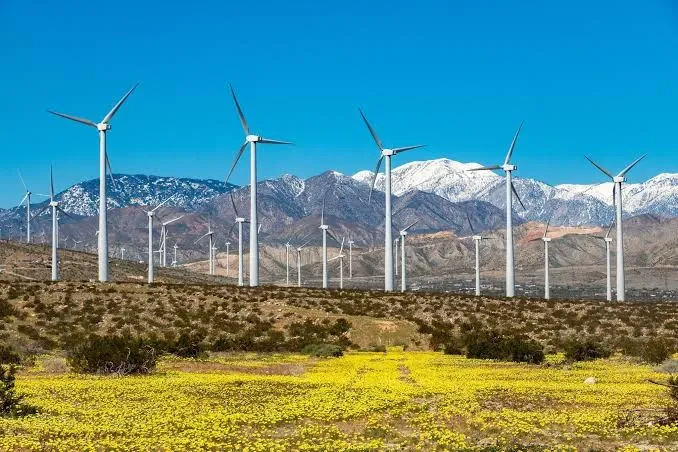
Turkey is expanding renewable energy ahead of COP31, with wind and solar capacity targeted to triple from around 40 gigawatts to 120 gigawatts by 2035. Wind and solar are already contributing significantly to electricity generation, and projects such as the Catalca wind farm and Kalyon Karapınar solar plant demonstrate the scale of the country’s clean energy infrastructure. However, coal remains Turkey’s largest source of electricity, and the country has not set a date to phase out fossil fuels. The challenge at COP31 will be turning renewable energy growth into a transition that reduces fossil fuel generation, strengthens energy security and aligns with Turkey’s 2053 net-zero commitment.
Key Takeaways
- Turkey plans to increase installed wind and solar capacity from around 40 GW to 120 GW by 2035.
- Wind and solar are expanding, but coal remains the country’s largest source of electricity.
- Coal accounted for 33.5% of electricity production in 2025, with nearly two-thirds of coal reportedly imported.
- Renewable projects such as Catalca and Kalyon Karapınar show the scale of Turkey’s clean energy infrastructure.
- Storage, grid upgrades and reliable baseload capacity are key to reducing coal dependence.
- COP31 will test whether Turkey can translate climate pledges into practical implementation.
Turkey’s Clean Energy Expansion Meets a Fossil Fuel Challenge
Turkey is preparing to host COP31 as it expands its renewable energy capacity, placing the country’s energy transition under heightened international scrutiny. Its wind and solar projects demonstrate progress in generating cleaner electricity, but the continued dominance of coal raises questions about whether renewable growth is reducing fossil fuel use or mainly meeting rising electricity demand.
Energy Minister Alparslan Bayraktar has outlined plans to triple Turkey’s installed solar and wind capacity from around 40 gigawatts to 120 gigawatts by 2035. The ambition signals a major expansion of clean power infrastructure, at a time when electrification is emerging as a central theme of the climate summit.
The scale of the transition is already visible. Last year, 43 percent of Turkey’s electricity came from clean energy sources, while wind and solar accounted for around 22 percent, according to energy think tank Ember. Yet the country’s progress in renewables sits alongside a persistent reliance on fossil fuels.
Coal-fired power plants accounted for “33.5 percent of Turkey’s electricity production in 2025.” Turkey is still building coal-fired plants and has not set a date for phasing out fossil fuels, leaving a central tension between its clean energy ambitions and its existing power system.
Wind and Solar Projects Show What Turkey Can Achieve
Turkey’s renewable expansion is not only a future target. Existing projects show how wind and solar are already contributing to electricity supply and reducing emissions.
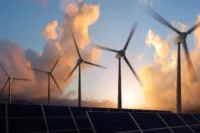
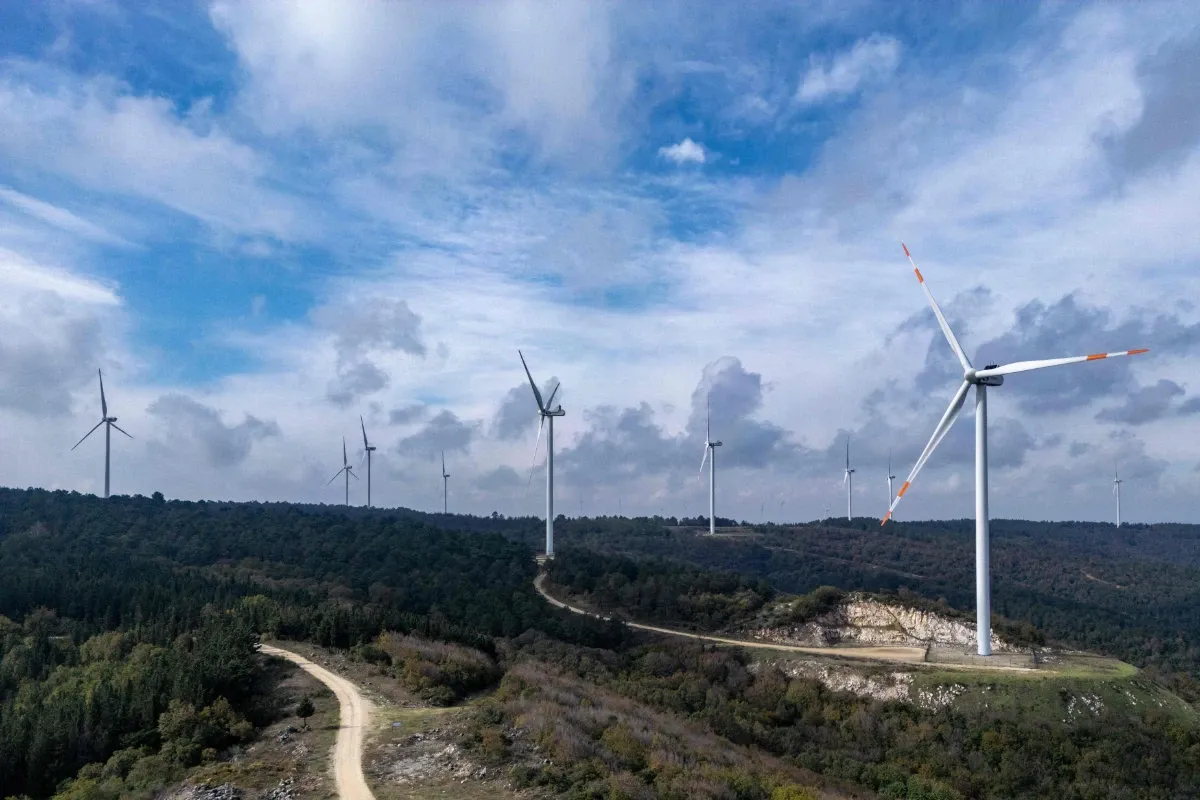
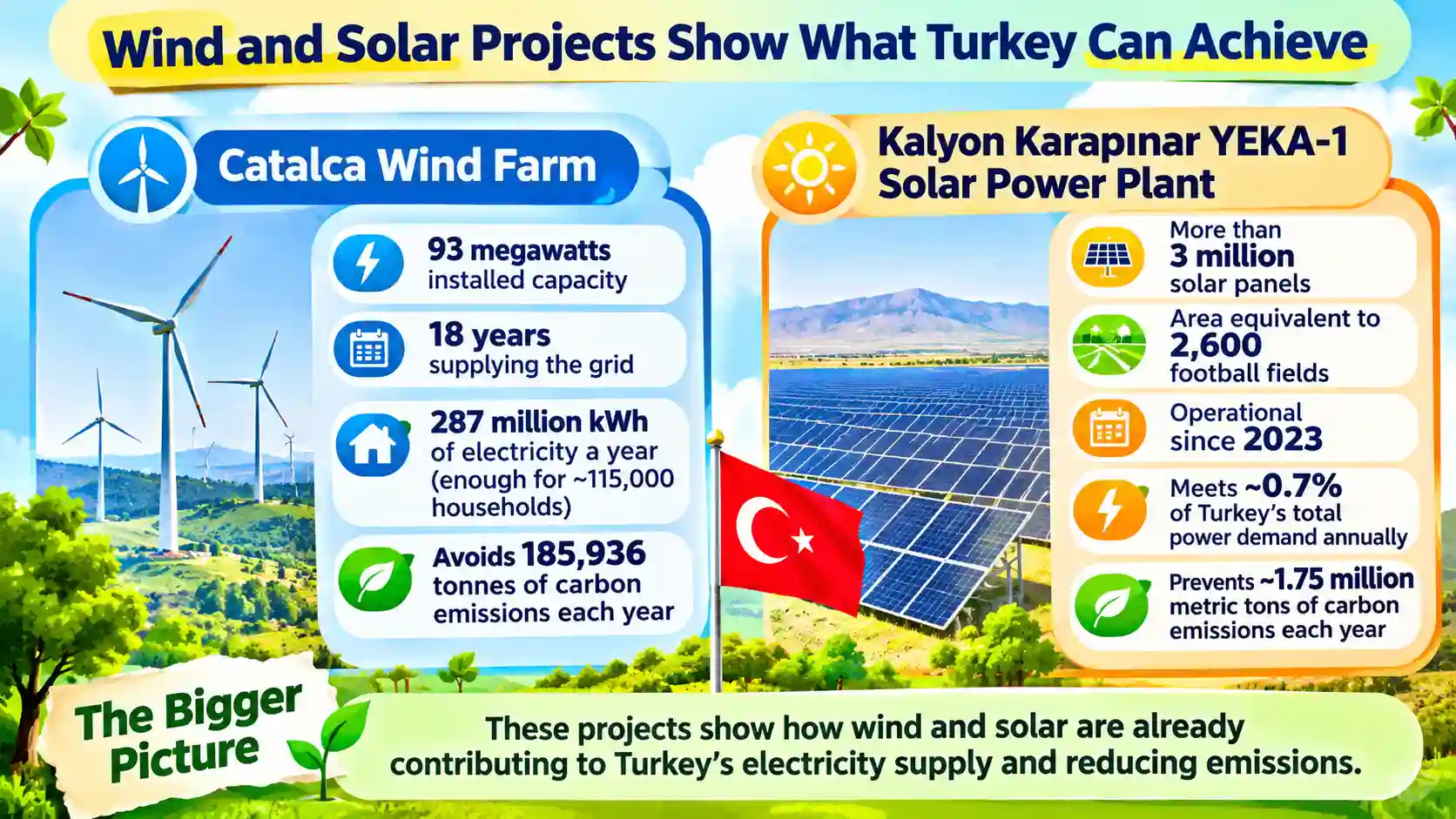
The Catalca wind farm, located northwest of Istanbul, has been feeding electricity into the grid for 18 years. With an installed capacity of 93 megawatts, it generates 287 million kilowatt-hours of electricity a year, enough for around 115,000 households. Its operator says the facility avoids 185,936 tonnes of carbon emissions each year by replacing electricity that would otherwise come from fossil fuel-fired power plants.
Catalca is now one of nearly 300 wind farms in Turkey. Its development illustrates how renewable infrastructure can become a meaningful part of the national electricity system over time.
Solar power is also expanding. In Konya, the Kalyon Karapınar YEKA-1 Solar Power Plant contains more than 3 million solar panels spread across an area equivalent to 2,600 football fields. Operational since 2023, the facility generates enough electricity annually to meet around 0.7% of Turkey’s total power demand and prevents approximately 1.75 million metric tons of carbon emissions each year.
These projects demonstrate the potential of renewable generation to contribute to electricity supply and emissions reduction. But their climate benefits depend in part on whether clean electricity displaces fossil-fuel generation rather than simply serving additional demand.
Why Coal Remains Difficult to Replace
Turkey’s reliance on coal is rooted partly in its need for dependable electricity and affordable energy. Electricity demand is rising, while the power system must provide a continuous supply even when wind and solar output fluctuates.
Energy consultant Emin Emrah Danis has described the need for “baseload” generation to deliver constant power around the clock as a key factor shaping Turkey’s energy policy. The country has invested heavily in gas- and coal-fired power plants over the past three decades to meet that need.
Coal also intersects with energy security. Turkey imports significant quantities of oil, natural gas and coal from countries including Russia, Iran and Azerbaijan. The government has argued that securing affordable supplies and reducing import dependence are priorities.
However, imported coal leaves Turkey exposed to external supply risks, while continued investment in coal infrastructure could prolong fossil-fuel dependence. As Duygu Kutluay of Beyond Fossil Fuels has warned, “As Turkey increases renewable capacity, it must ensure clean electricity replaces fossil-fuel generation rather than simply meeting additional demand.”
That is the central challenge: renewable capacity can grow rapidly while coal remains a major part of the electricity mix unless the country also changes how its power system operates.
Storage, Grid Upgrades and Nuclear Power Could Shape the Transition
A shift away from coal requires more than building wind turbines and solar panels. Turkey also needs infrastructure that can manage variable renewable output and deliver electricity when generation is low.
Danis has argued that Turkey needs substantial investment in electricity storage and nuclear power for coal’s share of generation to fall meaningfully. Battery storage can help balance renewable supply, while grid upgrades are needed to accommodate a larger share of wind and solar.
Turkey is also developing nuclear power as part of its energy strategy. The first reactor at the Akkuyu nuclear power plant is expected to come online by the start of 2027, with two additional plants in the pipeline. However, nuclear capacity is not expected to replace coal-fired generation at scale in the near term. Danis has estimated that nuclear power may not provide enough baseload capacity to replace coal before around 2040, while a full coal phase-out could remain infeasible before the mid-2050s.
The timeline underscores how difficult it will be to align new infrastructure, energy security and climate goals. Turkey’s transition will depend on whether investment in renewables, storage, grids and other generation can reduce coal use—not merely add new capacity alongside it.
Context is everything. Stay ahead of shifting trends with today’s market updates, and uncover emerging opportunities using the Serrari Group Market Index and Marketplace. Then, take control of your own financial future by exploring our Money & Life Reset Transformation Blueprint ™ to build stronger habits, create better systems, and design a path toward lasting wealth.
COP31 Puts Turkey’s Climate Commitments Under Scrutiny
COP31, scheduled to take place in Antalya from November 9 to 20, will bring renewed attention to the gap between Turkey’s renewable energy growth and its continued fossil fuel reliance.
Turkey has called for an implementation-focused summit that turns existing climate commitments into practical action. Environment and Climate Change Minister Murat Kurum has said the goal is to help countries implement previous decisions rather than simply announce new targets. Turkey plans to promote a “climate implementation bridge” connecting countries with financing, technology and other support.
That emphasis is particularly relevant to Turkey’s own climate pathway. The country has committed to achieving net-zero emissions by 2053, but campaigners argue that its plans lack a roadmap for phasing out coal and other fossil fuels. Turkey’s greenhouse gas emissions reached 584.5 million metric tons of CO₂ equivalent in 2024, the latest year available in the provided material.
The summit also takes place amid heightened concern over energy security, rising oil and gas prices and the effects of geopolitical tensions. These pressures can strengthen the case for domestic renewable energy, but they can also make governments reluctant to retire existing fossil-fuel infrastructure.
The Wider Climate and Energy Security Stakes
Turkey’s energy choices matter beyond its electricity sector. Like other Mediterranean countries, it faces increasing exposure to heatwaves, drought, water shortages, wildfires and flooding. Last month, severe flooding in Istanbul followed rainfall described as the heaviest in more than 80 years and left eight people dead.
Renewables can help reduce emissions while strengthening energy security by lowering dependence on imported fuels. As Turkish Wind Energy Association President Ibrahim Erden has said, renewables are “an important means of strengthening energy security and reducing dependence on foreign supplies.”
But the transition’s credibility will depend on whether the country’s clean energy growth is accompanied by a clear reduction in fossil-fuel generation. The challenge is not simply to build more renewable capacity; it is to build the infrastructure and policy framework that allows that capacity to replace coal and gas.
Outlook
Turkey enters COP31 with substantial renewable energy progress and ambitious plans to expand wind and solar. Its projects show that clean electricity can supply households and reduce emissions at scale.
Yet coal remains deeply embedded in the country’s power system, and the absence of a fossil-fuel phase-out date leaves uncertainty over how its climate ambitions will be achieved. Storage, grid investment, nuclear development and policies that ensure renewables displace fossil fuels will be crucial.
COP31 will offer Turkey an opportunity to demonstrate that its renewable energy expansion is more than a capacity-building effort—that it is part of a credible pathway toward lower emissions, stronger energy security and its 2053 net-zero goal.
FAQs
What is Turkey’s renewable energy target for 2035?
Turkey plans to increase installed solar and wind capacity from around 40 GW to 120 GW by 2035.
How much electricity does coal generate in Turkey?
Coal accounted for 33.5% of Turkey’s electricity production in 2025, making it the country’s largest electricity source.
Why is Turkey continuing to use coal while expanding renewables?
Turkey faces rising electricity demand and needs reliable, around-the-clock power. Its existing infrastructure and concerns about affordable energy and import dependence also contribute to continued coal use.
What role could storage play in Turkey’s energy transition?
Battery storage can help balance variable wind and solar generation and support a power system with a larger share of renewable electricity.
What is the significance of COP31 for Turkey?
COP31 places Turkey’s climate commitments and energy policies under international scrutiny. The summit is expected to focus on implementing existing pledges, including through financing, technology and practical support.
Your financial future isn’t something you wait for—it’s something you build.
The real question is: when do you begin?
Move beyond simply staying informed.
Navigate the markets with clarity—track trends through the Serrari Group Market Index, uncover opportunities in the Serrari Marketplace, and build practical knowledge with our Curated Wealth Builder Platform.
Stay connected to what truly matters.
Get daily insights on macro trends and financial movements across Kenya, Africa, and global markets—delivered through the Serrari Newsletter.
Growth opens doors.
Advance your career through professional programs including ACCA, HESI A2, ATI TEAS 7 , HESI EXIT , NCLEX – RN and NCLEX – PN, Financial Literacy!🌟—designed to move you forward with confidence.
See where money is flowing—clearly and in real time.
Track Money Market Funds, Treasury Bills, Treasury Bonds, Green Bonds, and Fixed Deposits, alongside global and African indexes, key economic indicators, and the evolving Crypto and stablecoin landscape—all within Serrari’s Market Index.