Kenya Electricity Generating Company (KenGen) plans to add 250MW of renewable electricity to the national grid by 2027 to strengthen power supply and support industrial growth. The projects include geothermal, solar and hydropower developments, alongside feasibility studies in wind and floating solar. The company is also pursuing a 5,540MW renewable energy pipeline by 2034 and seeking approximately US$12 billion to finance new power plants and infrastructure. Its plans come as electricity demand rises and investors develop projects at the KenGen Green Energy Park in Olkaria, including a geothermal-powered fertiliser plant expected to create more than 2,000 jobs.
Key Takeaways
- KenGen targets 250MW of additional renewable electricity by 2027, alongside 100MWh of battery storage.
- Projects include an 80.3MW geothermal development, a 42.5MW solar plant and hydropower developments.
- The company is seeking approximately US$12 billion to finance new power generation and infrastructure projects.
- KenGen has a pipeline of 5,540MW of renewable capacity planned by 2034.
- The Green Energy Park in Olkaria is attracting industrial investment, including a fertiliser plant powered by 165MW of geothermal energy.
- Kenya is exploring opportunities in wind, floating solar and nuclear energy as it seeks to expand electricity supply.
KenGen Plans to Add 250MW of Renewable Electricity by 2027
Kenya Electricity Generating Company (KenGen) is targeting an additional 250 megawatts of renewable electricity for the national grid by 2027 as the country works to meet rising power demand and support industrial growth.
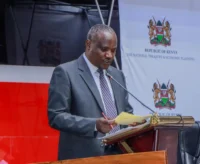
KenGen Managing Director and Chief Executive Officer Eng. Peter Njenga said the company was advancing geothermal, solar and hydroelectric projects to meet the target, while exploring wind and floating solar opportunities.
Speaking at the KenGen Sustainable Energy Conference 2026 in Olkaria, Naivasha, Njenga outlined the company’s generation expansion plans, including projects at different stages of development.
He said the company had already injected 63.3MW into the national grid from Olkaria. The rehabilitated 63.3MW Olkaria I geothermal plant is complete, with President William Ruto expected to commission it on December 7.
“We are targeting a total of 250mw by 2027, and this will be sourced from various sources including geothermal, solar and wind,” Njenga said.
The expansion forms part of a wider renewable energy pipeline of 5,540MW that KenGen plans to develop by 2034.
Geothermal, Solar and Hydropower Projects Form the Expansion Plan
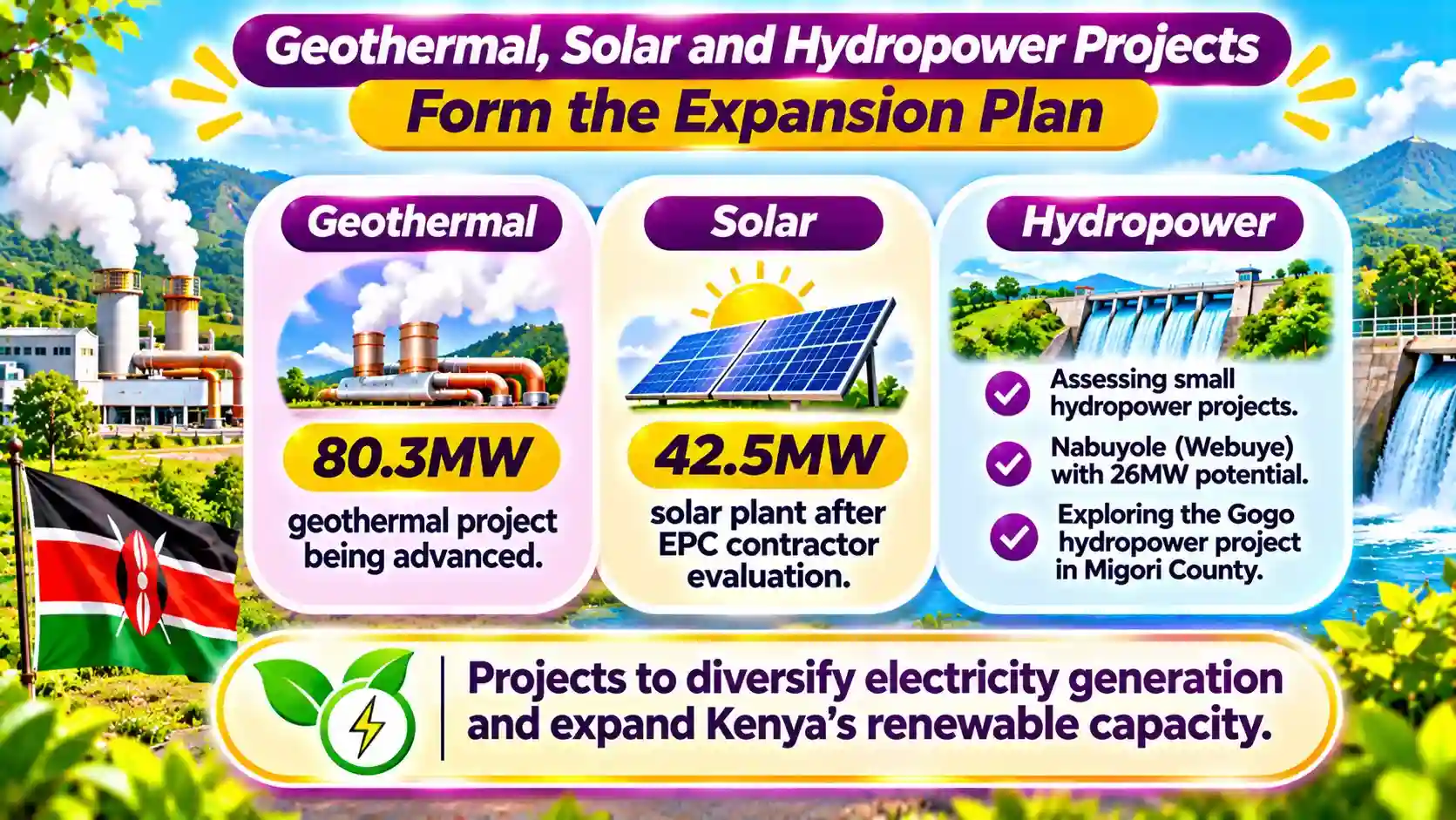
KenGen’s near-term plans include several projects intended to increase electricity generation from renewable sources.
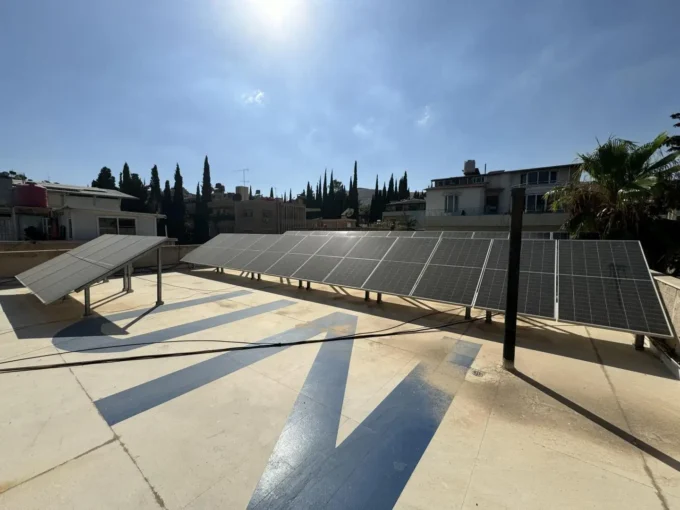
Njenga said the company had completed evaluating Engineering, Procurement and Construction (EPC) contractors for a 42.5MW solar plant to be built alongside its hydropower stations.
The company is also advancing an 80.3-megawatt geothermal project expected to connect to the national grid.
Hydropower developments form another part of the programme. KenGen is assessing opportunities for small hydropower projects across the country, with hydrological challenges prompting feasibility studies at potential sites.
One of the identified locations is Nabuyole in Webuye, which has been assessed as capable of producing 26MW.
The company is also exploring the Gogo hydropower project in Migori County.
These developments are part of KenGen’s efforts to diversify electricity generation sources while expanding its renewable energy capacity.
KenGen Explores 1,000MW Wind Potential in Marsabit
KenGen is also looking towards wind energy as part of its longer-term generation plans.
Njenga said Marsabit’s wind speeds could yield approximately 1,000MW, with the company planning to start with a 200MW project.
“We are targeting a total of 250mw by 2027, and this will be sourced from various sources including geothermal, solar and wind,” he said.
The company has also completed a feasibility study on floating solar panels on its reservoirs.
Njenga noted that the water’s cooling effect would enable the panels to generate more power, adding another potential source of renewable electricity to KenGen’s project pipeline.
The feasibility work in wind and floating solar reflects the company’s intention to explore additional generation opportunities alongside its established geothermal and hydropower operations.
Context is everything. Stay ahead of shifting trends with today’s market updates, and uncover emerging opportunities using the Serrari Group Market Index and Marketplace. Then, take control of your own financial future by exploring our Money & Life Reset Transformation Blueprint ™ to build stronger habits, create better systems, and design a path toward lasting wealth.
KenGen Seeks US$12 Billion to Finance Power Projects
Financing remains a major requirement for KenGen’s expansion plans.
The company is seeking about 12 billion US dollars, mainly for power plants and infrastructure, and is engaging financial institutions including KCB Group and Stanbic Bank.
The financing is intended to support new generation capacity and infrastructure needed to deliver the company’s renewable energy targets.
Njenga said the company was engaging financiers to help achieve its plans. However, no financing commitments were announced.
KenGen is also considering public-private partnerships and special purpose vehicles to attract private capital into capital-intensive projects, including its planned nuclear energy programme.
“Africa does not lack the steam, does not lack the sun, the wind, or the water. What it needs is capital, partnerships, and the courage to build at scale,” Njenga said.
The financing requirement highlights the scale of investment needed to develop new power plants and expand electricity infrastructure.
Olkaria Green Energy Park Attracts Industrial Investors
Beyond electricity generation, KenGen’s Green Energy Park in Olkaria is expected to support industrial development through access to geothermal power.
Njenga said investors had already started developing their investments at the park, which has been designated a special economic zone offering tax incentives.
One of the developments is a green fertiliser plant by Kaishan Group, powered by 165MW of geothermal energy.
The plant is expected to create more than 2,000 direct and indirect jobs.
Other planned investments include steel fabrication facilities and electric vehicle assembly.
The development demonstrates how geothermal electricity can support industrial activity beyond supplying power to households and businesses.
By providing energy to industrial investors, the park is intended to connect Kenya’s renewable energy resources with manufacturing and employment opportunities.
KenGen’s Geothermal Expertise Extends Beyond Kenya
Kenya’s geothermal experience is also supporting projects beyond its borders.
Njenga said KenGen’s years of geothermal expertise had benefited projects in Djibouti, Ethiopia, Rwanda, Tanzania and Eswatini, as well as Bhutan in Asia.
The company is continuing to work with countries seeking to harness geothermal energy for electricity generation.
Kenya has an estimated geothermal potential of 10,000MW, although only a fraction has been tapped.
Njenga said more than 90% of KenGen’s installed capacity of 1,786MW was renewable.
This experience places geothermal energy at the centre of the company’s domestic expansion plans and its regional technical cooperation.
Canada Signals Continued Cooperation in Kenya’s Energy Sector
Canada has also expressed interest in continuing its energy partnership with Kenya, including cooperation in geothermal and nuclear energy.
Sophie Price, Head of Cooperation at the Canadian High Commission, said Canada and Kenya had been partners for more than 60 years and that Canada wanted to re-engage heavily in the energy sector through research, skills development and learning from Kenya’s geothermal experience.
“Canada is looking at opportunities to help support Kenya in its journey forward on nuclear,” she said.
Price also cited Canada’s research laboratories and its experience operating the world’s largest nuclear plant, highlighting the country’s potential to share nuclear expertise with Kenya.
Deputy Canadian High Commissioner to Kenya Junalar Green also said Canada was exploring opportunities to support Kenya’s energy transition, including potential financing and commercial partnerships.
No specific funding commitment was announced.
EPRA Moves to Deepen Competition in the Electricity Market
The expansion of electricity generation is taking place alongside regulatory changes intended to deepen competition and encourage private sector participation.
Energy and Petroleum Regulatory Authority (EPRA) Director of Economic Regulation Dr John Mutua said approximately 60% of electricity generated in Kenya came from KenGen.
He said EPRA had gazetted the Electricity Market, Bulk Supply and Open Access Regulations to deepen competition in the electricity sector.
“As a regulator, we’ll keep to our mandates, ensure that we match the needs of the investors, and also protect consumers, at the same time ensuring that we have a sustainable energy sector,” Mutua said.
The regulations form part of efforts to develop the electricity market while balancing investment requirements with consumer protection.
The Bigger Picture: Renewable Power and Industrial Growth
KenGen’s 250MW target is part of a much larger plan to expand Kenya’s electricity supply through renewable energy.
The company’s 5,540MW pipeline by 2034 includes geothermal, solar, hydropower and wind opportunities. Its Green Energy Park also demonstrates how renewable electricity can support industrial investments, including fertiliser manufacturing, steel fabrication and electric vehicle assembly.
However, delivering these plans will require substantial capital, infrastructure development and coordination between government, private investors, lenders and regulators.
The company’s search for approximately US$12 billion highlights the financing challenge behind its ambitions.
The wider objective is not only to generate more electricity but also to provide the energy needed to support industrial development and economic activity.
Why Does This Matter Now?
Kenya’s electricity demand is rising, while the country is seeking to expand its industrial base and attract investment into manufacturing and other energy-intensive activities.
Additional generation capacity is important because businesses and investors need reliable electricity to operate and expand.
For industrial investors at Olkaria, access to geothermal power provides an opportunity to develop projects using locally available renewable energy. The planned fertiliser plant, expected to create more than 2,000 jobs, illustrates the potential connection between electricity generation, manufacturing and employment.
For the energy sector, KenGen’s expansion also creates opportunities for project financiers, engineering contractors and private investors. However, the company’s financing requirement shows that the projects will depend on securing sufficient capital.
The regulatory changes introduced by EPRA are equally relevant because deeper competition and open access could influence how electricity is supplied and how private players participate in the market.
Outlook: Financing and Project Delivery Will Determine KenGen’s Targets
KenGen’s immediate target is to add 250MW of renewable electricity by 2027, with a longer-term pipeline of 5,540MW by 2034.
The next steps include advancing geothermal and solar developments, progressing hydropower feasibility studies and pursuing wind and floating solar opportunities.
The company will also need to secure financing for its power generation and infrastructure programme. Engagements with financial institutions, including KCB Group and Stanbic Bank, are part of this effort, although no financing commitments have been confirmed.
For Kenya, the success of these projects will depend on whether planned developments move from feasibility and preparation into construction, commissioning and electricity supply.
KenGen’s plans point to a larger role for renewable energy in supporting the country’s electricity needs and industrial ambitions. The scale of the pipeline is significant, but financing and implementation will determine how much of that capacity reaches the national grid.
Frequently Asked Questions
1. How much additional electricity does KenGen plan to add by 2027?
KenGen is targeting an additional 250MW of renewable electricity for the national grid by 2027, alongside 100MWh of battery storage.
2. Which renewable energy projects is KenGen developing?
The company’s plans include geothermal, solar and hydropower projects, as well as feasibility studies for wind energy and floating solar panels.
3. How much funding is KenGen seeking for its expansion plans?
KenGen is seeking approximately US$12 billion, mainly to finance new power plants and infrastructure projects.
4. What is the purpose of KenGen’s Green Energy Park in Olkaria?
The park is intended to attract industrial investors using geothermal electricity. Planned developments include a green fertiliser plant powered by 165MW of geothermal energy, steel fabrication facilities and electric vehicle assembly.
Your financial future isn’t something you wait for—it’s something you build.
The real question is: when do you begin?
Move beyond simply staying informed.
Navigate the markets with clarity—track trends through the Serrari Group Market Index, uncover opportunities in the Serrari Marketplace, and build practical knowledge with our Curated Wealth Builder Platform.
Stay connected to what truly matters.
Get daily insights on macro trends and financial movements across Kenya, Africa, and global markets—delivered through the Serrari Newsletter.
Growth opens doors.
Advance your career through professional programs including ACCA, HESI A2, ATI TEAS 7 , HESI EXIT , NCLEX – RN and NCLEX – PN, Financial Literacy!🌟—designed to move you forward with confidence.
See where money is flowing—clearly and in real time.
Track Money Market Funds, Treasury Bills, Treasury Bonds, Green Bonds, and Fixed Deposits, alongside global and African indexes, key economic indicators, and the evolving Crypto and stablecoin landscape—all within Serrari’s Market Index.