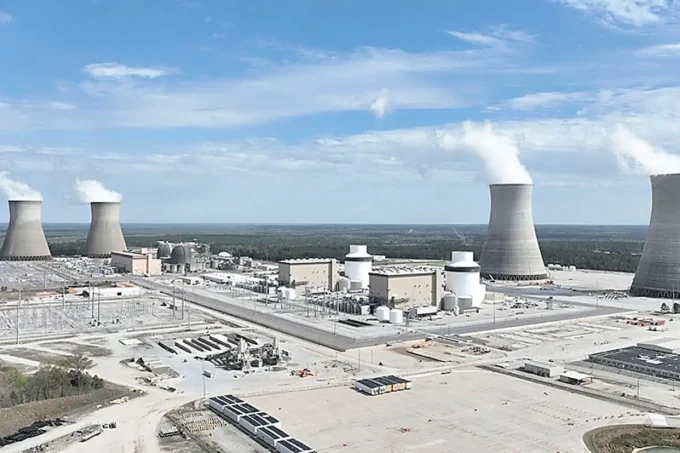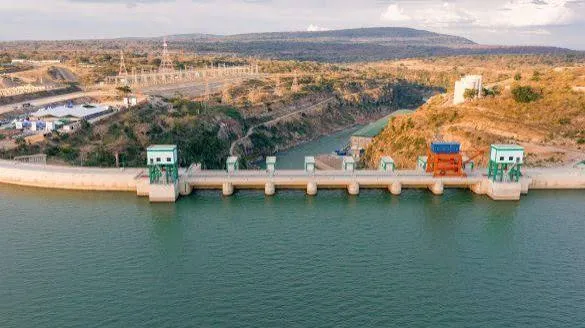
Tanzania has officially commissioned the 2,115 MW Julius Nyerere Hydropower Project (JNHPP) on the Rufiji River. The TZS7.45tn (USD2.8bn) project more than doubles the country’s electricity generation capacity, increasing installed capacity to 4.6 GW against peak demand of 2.27 GW. The resulting 2.38 GW surplus could support electricity exports to neighbouring countries, including Kenya and Zambia.
Key Overview
- Project: Julius Nyerere Hydropower Project
- Capacity: 2,115 MW
- Location: Rufiji River, Tanzania
- Cost: TZS7.45tn (USD2.8bn)
- Construction: June 2019 to March 2025
- Installed national capacity: 4.6 GW
- Peak demand: 2.27 GW
- Potential surplus: 2.38 GW
- Hydropower share: About 60%
- Main dam: Approximately 131m high and more than 1km long
- Reservoir capacity: Around 34 billion m³
Tanzania Commissions 2,115 MW Julius Nyerere Hydropower Project
Tanzania has officially commissioned the 2,115 MW Julius Nyerere Hydropower Project (JNHPP) on the Rufiji River (Tanzanian Ministry of Energy statement, 22/08/2026).
The TZS7.45tn (USD2.8bn) plant, whose construction began in June 2019 and was completed in March 2025, more than doubles Tanzania’s electricity generation capacity.
According to the Ministry of Energy, the country’s installed generation capacity has increased to 4.6 GW, compared with a peak demand of 2.27 GW, creating a surplus of 2.38 GW available for exports.
The government expects the project to improve the reliability of electricity supply after a power generation shortfall that had led to frequent blackouts in the past. Tanzania is already holding discussions to export electricity to neighbouring countries, including Kenya and Zambia.
Hydropower to Account for 60% of Generation
With the commissioning of the Julius Nyerere Hydropower Project, hydropower should account for about 60% of Tanzania’s electricity generation, with most of the remaining output supplied by natural gas-fired power plants.
Located on the Rufiji River in southern Tanzania, the development includes a 2,115 MW powerhouse equipped with nine 235MW vertical Francis turbine-generator units.
Electricity from the plant is connected to Tanzania’s national grid through a 400kV switchyard and transmission infrastructure.
During the inauguration, Hassan and Madbouly toured the powerhouse, switchyard and main dam before unveiling a commemorative plaque marking the project’s commissioning and start of operations.
Project Includes Major Dam and Reservoir
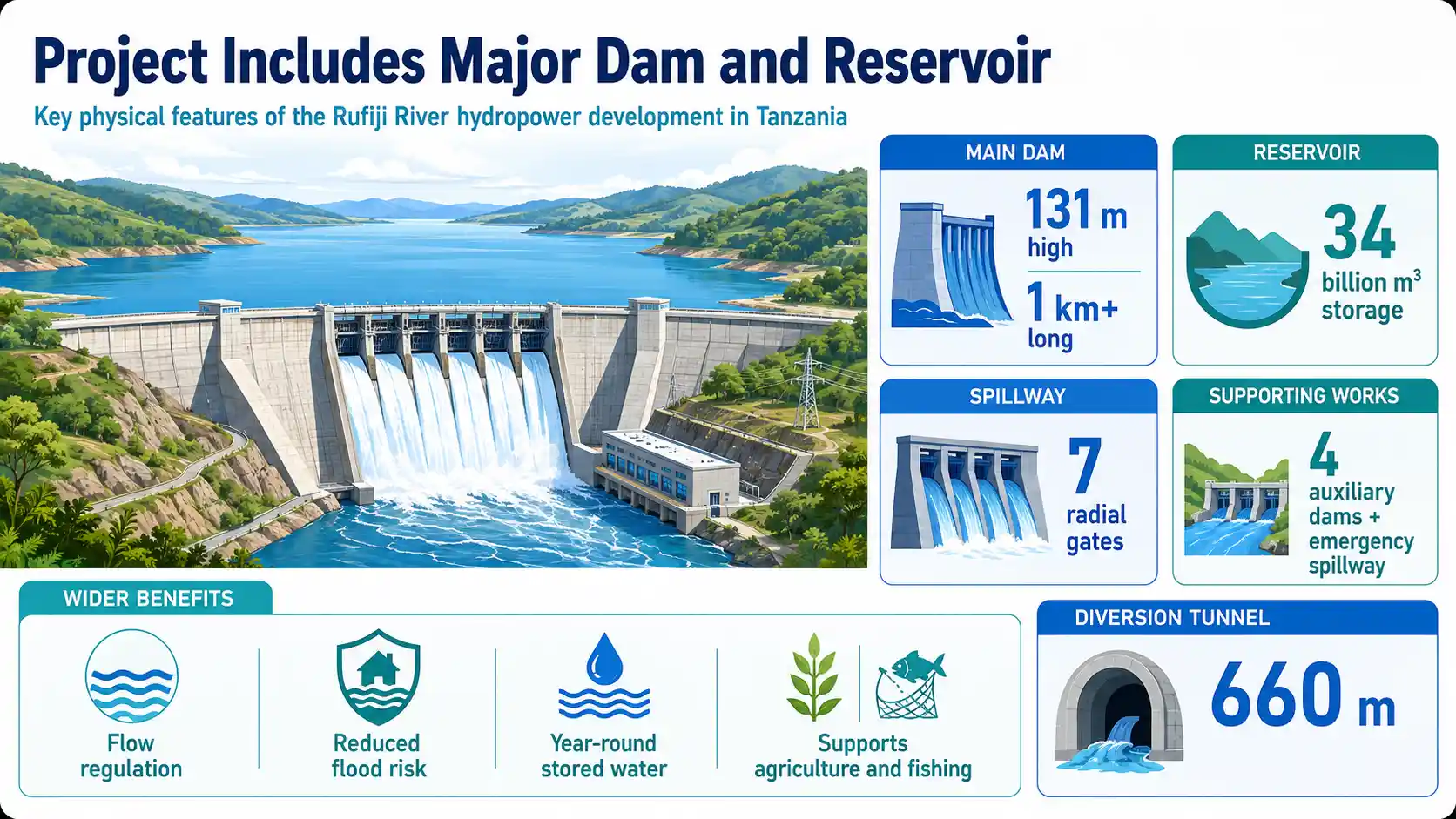
The project includes a roller-compacted concrete main dam across the Rufiji River. The structure is approximately 131m high and more than 1km long, creating a reservoir with a storage capacity of around 34 billion m³.
Seven radial gates form part of the main spillway, while the wider development also includes four auxiliary dams and an emergency spillway.
Other works included a 660m river diversion tunnel, permanent and temporary access roads, a bridge across the Rufiji River and associated control, monitoring and grid connection facilities.
In addition to electricity generation, the scheme is intended to regulate flows on the Rufiji River, reduce flood risks and provide stored water throughout the year. The project is also expected to support agricultural and fishing activities.
Context is everything. Stay ahead of shifting trends with today’s market updates, and uncover emerging opportunities using the Serrari Group Market Index and Marketplace. Then, take control of your own financial future by exploring our Money & Life Reset Transformation Blueprint ™ to build stronger habits, create better systems, and design a path toward lasting wealth.
Egyptian Companies Delivered the Project
The Julius Nyerere development was awarded to Arab Contractors and Elsewedy Electric in December 2018.
Speaking at the inauguration, Madbouly said: “The successful implementation of this major Tanzanian project over 42 months of hard work, at a cost of approximately $2.9bn and with an electricity generation capacity of 2115MW, demonstrates the capabilities and potential of Egyptian companies to implement major projects at the international level, particularly in our sisterly African continent.”
Project Faced Environmental Opposition
Construction of the Julius Nyerere Hydropower Project began in 2019 but faced opposition from conservation groups over concerns about its potential impact on wildlife and habitats downstream.
The dam is located on the Rufiji River, which runs through the Selous Game Reserve, one of Africa’s largest protected areas and home to elephants, black rhinos, cheetahs and diverse habitats, according to UNESCO.
Hassan acknowledged the project’s controversial history but said Tanzania had overcome opposition to complete the development.
“We had no way to abandon this project, given its importance to our nation,” she said.
Outlook
With the Julius Nyerere Hydropower Project now commissioned, Tanzania has significantly increased its electricity generation capacity and created a substantial surplus above current peak demand.
The project is expected to improve electricity supply reliability, support agriculture and fishing, regulate Rufiji River flows and reduce flood risks. At the same time, Tanzania is exploring opportunities to export surplus electricity to neighbouring countries.
With hydropower expected to account for about 60% of Tanzania’s electricity generation, the project will play a major role in the country’s power system alongside natural gas-fired generation.
FAQs
1. What is the capacity of the Julius Nyerere Hydropower Project?
The Julius Nyerere Hydropower Project has an electricity generation capacity of 2,115 MW.
2. How much did the Julius Nyerere Hydropower Project cost?
The project cost is stated at TZS7.45tn (USD2.8bn), while Madbouly referred to a cost of approximately $2.9bn during the inauguration.
3. How much surplus electricity does Tanzania now have?
Tanzania has installed generation capacity of 4.6 GW against peak demand of 2.27 GW, creating a surplus of approximately 2.38 GW.
4. Which countries could receive electricity from Tanzania?
Tanzania is already holding discussions to export electricity to neighbouring countries, including Kenya and Zambia.
Sources: Enerdata, International Water Power, Voice of Nigeria
Your financial future isn’t something you wait for—it’s something you build.
The real question is: when do you begin?
Move beyond simply staying informed.
Navigate the markets with clarity—track trends through the Serrari Group Market Index, uncover opportunities in the Serrari Marketplace, and build practical knowledge with our Curated Wealth Builder Platform.
Stay connected to what truly matters.
Get daily insights on macro trends and financial movements across Kenya, Africa, and global markets—delivered through the Serrari Newsletter.
Growth opens doors.
Advance your career through professional programs including ACCA, HESI A2, ATI TEAS 7 , HESI EXIT , NCLEX – RN and NCLEX – PN, Financial Literacy!🌟—designed to move you forward with confidence.
See where money is flowing—clearly and in real time.
Track Money Market Funds, Treasury Bills, Treasury Bonds, Green Bonds, and Fixed Deposits, alongside global and African indexes, key economic indicators, and the evolving Crypto and stablecoin landscape—all within Serrari’s Market Index.