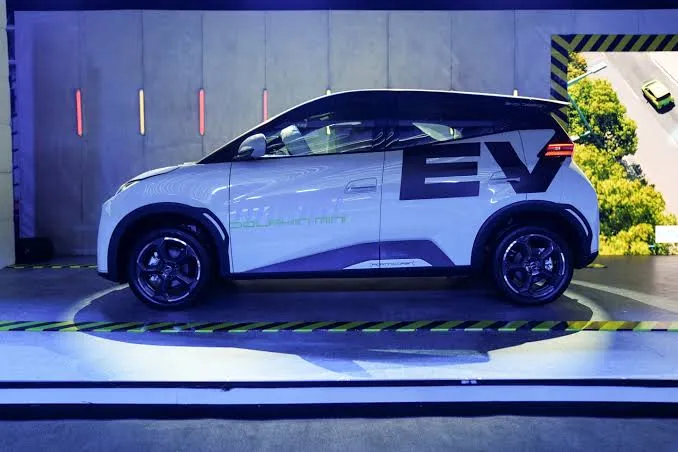
Chinese-made electric vehicles are seeing rapidly growing demand in Tijuana, Mexico, where buyers have access to models that remain scarce in California due to a 100% U.S. import tariff. More than 95,000 electrified vehicles were sold in Mexico during the first half of 2026, up 44% from the same period in 2025. Chinese manufacturers accounted for roughly seven in ten EV sales nationwide. However, Tijuana’s charging infrastructure is struggling to keep pace, with long queues forming at charging stations as EV adoption accelerates.
Key Overview
- Mexico electrified vehicle sales: More than 95,000 in H1 2026
- Year-on-year growth: 44%
- Chinese share of Mexican EV sales: Roughly 70%
- Tijuana charging infrastructure: Facing growing queues
- U.S. tariff: 100% on Chinese-made EV imports
- EV cost savings: Drivers report significantly lower running costs
- Mexico’s policy: National Initiative for the Electrification of Collective Public Transportation (INETPC)
Chinese EVs Gain Ground in Tijuana
Chinese-made electric vehicles are enjoying a sales boom in Tijuana, a Mexican border city just across from California, even as the same vehicles remain difficult to find in the neighboring U.S. state.
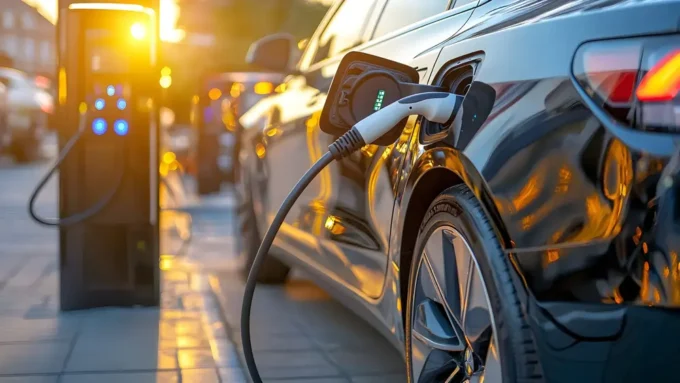
The rapid increase in EV adoption is already putting pressure on Tijuana’s charging infrastructure, with long lines forming at charging stations as more drivers switch from gasoline-powered vehicles to electric models.
“Charging can be a bit of a struggle, there are two chargers and about six cars waiting already,” said EV user Cesar Salazar.
The situation highlights the gap between the rapid growth of EV sales and the development of charging infrastructure needed to support the expanding vehicle fleet.
Chinese Manufacturers Dominate Mexican EV Market
Mexico’s electric vehicle market has experienced strong growth during 2026.
Industrial data shows that more than 95,000 electrified vehicles were sold during the first half of 2026, representing a 44% increase compared with the same period in 2025.
Chinese manufacturers account for a large proportion of those sales. Across Mexico, Chinese-made electric cars represent approximately seven in ten EV sales, demonstrating the growing presence of Chinese automotive companies in the country’s electric mobility market.
The availability of these vehicles in Mexico contrasts sharply with the situation in California, where Chinese-made EVs remain largely absent.
100% U.S. Tariff Limits Chinese EVs in California
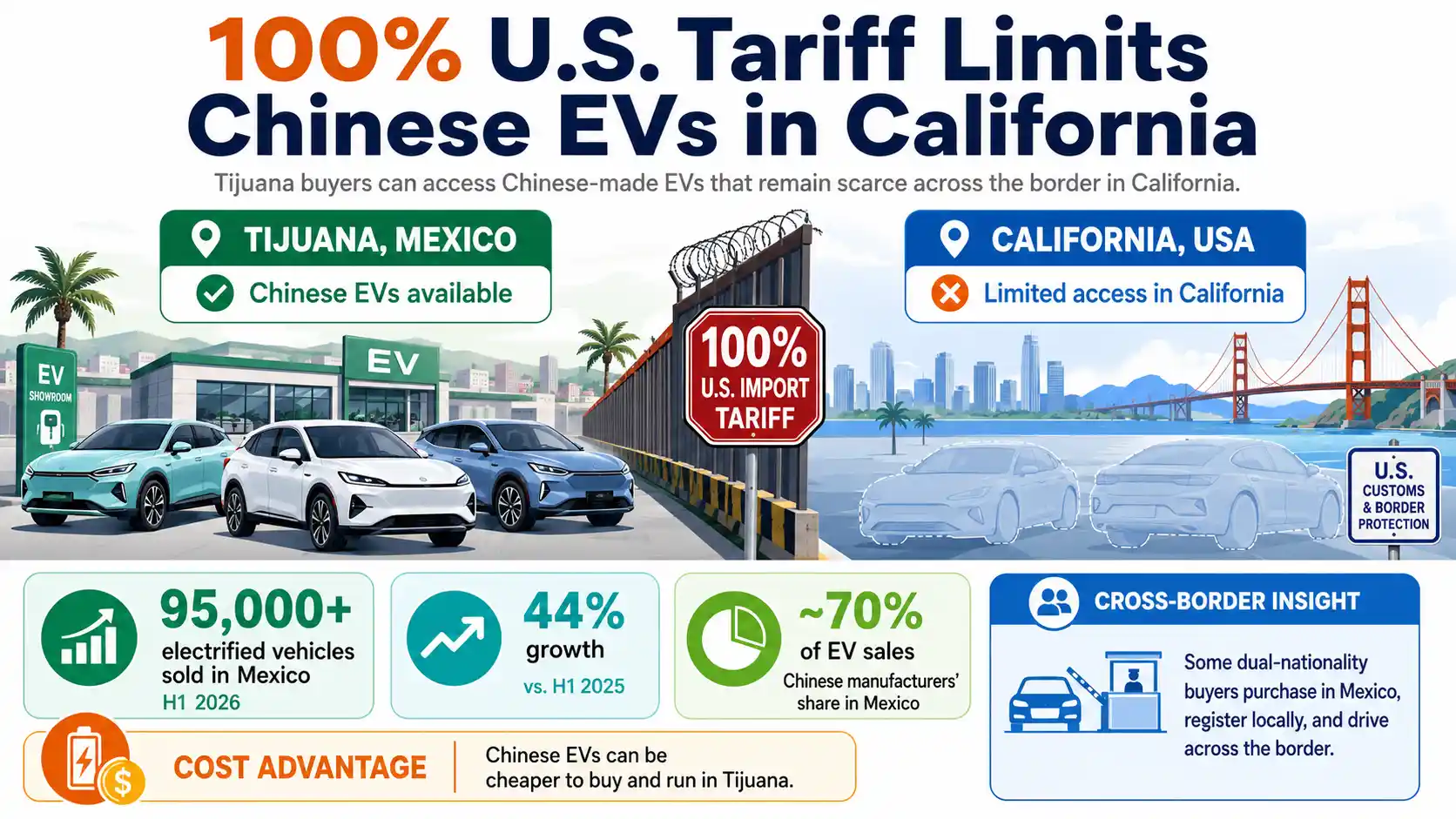
Chinese-made electric vehicles have a significant advantage in the Mexican market because consumers can access models that are effectively unavailable to American buyers in California.
The vehicles face a 100 percent U.S. import tariff, making direct access to the American market considerably more difficult.
This has created an unusual situation along the U.S.-Mexico border. Consumers in Tijuana can purchase newer and potentially cheaper Chinese electric vehicles, while drivers on the California side have far fewer opportunities to buy the same models.
Antonio Lopez, who works at one of Tijuana’s three BYD dealerships, said a significant proportion of his customers come from north of the border.
“To buy a car here you must be a Mexican citizen or legal resident, and many Americans with dual-nationality come here, buy their car, register it in Mexico, and use it to cross the border,” Lopez said.
The trend demonstrates the significant differences between the two neighboring markets despite their close geographic connection.
Lower Running Costs Attract Drivers
Lower operating costs are another major factor driving interest in electric vehicles in Tijuana.
Pablo Acevedo, who holds Mexican and American dual citizenship, crossed the border to purchase an electric vehicle.
“They should have these agencies over there. Gas is very expensive right now, and electric cars in the U.S. cost nearly double,” Acevedo said.
For drivers who cover long distances every day, the potential savings from switching away from gasoline can be particularly significant.
Tijuana Uber driver Sergio Mata said buying his first electric vehicle had helped reduce his transportation costs and improve his earnings.
“I had a gasoline car which would cost 50 dollars to cover the same distance that this one does on a 10 dollar charge,” Mata said.
The difference in running costs can make electric vehicles attractive to commercial drivers who spend significant amounts of time on the road.
Context is everything. Stay ahead of shifting trends with today’s market updates, and uncover emerging opportunities using the Serrari Group Market Index and Marketplace. Then, take control of your own financial future by exploring our Money & Life Reset Transformation Blueprint ™ to build stronger habits, create better systems, and design a path toward lasting wealth.
Charging Infrastructure Struggles to Keep Up
While EV owners are benefiting from lower operating costs, Tijuana’s charging infrastructure is facing growing pressure.
The rapid increase in EV sales has resulted in queues at some charging stations, highlighting the need for additional charging capacity as adoption continues.
The experience illustrates one of the challenges facing emerging EV markets. Rising vehicle sales need to be matched by investments in charging networks if drivers are to rely on electric vehicles for daily transportation.
For commercial drivers such as Uber operators, access to reliable and fast charging is particularly important because extended waiting times can reduce the amount of time vehicles are available to generate income.
The growth in demand could therefore create opportunities for further investment in charging infrastructure across Tijuana and other Mexican cities.
Mexico Pushes Wider Electric Mobility Transition
The growth of Chinese-made EVs in Mexico is taking place alongside broader government efforts to promote electric mobility.
Mexico is pursuing the National Initiative for the Electrification of Collective Public Transportation (INETPC), which aims to support the electrification of public transportation systems nationwide.
The initiative forms part of the country’s wider shift toward greener mobility and could create additional demand for electric vehicles, charging infrastructure and related technologies.
The expansion of electric public transportation could also encourage further development of charging infrastructure, helping address some of the capacity challenges emerging in cities where EV adoption is accelerating.
Outlook
Tijuana’s growing EV market highlights the contrasting approaches to electric vehicle access on either side of the U.S.-Mexico border.
Chinese manufacturers have gained a substantial foothold in Mexico, accounting for roughly 70% of EV sales nationwide, while a 100% U.S. import tariff has kept Chinese-made vehicles largely out of California.
At the same time, Mexico’s rapid EV adoption is creating new infrastructure requirements. As more consumers and commercial drivers switch to electric vehicles, expanding charging capacity will be essential to prevent queues and support continued growth.
With Mexico also pursuing the electrification of public transportation, the country could see further demand for EVs and charging infrastructure as its green mobility transition develops.
FAQs
1. How popular are Chinese EVs in Mexico?
Chinese manufacturers account for roughly 70% of electric vehicle sales nationwide, making them a major force in Mexico’s growing EV market.
2. Why are Chinese EVs scarce in California?
Chinese-made EVs face a 100% U.S. import tariff, limiting their availability in the American market.
3. How much did electrified vehicle sales increase in Mexico?
More than 95,000 electrified vehicles were sold during the first half of 2026, representing a 44% increase from the same period in 2025.
4. Why are Tijuana charging stations experiencing long queues?
The rapid increase in EV adoption has outpaced the available charging infrastructure, resulting in growing demand and long waiting times at some charging stations.
Your financial future isn’t something you wait for—it’s something you build.
The real question is: when do you begin?
Move beyond simply staying informed.
Navigate the markets with clarity—track trends through the Serrari Group Market Index, uncover opportunities in the Serrari Marketplace, and build practical knowledge with our Curated Wealth Builder Platform.
Stay connected to what truly matters.
Get daily insights on macro trends and financial movements across Kenya, Africa, and global markets—delivered through the Serrari Newsletter.
Growth opens doors.
Advance your career through professional programs including ACCA, HESI A2, ATI TEAS 7 , HESI EXIT , NCLEX – RN and NCLEX – PN, Financial Literacy!🌟—designed to move you forward with confidence.
See where money is flowing—clearly and in real time.
Track Money Market Funds, Treasury Bills, Treasury Bonds, Green Bonds, and Fixed Deposits, alongside global and African indexes, key economic indicators, and the evolving Crypto and stablecoin landscape—all within Serrari’s Market Index.