Serbia is taking emergency measures to maintain fuel supplies after record-low water levels on the Danube disrupted petroleum imports during a period of high seasonal demand. The government has agreed with NIS and the Serbian Association of Petroleum Companies to increase domestic crude processing, release part of NIS’s operational reserves to other fuel suppliers and extend the export ban on crude oil and petroleum products. The measures are intended to strengthen energy security while preserving the country’s strategic fuel reserves amid ongoing logistical challenges.
Key Overview
- Record-low water levels on the Danube are disrupting petroleum imports into Serbia.
- NIS will increase crude oil processing from about 9,500 tonnes to 13,000 tonnes per day.
- Around 23,000 tonnes of NIS operational reserves will be made available to other oil companies.
- Serbia expects petroleum product demand of approximately 200,000 tonnes in August.
- The government has extended the export ban on crude oil and petroleum products until the end of August.
Serbia is implementing new measures to safeguard fuel supplies after record-low water levels on the Danube disrupted petroleum imports and increased concerns over fuel availability during the peak summer demand period.
The Serbian Ministry of Mining and Energy met with representatives from NIS and the Serbian Association of Petroleum Companies to coordinate measures aimed at maintaining stable supplies of petroleum products while protecting the country’s strategic fuel reserves.
The Ministry announced that NIS will make part of its operational reserves available to other oil companies while increasing domestic refinery output to help meet expected fuel demand in August.
Government Moves to Strengthen Fuel Supply
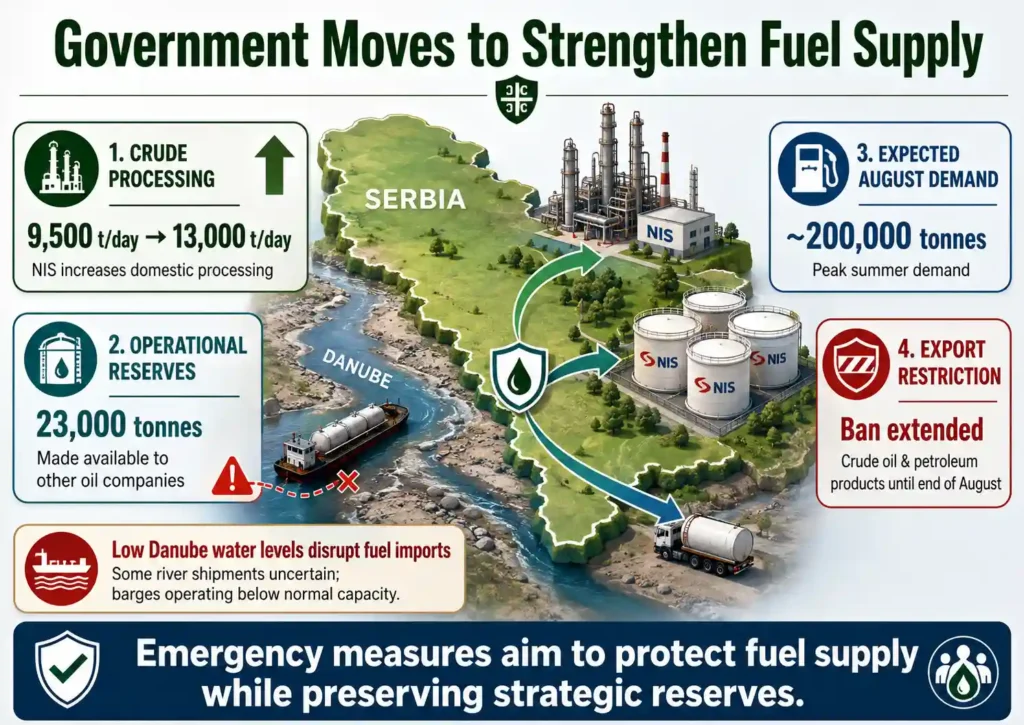
According to Dubravka Đedović Handanović, Minister of Mining and Energy, NIS will increase crude oil processing from approximately 9,500 tonnes per day to approximately 13,000 tonnes per day.
The company will also provide around 23,000 tonnes of its operational reserves to other oil companies experiencing higher domestic demand.
“This will enable us to meet the significant demand for petroleum products expected in August, which is estimated at approximately 200,000 tonnes,” she said.
The Ministry emphasised that using operational reserves allows the government to strengthen supply security while preserving state strategic reserves for emergency situations.
Danube Water Levels Disrupt Fuel Imports
Serbia plans to import around 39,000 tonnes of diesel during August, the same volume imported in July.
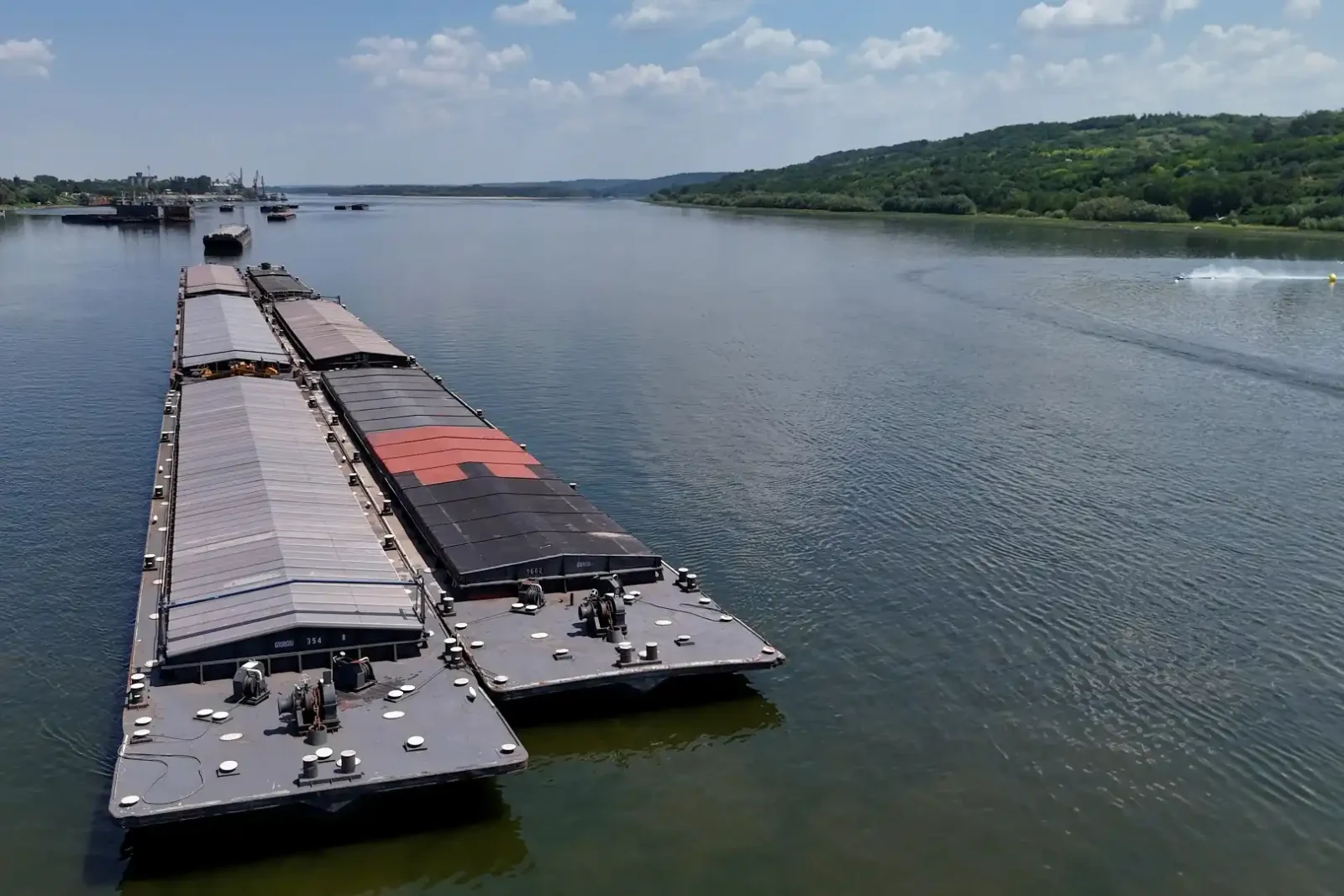
However, approximately 20,000 tonnes of those imports are expected to arrive via the Danube River, making deliveries uncertain because of historically low water levels.
Earlier, Dubravka Đedović Handanović noted that only about a quarter of Serbia’s planned July petroleum imports had been completed after low river levels forced barges to operate at only 30–40% of their normal carrying capacity.
To help meet demand during July, approximately 19,000 tonnes of Euro diesel were released from the operational reserves of oil companies, avoiding the need to draw from the country’s strategic fuel reserves.
The government has also extended the ban on exports of crude oil and petroleum products until the end of August to ensure available fuel remains within the domestic market.
Higher Transport Costs Increase Pressure
With river transport constrained, fuel imports are increasingly being moved by rail and road tankers.
According to the Minister, while these transport methods allow continued deliveries, they involve smaller shipment volumes and significantly higher logistics costs for oil companies operating under regulated fuel prices.
She added that market conditions have become more challenging following Russia’s ban on exports of petroleum products.
Additional pressure has also emerged after Turkey’s purchase of one million tons of diesel fuel on the Mediterranean market, tightening fuel availability and contributing to higher prices.
Context is everything. Stay ahead of shifting trends with today’s market updates, and uncover emerging opportunities using the Serrari Group Market Index and Marketplace. Then, take control of your own financial future by exploring our Money & Life Reset Transformation Blueprint ™ to build stronger habits, create better systems, and design a path toward lasting wealth.
NIS Remains Central to Domestic Supply
The Minister noted that the latest extension of NIS’s operating licence allows the company to continue producing petroleum products, which remains essential for maintaining stable supplies to the Serbian market as import challenges persist.
According to the report, NIS has been operating under repeated licence extensions following U.S. sanctions imposed in January 2025 over its Russian ownership.
The company’s current sanctions waiver is due to expire on August 28.
Low Water Levels Affect Wider Energy Infrastructure
The impact of the historically low Danube water levels extends beyond petroleum imports.
According to the report, severe drought and heatwaves have also reduced electricity generation at Serbia’s 1,140 MW Djerdap I (Iron Gate I) hydropower plant.
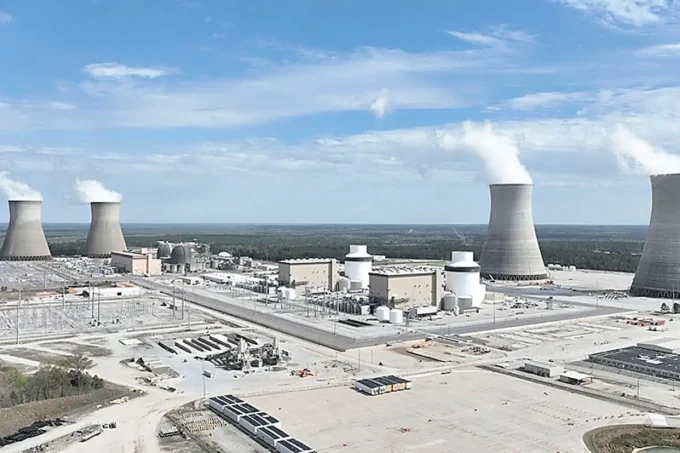
The same conditions have also disrupted operations at Romania’s Cernavoda nuclear power plant, highlighting the broader impact of prolonged low river levels on regional energy infrastructure.
Outlook
The measures adopted by the Serbian Ministry of Mining and Energy highlight the growing vulnerability of fuel supply chains to climate-related disruptions affecting inland waterways. Increasing refinery production, releasing operational fuel reserves and extending export restrictions are intended to help maintain market stability during the current period of high demand. However, continued record-low water levels on the Danube, combined with tighter regional fuel markets and higher transportation costs, could keep pressure on petroleum supplies in the coming weeks. The situation also illustrates how extreme weather conditions are increasingly affecting both fuel logistics and electricity generation across Southeast Europe.
FAQs
1. Why is Serbia releasing operational fuel reserves?
Serbia is allowing NIS to provide around 23,000 tonnes of operational fuel reserves to other oil companies to strengthen domestic fuel supplies while preserving the country’s strategic reserves.
2. How are low Danube water levels affecting fuel imports?
Low water levels have reduced barge carrying capacity to 30–40%, making deliveries of approximately 20,000 tonnes of planned August diesel imports uncertain.
3. What additional measures has Serbia introduced?
The government has increased domestic crude processing, released Euro diesel from operational reserves and extended the export ban on crude oil and petroleum products until the end of August.
4. What other energy infrastructure has been affected?
Historically low water levels have also reduced production at Serbia’s Djerdap I (Iron Gate I) hydropower plant and disrupted operations at Romania’s Cernavoda nuclear power plant.
Sources: CEEnergynews,, SeeNews, Agenzia Nova
Your financial future isn’t something you wait for—it’s something you build.
The real question is: when do you begin?
Move beyond simply staying informed.
Navigate the markets with clarity—track trends through the Serrari Group Market Index, uncover opportunities in the Serrari Marketplace, and build practical knowledge with our Curated Wealth Builder Platform.
Stay connected to what truly matters.
Get daily insights on macro trends and financial movements across Kenya, Africa, and global markets—delivered through the Serrari Newsletter.
Growth opens doors.
Advance your career through professional programs including ACCA, HESI A2, ATI TEAS 7 , HESI EXIT , NCLEX – RN and NCLEX – PN, Financial Literacy!🌟—designed to move you forward with confidence.
See where money is flowing—clearly and in real time.
Track Money Market Funds, Treasury Bills, Treasury Bonds, Green Bonds, and Fixed Deposits, alongside global and African indexes, key economic indicators, and the evolving Crypto and stablecoin landscape—all within Serrari’s Market Index.