Russia and ASEAN have agreed to deepen cooperation in energy security and diversify energy supplies through greater collaboration in oil, natural gas, LNG, electricity, renewable energy, and nuclear technologies. The agreement, reached during the ASEAN-Russia Summit in Kazan, reflects growing concerns over global energy instability, supply disruptions, and the need for more resilient energy systems.
Key Overview
- Russia and ASEAN agreed to strengthen energy cooperation
- The agreement was reached during the Kazan summit
- Cooperation will cover oil, gas, LNG, and electricity
- Both sides will expand work on renewable energy and hydrogen
- Nuclear energy cooperation was also discussed
- ASEAN and Russia expressed concern over energy market volatility
- The partnership supports long-term energy security goals
- A new five-year action plan was adopted
Russia and ASEAN Strengthen Energy Cooperation Amid Instability
Russia and the Association of Southeast Asian Nations (ASEAN) have agreed to cooperation on energy security, strengthening ties across traditional and emerging energy sectors as global markets face growing uncertainty.
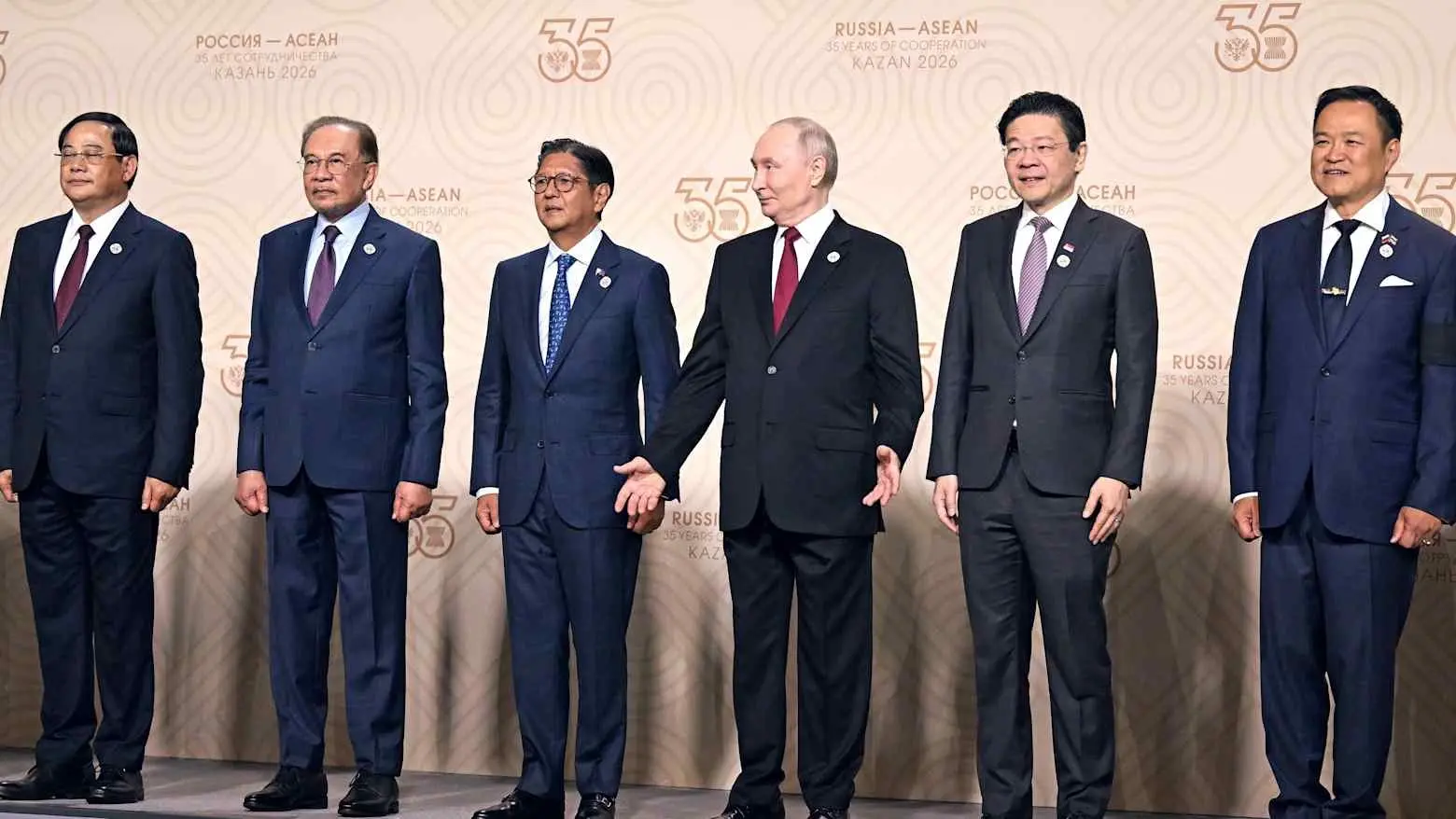
The agreement was announced following the ASEAN-Russia Commemorative Summit held in Kazan, Russia, where leaders marked 35 years of relations between Russia and ASEAN and 30 years of their dialogue partnership.
According to a joint statement issued after the summit, both sides pledged to deepen cooperation to ensure secure and diversified energy supplies through expanded trade, investment, and long-term commercial partnerships.
Expanding Oil, Gas and LNG Cooperation
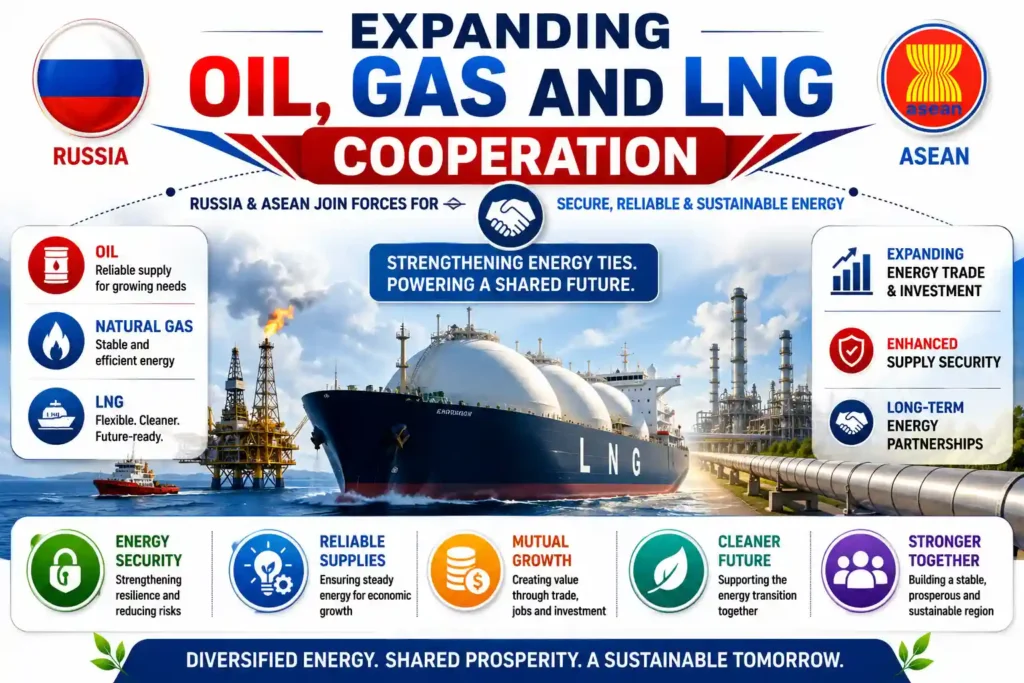
Energy cooperation between Russia and ASEAN will continue to focus on conventional energy sources, including oil, natural gas, liquefied natural gas (LNG), and electricity.
The joint statement emphasized the importance of strengthening energy trade and investment to improve supply security and reduce exposure to market disruptions.
Russia remains one of the world’s largest energy exporters and has increasingly sought to expand its commercial relationships with Asian economies amid changing global trade patterns.
For many Southeast Asian countries, diversifying energy suppliers has become an important priority as geopolitical tensions and supply disruptions continue to affect international energy markets.
Renewable Energy and Energy Transition
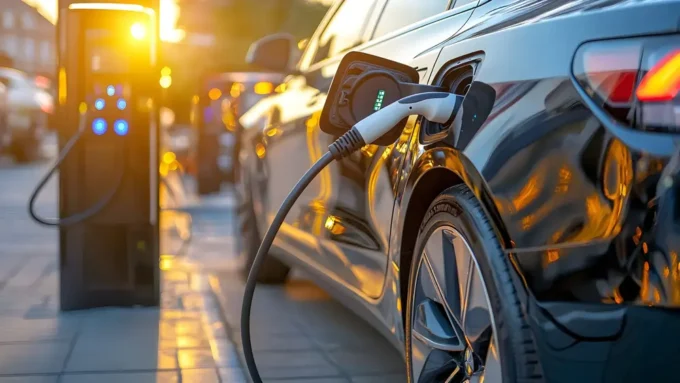
Beyond fossil fuels, both sides agreed to deepen cooperation in renewable energy and energy transition technologies.
Areas identified for future collaboration include:
- Hydropower
- Bioenergy
- Hydrogen
- Renewable electricity
- Clean energy technologies
The agreement reflects growing interest among ASEAN member states in expanding renewable energy capacity while maintaining energy security and affordability.
Several countries in Southeast Asia are pursuing ambitious clean energy targets and are seeking international partnerships to support investment and technology development.
Nuclear Energy Cooperation
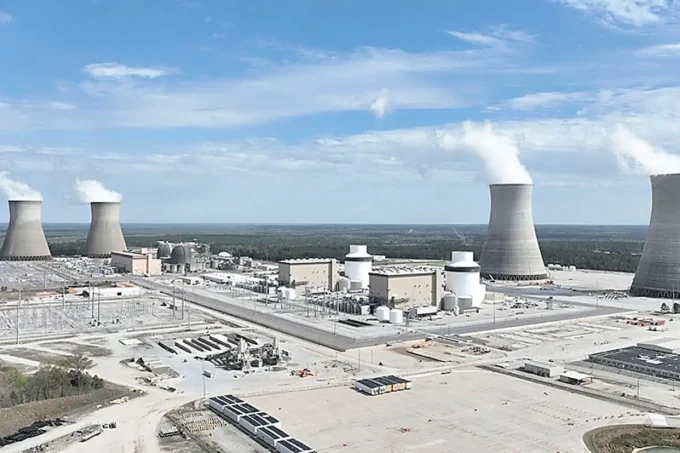
The summit also highlighted potential cooperation in the peaceful use of nuclear energy.
Russia and ASEAN members agreed to explore opportunities in civil nuclear power, including small modular reactors, where appropriate.
The joint statement emphasized that any future nuclear cooperation would comply with international safety standards and non-proliferation principles.
Small modular reactors have attracted increasing attention globally due to their potential to provide low-carbon electricity with smaller infrastructure requirements than traditional nuclear plants.
Context is everything. Stay ahead of shifting trends with today’s market updates, and uncover emerging opportunities using the Serrari Group Market Index and Marketplace. Then, take control of your own financial future by exploring our Money & Life Reset Transformation Blueprint ™ to build stronger habits, create better systems, and design a path toward lasting wealth.
Addressing Global Energy Instability
Both parties expressed concern about rising energy market instability caused by geopolitical tensions, supply chain disruptions, and price volatility.
The statement noted that efforts to strengthen energy security should be undertaken without delay.
Several Southeast Asian countries remain heavily dependent on imported energy supplies, particularly crude oil.
Rising energy prices and supply uncertainties have increased interest in diversified energy partnerships that can improve resilience and reduce vulnerability to external shocks.
The two sides also agreed to strengthen crisis preparedness and improve cooperation in addressing future energy challenges.
A Broader Strategic Partnership
Energy was one of several areas covered by the newly adopted ASEAN-Russia Comprehensive Plan of Action for 2026-2030.
The roadmap outlines future cooperation in areas including:
- Trade and investment
- Energy
- Maritime affairs
- Connectivity
- Education
- Security
- Cultural exchanges
The summit was co-chaired by Russian President Vladimir Putin and Philippine President Ferdinand Marcos Jr., whose country currently holds ASEAN’s rotating chairmanship.
Russia has increasingly focused on expanding economic relationships with Southeast Asia, while ASEAN countries continue to pursue diversified partnerships to support economic growth and energy security.
Outlook
The agreement between Russia and ASEAN highlights the growing importance of energy security in international relations. As global energy markets face continued uncertainty, both sides are seeking to strengthen cooperation across conventional fuels, renewable energy, electricity systems, and emerging technologies.
For Southeast Asia, greater collaboration with Russia could help diversify energy supplies and improve resilience against future disruptions. For Russia, expanding partnerships with ASEAN supports broader efforts to strengthen economic and energy ties with rapidly growing Asian markets.
The new five-year action plan suggests that energy cooperation will remain a central pillar of ASEAN-Russia relations as both sides navigate changing geopolitical and energy landscapes.
FAQs
1. What energy sectors will Russia and ASEAN cooperate in?
The partnership covers oil, natural gas, LNG, electricity, renewable energy, hydrogen, hydropower, bioenergy, and potentially civil nuclear energy.
2. Why are ASEAN countries seeking stronger energy cooperation?
Many Southeast Asian countries rely heavily on imported energy supplies and are looking to diversify sources and improve energy security.
3. Will Russia and ASEAN cooperate on nuclear energy?
Yes. The two sides agreed to explore peaceful nuclear cooperation, including civil nuclear power and small modular reactors, while adhering to international safety standards.
4. What is the ASEAN-Russia Comprehensive Plan of Action?
It is a five-year roadmap covering cooperation between 2026 and 2030 in areas such as energy, trade, investment, connectivity, security, and cultural exchanges.
Sources: Caspian News, Arab News, The Diplomat
Your financial future isn’t something you wait for—it’s something you build.
The real question is: when do you begin?
Move beyond simply staying informed.
Navigate the markets with clarity—track trends through the Serrari Group Market Index, uncover opportunities in the Serrari Marketplace, and build practical knowledge with our Curated Wealth Builder Platform.
Stay connected to what truly matters.
Get daily insights on macro trends and financial movements across Kenya, Africa, and global markets—delivered through the Serrari Newsletter.
Growth opens doors.
Advance your career through professional programs including ACCA, HESI A2, ATI TEAS 7 , HESI EXIT , NCLEX – RN and NCLEX – PN, Financial Literacy!🌟—designed to move you forward with confidence.
See where money is flowing—clearly and in real time.
Track Money Market Funds, Treasury Bills, Treasury Bonds, Green Bonds, and Fixed Deposits, alongside global and African indexes, key economic indicators, and the evolving Crypto and stablecoin landscape—all within Serrari’s Market Index.