



NAIROBI, Kenya – Today, Kenya witnessed widespread protests on Wednesday as citizens voiced their frustration over the soaring cost of living, directly attributed to a depreciating Kenyan shilling and increased taxation imposed by the Finance Bill 2023. The relentless decline of the shilling has had a severe impact on imports, exacerbating the financial burdens faced by households across the country.
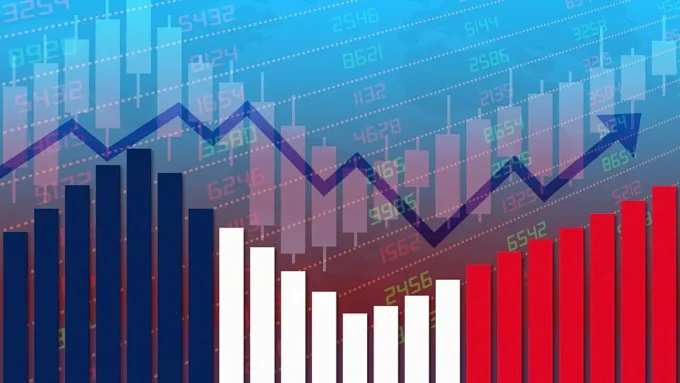
The local currency, according to Central Bank of Kenya (CBK) data, weakened further to an alarming low of 141.216 shillings against the US dollar. Since the start of the year, the shilling has shed over 13 percent of its value from its January average of 124.49 against the dollar.
Analysts predict that the shilling could plummet further and reach 145 against the dollar by the end of August, primarily driven by high US Federal Reserve rates. The anticipated interest rate hike, expected to range between 5.25 percent and 5.5 percent later this month, is a significant contributing factor. The US Fed has employed rate hikes as part of its strategy to combat high inflation.
The Kenyan shilling has been on a downward trajectory since mid-2018, when it stood at 101.29, despite the CBK’s assurance of currency stability. This continuous decline has adversely affected local traders and manufacturers, who are now grappling with the escalating costs of securing dollars for international trade payments. These additional expenses are often passed on to consumers, further burdening households already struggling with the high cost of living.
The Kenya Association of Manufacturers (KAM) underscores that local industries have no alternative but to pass on the extra costs to retailers and, ultimately, to consumers themselves.
As the shilling weakens, the impact extends beyond imports, affecting petroleum products, transportation, farm production, manufacturing, and electricity prices. Higher forex levies on power bills, attributed to foreign exchange fluctuation adjustment charges, are being passed on to consumers. This increase, coupled with the rising costs of food products such as cooking oil, wheat, maize, and other imports, adds immense pressure to households already grappling with historic prices of sugar and exorbitant costs of other food commodities.
Abraham Rugo, Country Manager at the International Budget Partnership, believes that the current policy stance is to allow the shilling to find its equilibrium through market forces.
Last month, the country experienced a slight easing of inflation to 7.9 percent due to cheaper food prices, primarily vegetables. Increases in prices within food and non-alcoholic beverages, housing, water, electricity, gas, and transportation were the key contributors to inflation, collectively accounting for over 57 percent of the weighted categories, according to Macdonald Obudho, the Director-General of the Kenya National Bureau of Statistics (KNBS).
The ongoing protests highlight the mounting frustration among Kenyan citizens as they contend with the compounding effects of a depreciating shilling, increased taxation, and a challenging cost of living. Policymakers and authorities must address these concerns urgently to alleviate the hardships faced by households across the country and restore economic stability.
By: Montel Kamau
Serrari Financial Analyst
12th July, 2023
photo source: Google


















Leave a comment