Masdar and TotalEnergies have launched a $2.2 billion joint venture to develop renewable energy projects across Asia.
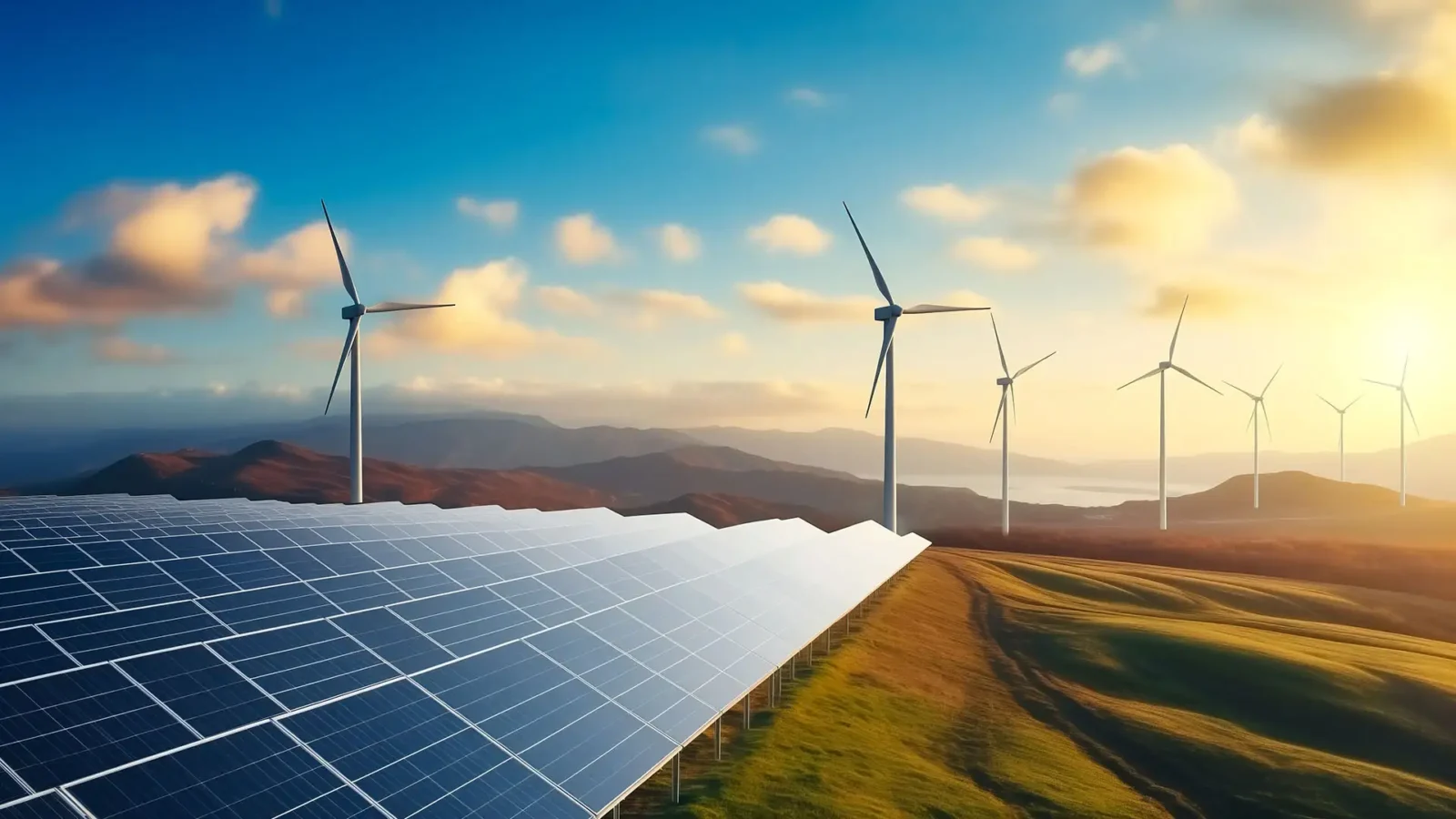
The 50:50 partnership will focus on solar, wind, and battery storage, combining 3GW of operational assets and 6GW in development.
The move reflects a growing trend of large-scale strategic partnerships aimed at accelerating renewable deployment across high-growth emerging markets.
Key Overview
- JV size: $2.2 billion (50:50 partnership)
- Partners: Masdar & TotalEnergies
- Focus: solar, wind, battery storage
- Markets: 9 Asian countries
- Includes 3GW operational + 6GW pipeline
- Target: projects operational by 2030
- HQ: Abu Dhabi Global Market
- Workforce: ~200 employees
- Platform becomes exclusive renewable vehicle
- Subject to regulatory approvals
Masdar and TotalEnergies Form Strategic Asia JV
Masdar and TotalEnergies have agreed to establish a $2.2 billion joint venture, marking a significant and strategic step toward scaling renewable energy deployment across Asia’s rapidly expanding energy markets.
The partnership is structured as a 50:50 collaboration, with both companies contributing assets of comparable value. This balanced structure reflects a strong alignment of interests and a shared commitment to long-term growth in the renewable energy sector. By combining resources in this way, both partners are able to leverage their respective strengths while maintaining equal influence over the strategic direction of the venture.
This joint venture represents a coordinated and large-scale effort to accelerate renewable energy expansion in some of the world’s fastest-growing and most energy-intensive regions.
The agreement also highlights a broader industry trend in which global energy companies are increasingly forming partnerships to scale operations more efficiently and respond to rising demand for clean energy.
While the transaction remains subject to regulatory approvals and customary closing conditions, it is expected—once finalized—to become a central pillar of both companies’ renewable energy strategies in Asia.
The JV is likely to play a pivotal role in shaping the partners’ long-term positioning within the global energy transition.
Markets move fast; don’t get left behind. We’ve paired the Serrari Group Market Index with a curated Marketplace and a comprehensive Wealth Builder Course to ensure you have the data—and the skills—to act on it.
Building a Scalable Renewable Energy Platform
At the core of the agreement is the creation of a unified and scalable platform that will consolidate the companies’ onshore renewable energy activities across multiple Asian markets.
This platform will focus on the full lifecycle of renewable energy projects, including the development, construction, and operation of solar, wind, and battery storage assets. By integrating these capabilities, the joint venture aims to deliver a comprehensive and coordinated approach to clean energy deployment.
A single, integrated platform enables greater efficiency, stronger coordination, and more effective capital deployment across diverse markets.
The scale of the platform is significant, combining approximately 3GW of operational capacity with an additional 6GW of projects in advanced development, all targeted for completion by 2030.
This substantial pipeline provides both immediate operational presence and a clear pathway for future growth, positioning the JV as a major contributor to renewable energy expansion in the region.
The combination of existing assets and a strong development pipeline enhances both short-term performance and long-term scalability.
By consolidating activities into a single platform, the partners can also streamline decision-making processes, reduce duplication of effort, and improve overall project execution efficiency.
Expanding Across Key Asian Markets
The joint venture will operate across nine key Asian markets, including Azerbaijan, Indonesia, Japan, Kazakhstan, Malaysia, the Philippines, Singapore, South Korea, and Uzbekistan.
These markets represent a diverse mix of emerging and developed economies, each with unique energy needs, regulatory frameworks, and growth trajectories. Many of these countries are experiencing rapid increases in electricity demand, driven by economic expansion, urbanisation, and industrialisation.
This makes Asia one of the most critical regions globally for renewable energy investment and decarbonisation efforts.
At the same time, governments across the region are under increasing pressure to reduce emissions and transition toward cleaner energy systems, creating strong policy support for renewable development.
By establishing a presence across multiple jurisdictions, the JV is able to capture a wide range of growth opportunities while diversifying its exposure to market-specific risks.
Geographic diversification allows the venture to balance risk while capitalising on high-growth energy markets.
This multi-country strategy also enables the partners to leverage regional expertise, adapt to local conditions, and build a more resilient and flexible portfolio of renewable assets across Asia.
Combining Expertise and Capital Strength
The partnership between Masdar and TotalEnergies brings together a powerful combination of complementary strengths, creating a foundation for executing large-scale renewable energy projects across diverse markets.
Masdar contributes its extensive experience as a global clean energy developer, with a strong track record in the development and execution of renewable projects across multiple regions. Its expertise lies in project delivery, stakeholder engagement, and navigating complex regulatory environments in emerging markets.
On the other hand, TotalEnergies brings deep capabilities in large-scale energy infrastructure, backed by decades of experience in global operations, project financing, and energy systems integration. This includes the ability to manage complex, capital-intensive projects and optimise performance across large asset portfolios.
The combination of technical expertise, financial strength, and regional experience significantly enhances the joint venture’s ability to execute complex and large-scale projects.
By pooling resources, the companies aim to accelerate project timelines, reduce development risks, optimize capital allocation, and improve overall project efficiency.
Collaboration at this scale allows both partners to move faster and more effectively than they could independently.
Strategic Importance of Battery Storage Integration
A key component of the joint venture’s strategy is the integration of battery storage systems alongside solar and wind generation assets, reflecting the evolving requirements of modern energy systems.
As renewable energy penetration increases, one of the primary challenges is intermittency—the variability in power generation due to changing weather conditions. This creates a need for systems that can store excess energy and release it when demand is higher or generation is lower.
Battery storage is emerging as a critical enabler of reliable and scalable renewable energy deployment.
By incorporating storage solutions into its projects, the joint venture aims to enhance grid stability, improve energy reliability, and provide more flexible power delivery. This not only increases the operational value of renewable assets but also makes them more attractive to grid operators and end users.
The integration of storage transforms renewable energy from a variable resource into a more consistent and dependable power source.
In the long term, the ability to combine generation with storage will be a key differentiator in competitive energy markets, particularly as demand for stable and resilient energy systems continues to grow.
Market Trends Driving Renewable Partnerships
The formation of the joint venture reflects a broader and accelerating trend in the global energy sector, where companies are increasingly forming strategic partnerships to scale their renewable energy portfolios.
Large-scale renewable projects require significant capital investment, advanced technical expertise, and deep understanding of local markets—factors that are often difficult to manage independently. As a result, collaboration has become a more effective approach to addressing these challenges.
Strategic partnerships are becoming a central mechanism for accelerating the global energy transition.
By working together, companies can share financial risks, pool technical knowledge, and leverage each other’s market presence, enabling faster and more efficient project development.
Partnerships allow for greater scalability while reducing exposure to individual project or market risks.
This collaborative model also supports geographic expansion, allowing companies to enter new markets more effectively while building diversified portfolios across multiple regions and technologies.
As the demand for renewable energy continues to grow, partnerships like this are likely to play an increasingly important role in shaping the future of the industry.
What This Means for Investors and Energy Markets
The formation of the joint venture between Masdar and TotalEnergies highlights several important structural trends that are shaping the future of renewable energy investment and capital allocation globally.
First, scale is becoming increasingly important in the renewable energy sector. Large, multi-market platforms such as this joint venture allow for more efficient deployment of capital, better project coordination, and stronger negotiating power across supply chains and regulatory environments.
Scale enables developers to reduce costs, improve efficiency, and deliver projects more competitively in increasingly complex markets.
Second, diversification across geographies and technologies is emerging as a key strategy for managing risk while capturing growth opportunities. By operating across multiple countries and combining solar, wind, and storage assets, the JV reduces exposure to individual market fluctuations and regulatory uncertainties.
Geographic and technological diversification enhances resilience and provides more stable long-term returns for investors.
Third, the integration of storage and supporting infrastructure is becoming essential for ensuring the reliability and scalability of renewable energy systems. As renewable penetration increases, the ability to deliver consistent and dispatchable power becomes a critical factor in project viability.
Integrated energy solutions—combining generation, storage, and infrastructure—are redefining how renewable assets are valued.
As a result, investors are increasingly seeking opportunities in large, integrated platforms that combine scale, diversification, and advanced technological capabilities. These platforms offer not only growth potential but also greater stability and long-term value creation.
The market is shifting toward platform-based investments that can deliver both scale and resilience in a rapidly evolving energy landscape.
Outlook: Accelerating Renewable Growth in Asia
Looking ahead, the joint venture provides a strong indication of how renewable energy development is likely to evolve across Asia, a region that remains central to global energy demand growth and decarbonisation efforts.
In the short term, project development activity is expected to accelerate as the JV begins deploying capital, advancing its pipeline, and moving projects toward execution. This phase will likely involve increased construction activity, partnerships with local stakeholders, and expansion into new markets.
Asia is expected to remain a primary focal point for renewable energy investment due to its scale, growth, and rising energy demand.
Over the medium term, the success of the platform will depend on its ability to navigate diverse regulatory environments, manage complex project execution processes, and deliver reliable and cost-effective energy solutions. Each market presents unique challenges, from policy frameworks to grid infrastructure constraints.
Execution capability and regulatory adaptability will be key determinants of long-term success.
In the long term, partnerships like this are expected to play a central role in achieving global climate targets, particularly in regions with high energy demand growth and heavy reliance on fossil fuels. The scale of investment required makes collaboration not just beneficial, but necessary.
Large-scale, cross-border collaborations are likely to define the next phase of the global energy transition.
Ultimately, the joint venture highlights a broader and more fundamental shift in the energy sector:
The transition to renewable energy is increasingly being driven by strategic alliances that combine capital, expertise, and scale to accelerate global decarbonisation.
Your financial future isn’t something you wait for—it’s something you build.
The real question is: when do you begin?
Move beyond simply staying informed.
Navigate the markets with clarity—track trends through the Serrari Group Market Index, uncover opportunities in the Serrari Marketplace, and build practical knowledge with our Curated Wealth Builder Course.
Stay connected to what truly matters.
Get daily insights on macro trends and financial movements across Kenya, Africa, and global markets—delivered through the Serrari Newsletter.
Growth opens doors.
Advance your career through professional programs including ACCA, HESI A2, ATI TEAS 7 , HESI EXIT , NCLEX – RN and NCLEX – PN, Financial Literacy!🌟—designed to move you forward with confidence.
See where money is flowing—clearly and in real time.
Track Money Market Funds, Treasury Bills, Treasury Bonds, Green Bonds, and Fixed Deposits, alongside global and African indexes, key economic indicators, and the evolving Crypto and stablecoin landscape—all within Serrari’s Market Index.