CINEA has launched a €600 million funding call under the Connecting Europe Facility (CEF) to support cross-border energy infrastructure across Europe. The initiative targets projects in hydrogen, electricity grids, smart energy systems, and CO₂ networks, aiming to strengthen energy security and accelerate decarbonization. By funding both early-stage studies and construction-ready projects, the program helps bridge development gaps and unlock large-scale infrastructure investment. The move reflects the EU’s broader strategy to build an integrated, low-carbon energy system while mobilizing private capital and advancing its climate transition goals.
Key Overview
- CINEA launches €600M CEF Energy call
- Targets 235 cross-border energy projects (PCIs/PMIs)
- Covers hydrogen, electrolysers, CO₂ networks, electricity grids
- Includes funding for both studies and construction (works)
- Deadline: 30 September 2026
- Virtual info day: 18 May 2026
A Major Funding Push for Europe’s Energy Infrastructure
The Climate, Infrastructure and Environment Executive Agency has launched a new €600 million funding call under the Connecting Europe Facility (CEF) Energy programme, marking a significant step in accelerating the development of cross-border energy infrastructure across Europe. The initiative is part of a broader effort by the European Union to modernize its energy systems, strengthen interconnectivity, and support the transition toward a low-carbon economy.
The call specifically targets projects included in the second Union list of Projects of Common Interest (PCIs) and Projects of Mutual Interest (PMIs), in line with the revised TEN-E Regulation (EU) 2022/869. These projects are strategically selected based on their ability to enhance energy connectivity, system resilience, and decarbonization, while also delivering cross-border benefits. By prioritizing infrastructure that links multiple countries, the EU aims to reduce energy fragmentation and improve the efficiency of the internal energy market.
In addition to supporting climate objectives, the initiative plays a critical role in energy security, particularly in the context of shifting geopolitical dynamics and the need to diversify energy sources and routes. Cross-border infrastructure—such as interconnectors, hydrogen corridors, and CO₂ networks—enables more flexible energy flows and reduces dependence on single suppliers.
Applications are open until 30 September 2026, with proposals required to be submitted through the EU Funding and Tenders Portal. To support potential applicants, a virtual information day will be held on 18 May 2026, offering detailed guidance on the policy context, eligibility criteria, and evaluation process. This ensures that both public and private stakeholders are well-positioned to participate in the funding opportunity.
Markets move fast; don’t get left behind. We’ve paired the Serrari Group Market Index with a curated Marketplace and a comprehensive Wealth Builder Course to ensure you have the data—and the skills—to act on it.
Scope: Hydrogen, Grids, and CO₂ Networks in Focus
The funding call covers a broad and evolving range of infrastructure categories, reflecting the EU’s shifting priorities toward decarbonization, electrification, and system integration. Eligible projects include:
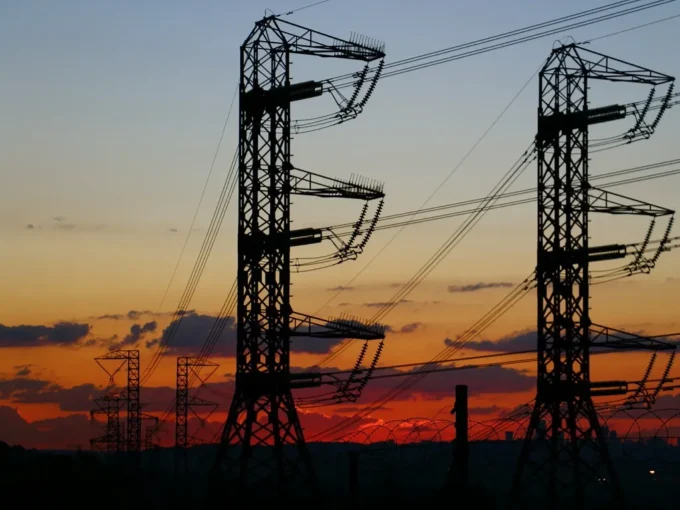
- Electricity transmission networks, enabling cross-border power flows and integration of renewable energy
- Smart electricity and gas grids, enhancing system flexibility and digitalization
- Hydrogen infrastructure, including pipelines, storage, and cross-border transport systems
- Electrolysers, supporting large-scale green hydrogen production
- CO₂ transport and storage networks, critical for carbon capture and storage (CCS) strategies
- Projects under Article 24 gas derogation, allowing transitional gas infrastructure under specific conditions
Notably, this is one of the first funding calls to fully integrate hydrogen and electrolyser projects alongside traditional energy infrastructure, highlighting the EU’s commitment to building a hydrogen-based energy ecosystem. By including production, transport, and storage within a single funding framework, the EU is enabling the development of end-to-end value chains for clean hydrogen.
The call applies to 235 projects listed under the second PCI/PMI framework, representing a substantial pipeline of strategically important infrastructure developments across Europe. These projects span multiple regions and technologies, reflecting the diversity and scale of the EU’s energy transition efforts.
This integrated approach underscores a broader shift from siloed infrastructure planning toward holistic energy system design, where electricity, gas, hydrogen, and carbon networks are increasingly interconnected.
Two Funding Tracks: Studies and Construction
The €600 million call is divided into two primary funding tracks, designed to support projects at different stages of development:
- WORKS: Provides funding for projects that are ready to begin construction or initial site activities, including early deployment phases
- STUDIES: Supports pre-construction activities such as engineering design, feasibility studies, environmental assessments, and permitting processes
This dual-track structure ensures that the funding programme addresses both project readiness and pipeline development, enabling a continuous flow of infrastructure investments from concept to execution.
By supporting early-stage studies, the EU helps reduce project risk and improve bankability, making it easier to attract private investment. At the same time, funding for construction accelerates the deployment of critical infrastructure, ensuring that projects move quickly from planning to implementation.
Importantly, the inclusion of electrolysers within the funding scope allows green hydrogen production facilities to access the same financing framework as transport infrastructure such as pipelines and storage systems. This is a crucial development, as it helps bridge the gap between hydrogen production and distribution, ensuring that supply and demand can scale together.
Overall, the funding structure reflects a strategic effort to build integrated, scalable, and investment-ready energy systems, capable of supporting Europe’s long-term climate and energy objectives.
Part of a €5.84B Long-Term Investment Programme
The €600 million funding call is part of the broader Connecting Europe Facility (CEF) Energy budget, which allocates €5.84 billion for the 2021–2027 period to support the development of strategic energy infrastructure across Europe. This long-term programme is a cornerstone of the EU’s efforts to modernize its energy systems, enhance cross-border integration, and accelerate the transition toward climate neutrality.
Within this framework, projects granted Projects of Common Interest (PCI) or Projects of Mutual Interest (PMI) status benefit from more than just financial support. They gain access to a comprehensive set of advantages designed to improve project viability and accelerate delivery, including:
- Accelerated permitting processes, reducing administrative delays
- Improved regulatory treatment, creating a more predictable investment environment
- Enhanced visibility and investor confidence, helping attract institutional capital
These mechanisms are critical in addressing one of the biggest challenges in infrastructure development: project risk. By lowering regulatory and financing barriers, the CEF programme enables large-scale, capital-intensive projects to move forward more efficiently. It also plays a catalytic role in mobilizing private investment, ensuring that public funding can unlock significantly larger volumes of capital.
In this way, the programme is not only funding infrastructure—it is actively shaping a more integrated and resilient European energy system.
Context is everything. While you follow today’s updates, use the Serrari Group Market Index and Marketplace to spot emerging shifts. Need to sharpen your edge? Our Wealth Builder Course turns these insights into a professional-grade strategy.
Building on Previous Hydrogen and Infrastructure Investments
The latest funding call builds on a rapidly expanding pipeline of energy infrastructure projects across Europe, particularly in the hydrogen sector, which is emerging as a central pillar of the EU’s decarbonization strategy.
Several major projects have already received support under previous CEF funding rounds, illustrating both the scale and ambition of Europe’s infrastructure plans:
- The Nordic-Baltic Hydrogen Corridor, a 2,500 km pipeline network designed to connect hydrogen markets across Northern and Eastern Europe, received €6.8 million in funding
- Snam’s hydrogen backbone project in Italy was awarded €25 million to support the development of a national hydrogen transport network
- The H2Med project, linking Spain, France, and Portugal through both subsea and onshore pipelines, has received over €35 million across multiple funding rounds
These projects highlight the EU’s strategic focus on building a pan-European hydrogen network, capable of transporting clean hydrogen across borders and connecting production hubs with industrial demand centers.
At the same time, investments are also being directed toward electricity interconnections, smart grids, and CO₂ transport infrastructure, ensuring that Europe’s energy transition is supported by a fully integrated system. This multi-sector approach reflects the growing recognition that achieving climate goals requires coordinated development across multiple energy vectors.
Transparency and Public Access to Energy Projects
Alongside the launch of the funding call, CINEA has updated its Transparency Platform, providing detailed data on all 235 PCI and PMI projects included in the second Union list.
This initiative represents an important step toward improving transparency, accountability, and stakeholder engagement in EU infrastructure planning. By making project data publicly accessible, the platform enables investors, policymakers, and the broader public to better understand:
- The scope and status of priority infrastructure projects
- The allocation of EU funding
- The strategic direction of Europe’s energy transition
Enhanced transparency also supports more informed investment decisions, helping to attract private capital and foster greater confidence in the EU’s project pipeline.
In addition, it encourages collaboration across stakeholders, from governments and developers to financial institutions and civil society, ensuring that infrastructure development aligns with both economic and environmental objectives.
Outlook: Accelerating Europe’s Energy Transition
The €600 million funding call represents a significant step forward in advancing Europe’s energy transition and infrastructure integration. By prioritizing cross-border projects, the EU is not only strengthening energy security but also enabling the large-scale deployment of clean energy technologies.
In the near term, the focus will be on:
- Advancing project readiness and accelerating construction timelines
- Scaling hydrogen and CO₂ infrastructure, critical for decarbonizing industry
- Enhancing grid flexibility and cross-border connectivity, enabling greater integration of renewable energy
These priorities reflect the immediate need to build infrastructure capable of supporting rising renewable energy capacity and evolving energy demand patterns.
Over the longer term, initiatives like this are expected to play a central role in creating a fully integrated, low-carbon European energy system, aligned with the EU’s climate neutrality targets. This includes not only expanding infrastructure but also ensuring that systems are flexible, resilient, and interconnected.
As investment in energy infrastructure continues to accelerate, the combination of public funding, regulatory support, and private capital mobilization will be essential. Together, these elements will drive the development of the next generation of Europe’s energy networks—systems that are not only cleaner and more efficient, but also capable of supporting long-term economic growth and energy security.
Your financial future isn’t something you wait for—it’s something you build.
The real question is: when do you begin?
Move beyond simply staying informed.
Navigate the markets with clarity—track trends through the Serrari Group Market Index, uncover opportunities in the Serrari Marketplace, and build practical knowledge with our Curated Wealth Builder Course.
Stay connected to what truly matters.
Get daily insights on macro trends and financial movements across Kenya, Africa, and global markets—delivered through the Serrari Newsletter.
Growth opens doors.
Advance your career through professional programs including ACCA, HESI A2, ATI TEAS 7 , HESI EXIT , NCLEX – RN and NCLEX – PN, Financial Literacy!🌟—designed to move you forward with confidence.
See where money is flowing—clearly and in real time.
Track Money Market Funds, Treasury Bills, Treasury Bonds, Green Bonds, and Fixed Deposits, alongside global and African indexes, key economic indicators, and the evolving Crypto and stablecoin landscape—all within Serrari’s Market Index.