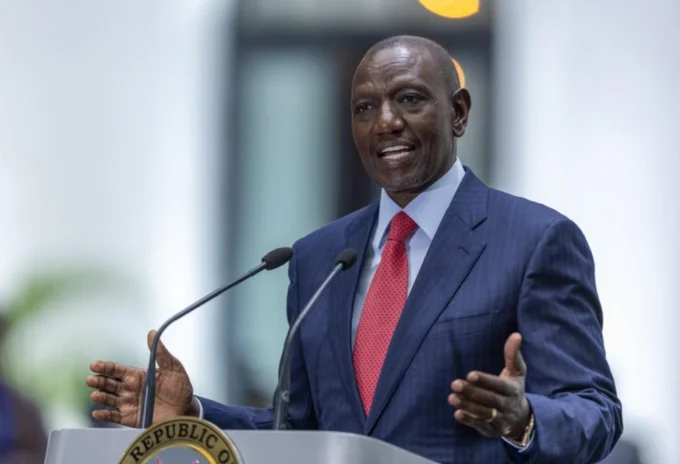
In a significant policy shift, Kenya has formally announced its withdrawal from the Government to Government (G2G) oil deal with Saudi Arabia, citing concerns over its impact on the forex market and an inability to mitigate the fluctuating shilling-dollar exchange rate. Launched with much anticipation in April 2023 by President William Ruto, the G2G deal aimed to stabilize the shilling against the dollar.
The agreement, established between Kenya and three prominent Gulf oil exporters, introduced a unique credit mechanism for oil imports, backed by letters of credit issued by participating commercial banks. However, a recent IMF report quoting the Treasury unveils the government’s decision to exit the G2G arrangement, acknowledging the distortions it has introduced to the foreign exchange market.
“This move is a response to the distortions in the FX market and the increased rollover risk associated with private sector financing facilities supporting the deal. The government remains committed to exploring private market solutions in the energy sector,” stated the Treasury in the report.
Admitting that the G2G deal was implemented as a short-term measure to address foreign exchange pressures, the government clarified, “As an interim solution to alleviate FX pressures, we introduced a new oil import arrangement in April 2023. This replaced the previous open tendering system, where oil import dues were payable upon five days of delivery, contributing to undue FX market pressures.”
The challenges faced by the G2G deal became evident early on, with a noticeable decline in actual average monthly import volumes during the initial six months. The government attributes this decrease to lower demand both domestically and in regional reexport markets.
President Ruto’s initial optimism in April, where he foresaw a significant drop in the exchange rate, now contrasts with the decision to terminate the G2G arrangement. Meanwhile, opposition leader Raila Odinga, who expressed skepticism from the outset, raised concerns about the deal’s impact on the cost of fuel and accused handpicked distributors of selling oil at nearly twice the price of bulk suppliers.
“The US-dollar to Kenya-shilling exchange rate has risen from Ksh.132 to Ksh.159 six months later. The cost of fuel escalated significantly after the deal. Why have things worsened since its inception?” questioned Odinga.
In response, President Ruto defended the transparency of the G2G deal, asserting that it served the dual purpose of ensuring a steady oil supply for six months and fulfilling payment obligations.
The decision to exit the G2G oil deal adds complexity to Kenya’s economic landscape, prompting further scrutiny of the efficacy and transparency of international agreements in the nation’s energy sector.
Photo (By The Star Kenya)
By: Montel Kamau
Serrari Financial Analyst
22nd January, 2024