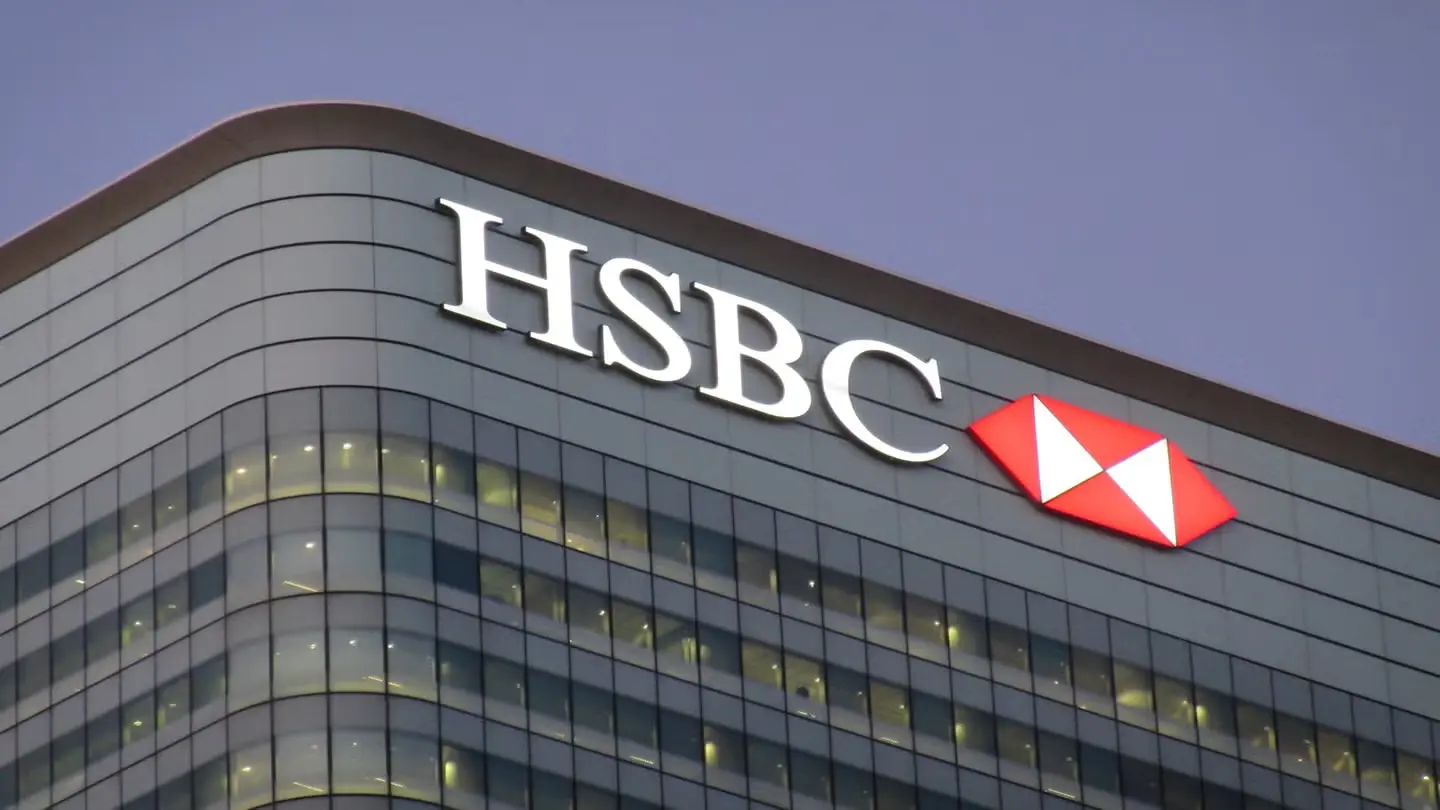
HSBC has introduced a dedicated $4 billion Sustainability and Transition Credit Facility targeting mainland Chinese companies in clean energy and low-carbon industries seeking to scale their operations globally. The facility covers sectors including clean power, electric vehicles, batteries, data centres, and artificial intelligence infrastructure, offering extended credit terms, faster approvals, and tailored financing structures.
Key Overview
- Facility Size: $4 billion dedicated credit line for Chinese clean tech companies
- Target Sectors: Clean power, electric vehicles, batteries, solar, data centres, and AI infrastructure
- Objective: Support international expansion of China-based sustainable technology firms
- Key Features: Extended credit limits, streamlined approvals, and customised financial solutions
- Broader Context: HSBC mobilised a record $102 billion in sustainable finance in 2025, with a cumulative $495.6 billion since 2020
- Market Backdrop: Chinese firms have committed over $180 billion in overseas clean tech investments since 2023
HSBC announced the launch of a new Sustainability and Transition Credit Facility on Monday, committing $4 billion to help mainland Chinese companies in the clean energy and low-carbon sectors expand their operations into international markets. The facility represents one of the largest targeted credit programmes by a global bank aimed specifically at accelerating the overseas growth of Chinese sustainable technology firms.
The dedicated credit line will provide financing to businesses operating across a range of sectors, including clean power generation, electrification of transport, battery technology, solar manufacturing, data centres, and artificial intelligence infrastructure. Under the programme, HSBC said it would extend credit limits for eligible companies, streamline the approval process, and develop tailored financial solutions designed to help firms deliver clean technologies to new markets more efficiently.
Natalie Blyth, HSBC’s Global Head of Sustainable Finance and Transition, said that China is home to some of the world’s most dynamic low-carbon companies. She noted that these businesses are setting new benchmarks in high-end manufacturing while playing a vital role in transforming transition ecosystems. As these firms scale internationally, she added, they need financial partners with global reach and the expertise to support them.
A Record Year for HSBC’s Sustainable Finance
The new facility builds on what has already been a landmark period for HSBC’s sustainability commitments. Earlier this year, the bank reported that it had mobilised a record $102 billion in sustainable finance and investment during 2025, marking the first time the bank surpassed the $100 billion threshold in a single year. That total represented a 3% increase from the $99.2 billion recorded in 2024, according to the bank’s annual report.
Cumulatively, HSBC has now facilitated $495.6 billion in sustainable finance and investment since 2020. That figure positions the bank firmly on track toward its stated goal of mobilising between $750 billion and $1 trillion in sustainable finance and investment by the end of the decade. The $4 billion China-focused facility adds another significant layer to what has become one of the banking industry’s most ambitious sustainability financing programmes.
Context is everything. While you follow today’s updates, use the Serrari Group Market Index and Marketplace to spot emerging shifts. Need to sharpen your edge? Our Wealth Builder Platform turns these insights into a professional-grade strategy.
China’s Clean Tech Dominance and Overseas Expansion
The timing of the facility reflects the growing scale and significance of China’s role in the global clean technology landscape. Chinese firms have become the dominant force in manufacturing and exporting solar panels, batteries, electric vehicles, and a range of other clean energy technologies. In 2024, China produced approximately 80% of the world’s solar PV modules and battery cells, according to data from energy think tank Ember. HSBC itself noted that China accounted for nearly half of global cleantech exports last year, and around two-thirds of global solar and battery exports.
Chinese companies have also been accelerating their overseas investment at a remarkable pace. A report published in December 2025 by Australian research group Climate Energy Finance found that Chinese firms had committed more than $180 billion in outbound clean technology investments since the start of 2023, an 80% increase from the $100 billion reported just one year earlier. Southeast Asia remained the top destination for Chinese clean tech manufacturing investments, while the Middle East and North Africa emerged as the fastest-growing region, driven by national strategies to diversify away from oil dependence.
Research from the Net Zero Industrial Policy Lab at Johns Hopkins University found that approximately 75% of China’s low-carbon foreign direct investment is flowing into Asia, the Middle East, Africa, and Latin America, underscoring the shift toward emerging market economies as the primary recipients of Chinese green capital.
Rising Energy Demand From EVs and Data Centres
Two major global trends are further strengthening the investment case for the types of companies HSBC’s facility is designed to support. HSBC’s own research projects that global electric vehicle sales will surpass 26 million units in 2026, reinforcing expectations for continued expansion in battery production, charging infrastructure, and related supply chains. China’s clean energy exports in the first seven months of 2025 alone surged to $120 billion across EVs, solar panels, and batteries, according to data analysed by Ember.
At the same time, the rapid growth of artificial intelligence and cloud computing is driving an enormous increase in electricity demand from data centres. The International Energy Agency projects that global electricity consumption from data centres will more than double by 2030 to approximately 945 terawatt-hours, roughly equivalent to Japan’s entire current electricity consumption. AI is expected to be the most significant driver of this increase, with electricity demand from AI-optimised data centres projected to quadruple over the same period.
This dual demand from transport electrification and digital infrastructure creates a substantial financing opportunity for companies that manufacture the clean power systems, grid equipment, energy storage solutions, and cooling technologies needed to support these sectors.
Strategic Implications and Geopolitical Context
HSBC’s facility arrives at a moment of significant geopolitical complexity. As a UK-listed bank with a balance sheet heavily weighted toward Asia, HSBC is taking a public position on supporting China’s clean tech expansion at a time when several Western financial institutions have been retreating from Chinese investments due to sanctions concerns and reputational considerations. The facility also comes amid ongoing US-China trade tensions, including tariffs on Chinese green technology imports that have prompted many Chinese firms to accelerate investment into third-party markets.
For Chinese clean tech companies, the challenge of international expansion has often been less about technology or pricing and more about securing the right financing structures and banking partnerships to support cross-border operations. An HSBC-branded facility gives these companies access to a familiar Western banking product that can complement their domestic capital resources.
However, several questions remain unanswered. HSBC has not disclosed which specific Chinese companies have been lined up for the facility, nor has it clarified the facility’s duration or how much of the credit line will be held on its own balance sheet versus syndicated to other lenders. As Chinese firms continue expanding abroad, they will also face increasing scrutiny over supply chain transparency, labour standards, local content requirements, and carbon accounting practices.
Looking Ahead
The $4 billion facility signals a broader shift in how transition finance is being structured by global banks. Rather than broad sustainability lending, institutions like HSBC are increasingly building targeted credit lines around specific industries, markets, and growth corridors. With clean energy investments in China reaching $818 billion in 2024 according to BloombergNEF, representing nearly two-thirds of global growth in the sector, the commercial logic for financing Chinese clean tech’s international expansion is clear.
As countries around the world accelerate their own decarbonisation efforts, the demand for affordable, scalable clean technology will only grow. HSBC’s facility positions the bank at the centre of that global flow, connecting Chinese manufacturers with the capital they need to serve an increasingly electrified and sustainability-conscious world.
Sources: ESG Today / ESG News / HSBC News / The Next Web / Investing.com / Eco-Business / China Economic Review / IEA / S&P Global / Carbon Brief / Ember / China Daily / Business Chief / Invezz / Climate Energy Finance
Your financial future isn’t something you wait for—it’s something you build.
The real question is: when do you begin?
Move beyond simply staying informed.
Navigate the markets with clarity—track trends through the Serrari Group Market Index, uncover opportunities in the Serrari Marketplace, and build practical knowledge with our Curated Wealth Builder Platform.
Stay connected to what truly matters.
Get daily insights on macro trends and financial movements across Kenya, Africa, and global markets—delivered through the Serrari Newsletter.
Growth opens doors.
Advance your career through professional programs including ACCA, HESI A2, ATI TEAS 7 , HESI EXIT , NCLEX – RN and NCLEX – PN, Financial Literacy!🌟—designed to move you forward with confidence.
See where money is flowing—clearly and in real time.
Track Money Market Funds, Treasury Bills, Treasury Bonds, Green Bonds, and Fixed Deposits, alongside global and African indexes, key economic indicators, and the evolving Crypto and stablecoin landscape—all within Serrari’s Market Index.