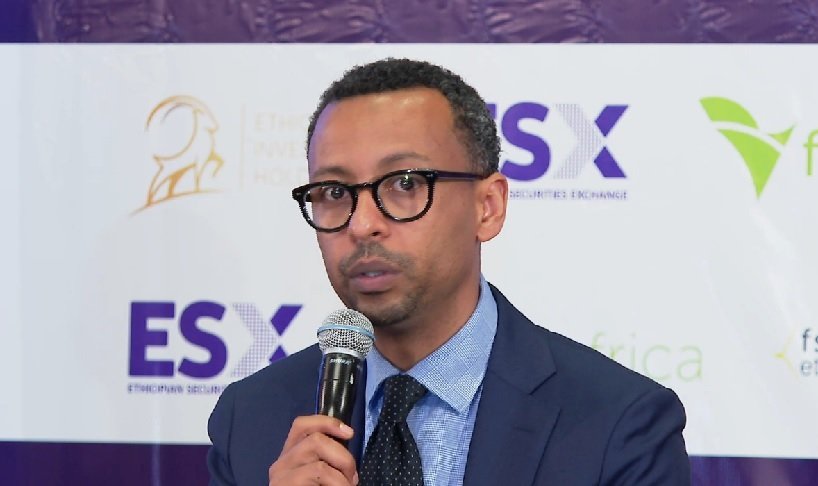
In a strategic move preceding the launch of its securities exchange later this year, Ethiopia is set to issue licenses to foreign investment banks. Brook Taye, Director General of the Ethiopian Capital Market Authority, disclosed to Reuters that the justice ministry has authorized the regulator to proceed with this pivotal step.
The liberalization initiative, designed to attract foreign investment, has garnered attention from global entities like Kenyan telecoms operator Safaricom. However, analysts acknowledge challenges, including an unpredictable regulatory environment, security concerns, and macroeconomic instability.
This development aligns with Prime Minister Abiy Ahmed’s comprehensive economic reforms since 2018, aiming to transition Ethiopia away from its historical command economy.
A notable gap in Ethiopia’s financial landscape is the absence of investment banks, limiting businesses due to prudential requirements on commercial banks. Brook Taye emphasized the critical need for capital-raising services, citing the current burden of a 25% interest rate on commercial bank funding and a collateral requirement of 70%.
To address this gap, the regulator is actively inviting global and regional investment banks, securities brokers, dealers, and credit rating service providers. These entities are expected to play a crucial role in enabling businesses to list shares on the securities exchange and issue corporate debt.
As the exchange gears up for its launch later this year, it promises to be a transformative platform for Ethiopia. The government aims to leverage it to address the budget deficit by offering debt securities to retail investors. Zemen, a significant Ethiopian commercial bank, has committed to acquiring a 5% stake in the exchange, demonstrating local industry support for this initiative.
This move towards foreign investment comes as Ethiopia grapples with economic challenges, including foreign exchange shortages and high inflation. Last month, the country defaulted on a $1 billion international bond, missing a $33 million coupon payment. Embracing foreign investment represents a crucial step in Ethiopia’s economic trajectory, offering new avenues for growth and financial stability.
By: Montel Kamau
Serrari Financial Analyst
18th January, 2024