
















Kenya has been flagged among countries vulnerable to food, fertilizer and debt shocks linked to the Iran conflict, as instability in the Gulf threatens to raise import costs and tighten financial conditions. The 2026 Global Peace Index warned that Pakistan, Egypt and Kenya face a combined US$5.1 billion in debt rollovers in late 2026, alongside disrupted trade routes and risks to harvests.
The warning comes as Kenya already faces pressure from public debt, cost-of-living concerns, imported fuel dependence and agriculture-sector vulnerabilities. Higher fertilizer and energy prices could raise farm production costs, weaken food output and increase consumer prices, making the Iran conflict an economic risk far beyond the Middle East.
Key Overview
- Kenya is among countries identified as exposed to indirect shocks from the Iran conflict.
- The risks include higher food prices, fertilizer shortages, fuel-cost pressure and tighter debt refinancing conditions.
- Gulf-linked supply chains matter because the region plays a major role in urea, sulphur and energy exports.
- Kenya’s reliance on imported fertiliser, fuel and industrial inputs makes it vulnerable to global supply disruptions.
- The Global Peace Index says interconnected conflicts are increasingly creating economic shocks far from active war zones.
Gulf Disruption Could Push Food Costs Higher
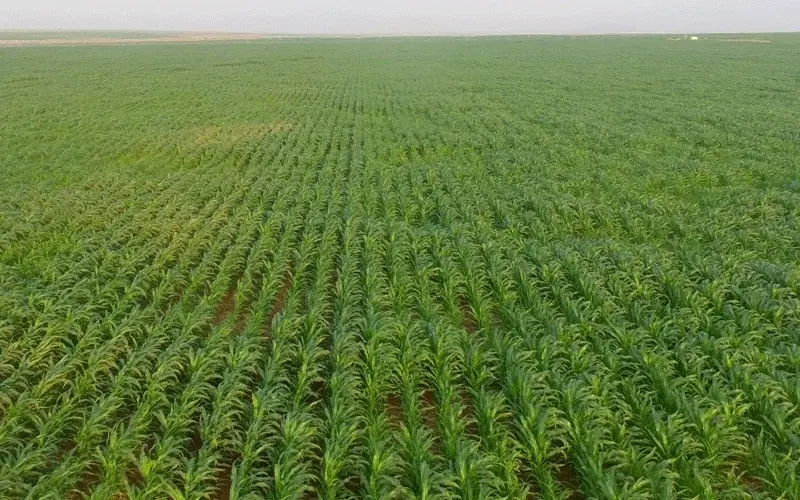
The main risk to Kenya comes through agriculture. Fertiliser is central to crop yields, and any disruption in global supply can quickly raise food-production costs. The Iran conflict has already placed pressure on Gulf shipping routes and fertiliser markets, with the International Food Policy Research Institute noting that Gulf countries accounted for 36 percent of global urea exports between 2023 and 2025.

Urea is one of the most widely used nitrogen fertilisers globally. If prices rise or shipments are delayed, farmers in import-dependent markets can face higher input costs during planting seasons. For Kenya, where agriculture supports millions of livelihoods and contributes significantly to food security, this could reduce yields and push up prices for maize, wheat, vegetables and other staples.
The wider risk is that fertiliser pressure combines with fuel inflation. The World Bank has warned that the Middle East conflict could weaken global growth, raise energy costs and revive inflation, cutting its 2026 global growth forecast to 2.5 percent. For Kenyan households, that could translate into more expensive transport, electricity, food processing and imported goods.
Context is everything. Stay ahead of shifting trends with today’s market updates, and uncover emerging opportunities using the Serrari Group Market Index and Marketplace. Then, take control of your own financial future by exploring our Money & Life Reset Transformation Blueprint ™ to build stronger habits, create better systems, and design a path toward lasting wealth.
Debt Rollovers Add Financial Strain
The Global Peace Index also highlights debt as a major pressure point. It warned that Kenya, Pakistan and Egypt face US$5.1 billion in combined debt rollovers in late 2026, at a time when global market conditions could become less favourable if conflict keeps energy prices high and investors become more risk-averse.
Kenya’s fiscal position is already under close watch. During the 2026/27 budget cycle, East African governments presented spending plans amid concerns over Iran-linked cost shocks, debt strains and commodity volatility, with Kenya seeking to reduce its fiscal deficit over the medium term, according to regional budget reporting.
Debt refinancing becomes harder when global interest rates stay elevated or investors demand higher yields from emerging markets. If Kenya has to refinance debt at higher costs while also spending more on food, fuel or fertiliser support, pressure on the national budget could increase.
Conflict Systems Are Becoming More Connected
The report’s broader message is that conflicts no longer remain geographically contained. The Institute for Economics and Peace argues that global conflicts are becoming more interconnected, spreading through trade routes, commodity markets, debt channels, migration and food systems. Its special supplement on global conflict systems highlights how instability in one region can amplify pressures in another.
For East Africa, the Red Sea and Gulf routes are especially important because they connect energy, fertiliser, grain and shipping flows. Disruption along these routes can raise costs for importers even when countries are not directly involved in the conflict.
Kenya’s vulnerability is therefore not only about war risk, but exposure to the economic channels that war disrupts. Imported fuel affects transport and electricity costs. Imported fertiliser affects farm output. Global financial uncertainty affects debt refinancing. Together, these channels can intensify cost-of-living pressure.
Kenya Needs Buffer Measures Before Late 2026
The warning gives Kenya a narrow window to strengthen resilience before the full food and debt impact is felt. Policy priorities may include securing fertiliser supplies early, improving farmer access to inputs, protecting strategic food reserves, managing fuel-price volatility and reducing pressure from short-term debt refinancing.
The government may also need to accelerate local and regional fertiliser options, strengthen irrigation and support farmers with climate-smart production methods. While Kenya cannot control the Iran conflict, it can reduce exposure to imported shocks by improving supply planning and strengthening fiscal discipline.
The Global Peace Index warning is therefore a reminder that modern conflict can hit households through prices long before it reaches borders. For Kenya, the cost of instability in the Gulf may be felt most clearly in farm inputs, food markets, public debt and the everyday cost of living.
Sources used: Institute for Economics and Peace / Vision of Humanity / Reuters / International Food Policy Research Institute / ReliefWeb / World Bank
Your financial future isn’t something you wait for—it’s something you build.
The real question is: when do you begin?
Move beyond simply staying informed.
Navigate the markets with clarity—track trends through the Serrari Group Market Index, uncover opportunities in the Serrari Marketplace, and build practical knowledge with our Curated Wealth Builder Platform.
Stay connected to what truly matters.
Get daily insights on macro trends and financial movements across Kenya, Africa, and global markets—delivered through the Serrari Newsletter.
Growth opens doors.
Advance your career through professional programs including ACCA, HESI A2, ATI TEAS 7 , HESI EXIT , NCLEX – RN and NCLEX – PN, Financial Literacy!🌟—designed to move you forward with confidence.
See where money is flowing—clearly and in real time.
Track Money Market Funds, Treasury Bills, Treasury Bonds, Green Bonds, and Fixed Deposits, alongside global and African indexes, key economic indicators, and the evolving Crypto and stablecoin landscape—all within Serrari’s Market Index.