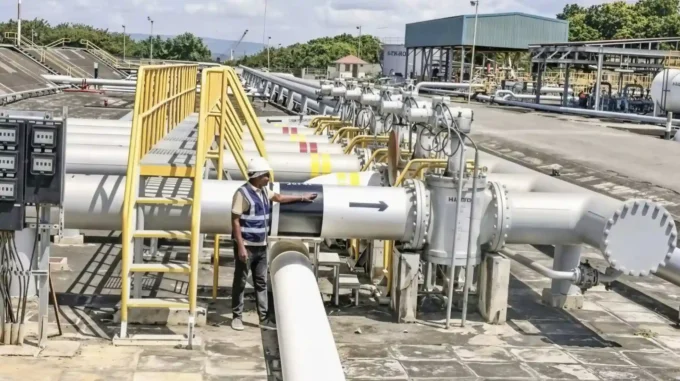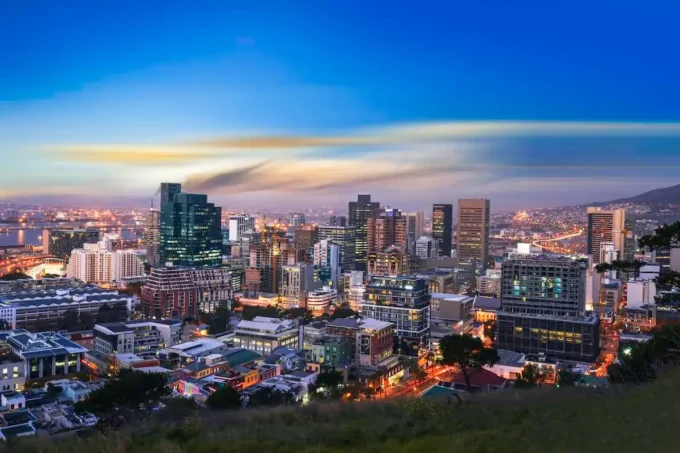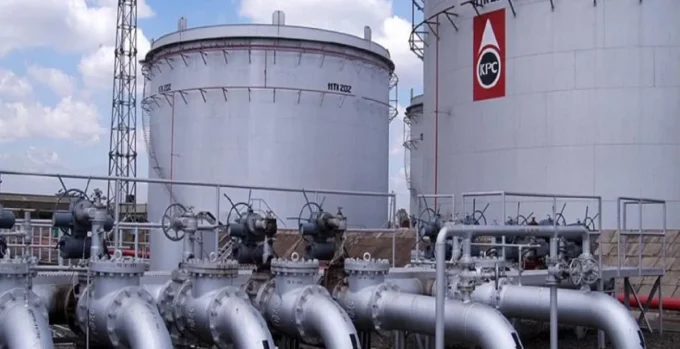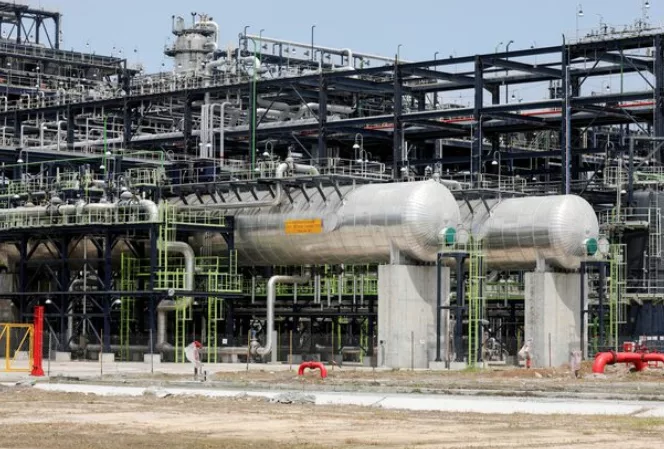
Nigerian industrialist Aliko Dangote says construction of his proposed mega oil refinery in Lamu, Kenya, is expected to begin in October 2026, marking a major step towards one of East Africa’s largest planned industrial investments.
In the latest project update, Dangote said the development is now expected to cost about Sh2 trillion, lower than an earlier estimate of roughly Sh2.2 trillion, with groundbreaking targeted for October before construction begins.
The planned refinery would have capacity to process 700,000 barrels of crude oil per day, positioning Lamu as a major regional refining hub and potentially reducing East Africa’s reliance on imported petroleum products.
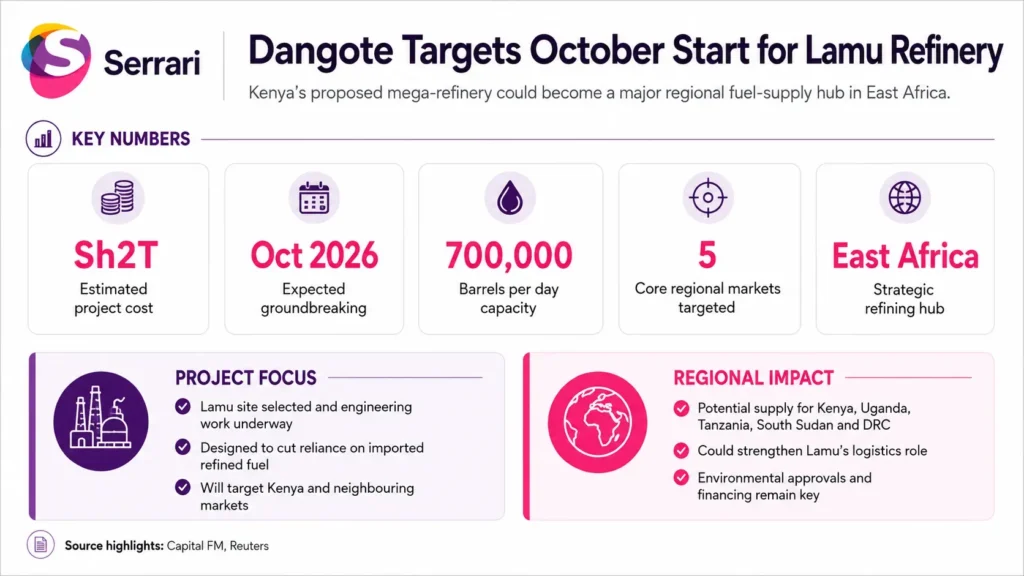
Key Overview
- Construction target: Groundbreaking expected by October 2026.
- Estimated investment: Approximately Sh2 trillion, revised down from around Sh2.2 trillion.
- Processing capacity: 700,000 barrels per day.
- Location: Lamu, on Kenya’s northern coast.
- Target markets: Kenya, Uganda, Tanzania, South Sudan, the Democratic Republic of the Congo and other regional markets.
- Funding: Expected to combine internally generated cash, bonds and capital-market fundraising.
- Strategic objective: Build regional refining capacity and reduce dependence on imported finished petroleum products.
October Groundbreaking Moves Project Closer to Reality
Dangote’s latest announcement moves the proposed refinery from planning towards physical development. He said groundbreaking will take place by October, after which construction is expected to begin.
Preparatory work had already advanced by July. Dangote Industries said the Lamu site had been selected, with soil testing underway and engineering and design work already started. The company described Kenya as its preferred choice after previously considering Tanzania’s Tanga port.
The proposed facility would become Dangote Group’s largest refining investment outside Nigeria. Earlier estimates suggested construction could take around three years, although the final completion timeline will depend on engineering, financing, regulatory approvals and construction progress.
A 700,000-Barrel Regional Refining Hub
At 700,000 barrels per day, the planned Lamu refinery would exceed the current 650,000-bpd nameplate capacity of Dangote’s Lagos facility and would be by far the largest refinery proposed for East Africa.
However, its eventual continental ranking will depend on when it is completed. Dangote is separately pursuing an expansion of the Lagos refinery towards 1.4 million barrels per day, which would make the Nigerian complex considerably larger if that expansion is delivered as planned. The group is also preparing a major capital-markets transaction to finance further growth.
That distinction is important because earlier descriptions of Lamu as Africa’s “second-largest refinery” assume expansion plans elsewhere are completed.
Context is everything. Stay ahead of shifting trends with today’s market updates, and uncover emerging opportunities using the Serrari Group Market Index and Marketplace. Then, take control of your own financial future by exploring our Money & Life Reset Transformation Blueprint ™ to build stronger habits, create better systems, and design a path toward lasting wealth.
Reducing East Africa’s Dependence on Imported Fuel
The strategic case for Lamu centres on East Africa’s heavy dependence on imported refined petroleum.
The proposed refinery is intended to supply Kenya and neighbouring markets, potentially including Uganda, Tanzania, South Sudan and the Democratic Republic of the Congo. In an earlier regional refinery proposal, regional leaders argued that greater domestic refining capacity could reduce exposure to international supply interruptions and sudden movements in imported fuel costs.
Kenya currently imports its finished petroleum products, meaning a domestic refinery of this scale could significantly change the country’s energy supply chain if it operates competitively.
Lamu’s location could also strengthen its role within the broader Lamu Port-South Sudan-Ethiopia Transport corridor. The refinery has been described as a potential anchor investment capable of driving more cargo, logistics activity and supporting infrastructure through Lamu Port.
Financing One of Kenya’s Largest Private Investments
Dangote Industries has indicated that the refinery could be financed through a combination of internal cash flows, bond issuance and proceeds from capital-market fundraising.
The group’s Nigerian refinery business is separately pursuing an IPO expected to raise about $5 billion, although it has not been confirmed that proceeds from that transaction will directly finance Lamu. Kenya’s capital markets have also been discussed as a possible source of investor participation in the wider Dangote fundraising programme.
The revised Sh2 trillion project estimate nevertheless places the Lamu refinery among the most significant private industrial investments ever proposed in Kenya.
Environmental Scrutiny Will Remain a Key Issue
The project’s scale is also attracting environmental scrutiny.
Campaigners have raised concerns about Lamu’s coastal ecosystem, including mangroves, coral reefs, seagrass habitats and fishing livelihoods, while calling for comprehensive environmental and social impact assessments and public consultation before approvals proceed.
Those concerns mean environmental licensing and community engagement are likely to remain important alongside engineering and financing as the project moves towards construction.
If the October groundbreaking proceeds as announced, the Lamu refinery would represent a major escalation of Dangote’s expansion beyond Nigeria and could reshape East Africa’s petroleum market by shifting part of the region’s fuel supply from imported finished products towards locally refined output.
Sources: Capital FM / Reuters / The EastAfrican / Greenpeace Africa
Your financial future isn’t something you wait for—it’s something you build.
The real question is: when do you begin?
Move beyond simply staying informed.
Navigate the markets with clarity—track trends through the Serrari Group Market Index, uncover opportunities in the Serrari Marketplace, and build practical knowledge with our Curated Wealth Builder Platform.
Stay connected to what truly matters.
Get daily insights on macro trends and financial movements across Kenya, Africa, and global markets—delivered through the Serrari Newsletter.
Growth opens doors.
Advance your career through professional programs including ACCA, HESI A2, ATI TEAS 7 , HESI EXIT , NCLEX – RN and NCLEX – PN, Financial Literacy!🌟—designed to move you forward with confidence.
See where money is flowing—clearly and in real time.
Track Money Market Funds, Treasury Bills, Treasury Bonds, Green Bonds, and Fixed Deposits, alongside global and African indexes, key economic indicators, and the evolving Crypto and stablecoin landscape—all within Serrari’s Market Index.