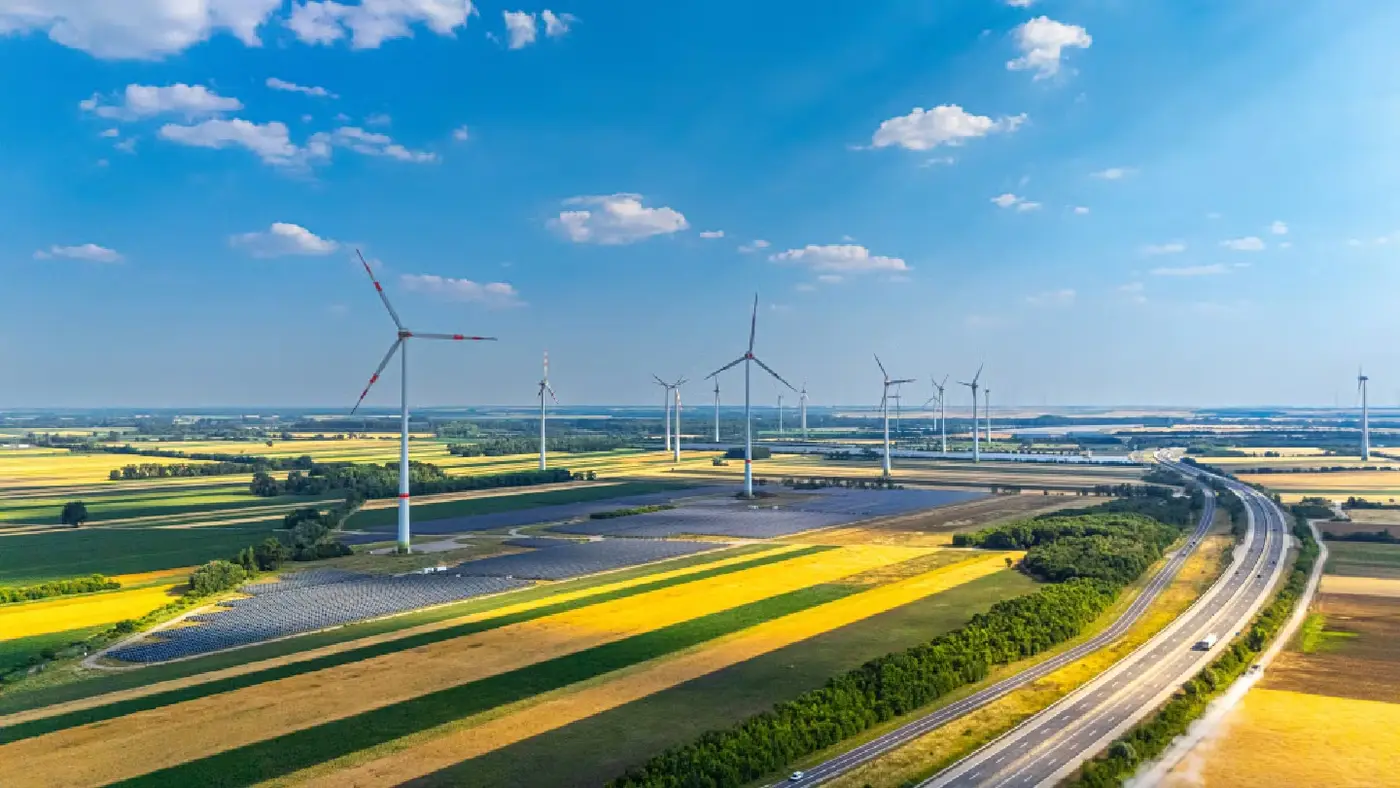
China and Türkiye have signed a preliminary renewable energy cooperation agreement targeting approximately $15 billion in investment. The agreement aims to develop 7,000 MW of combined solar and wind power capacity, new energy storage systems and 4,000 MW of electricity transmission infrastructure. The partnership also seeks to facilitate technology transfer and support domestic wind turbine equipment manufacturing in Türkiye. However, project locations, financing structures and implementation timelines have not yet been disclosed.
Key Takeaways
- China and Türkiye have signed a preliminary renewable energy agreement targeting approximately $15 billion in investment.
- The partnership aims to develop 7,000 MW of combined solar and wind power capacity.
- The agreement also includes new energy storage systems and 4,000 MW of electricity transmission infrastructure.
- Technology transfer and domestic wind turbine equipment manufacturing are among the partnership’s objectives.
- The agreement supports Türkiye’s National Energy 2040 Vision, which targets 175 GW of combined solar and wind capacity.
- Project locations, financing structures and implementation timelines are yet to be disclosed.
What Does the China–Türkiye $15 Billion Renewable Energy Agreement Involve?
China and Türkiye have signed a preliminary agreement for China to invest approximately $15 billion in renewable energy projects across Türkiye. The agreement targets the development of 7,000 megawatts (MW) of combined solar and wind power capacity, alongside new energy storage systems and 4,000 MW of electricity transmission infrastructure.
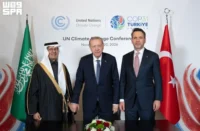
The memorandum of understanding was signed on 12 November 2026 between Türkiye’s Ministry of Energy and Natural Resources and China’s National Energy Administration during the COP31 climate summit in Antalya.
Turkish Energy and Natural Resources Minister Alparslan Bayraktar announced the agreement following its signing, describing it as a partnership intended to expand renewable energy capacity, strengthen energy security and accelerate the country’s green transition.
The agreement is a preliminary cooperation arrangement rather than confirmation that all the proposed projects have secured financing or reached the construction stage. The two sides did not disclose a timeline, project sites, the companies involved, or the cost of the storage and transmission work.
This distinction is important when assessing the $15 billion figure. The announcement establishes the scale of the proposed cooperation, but the actual investment will depend on how the agreement progresses into specific projects, financing arrangements and implementation plans.
Why Does the Agreement Include Energy Storage and Transmission Infrastructure?
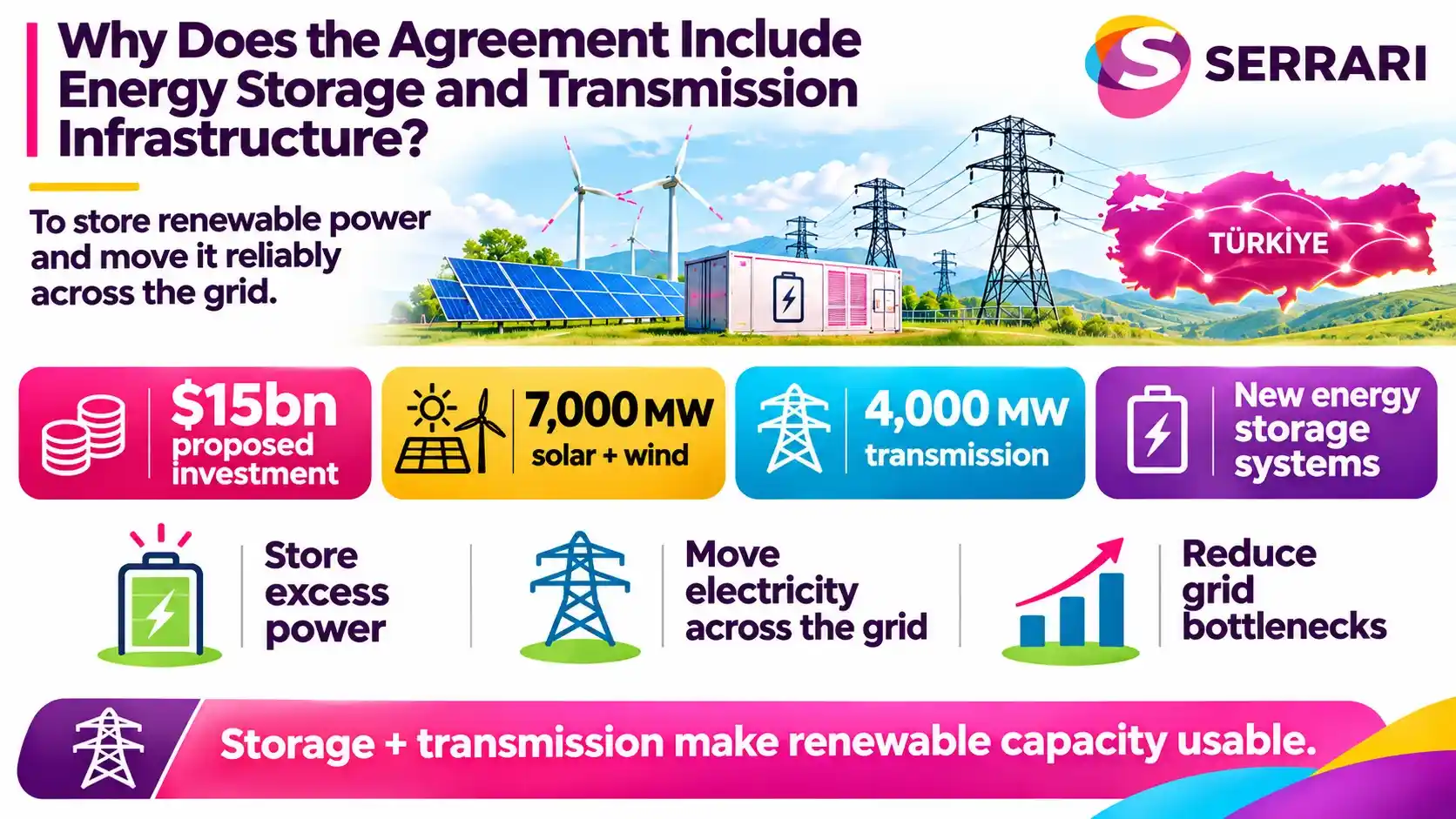
The agreement extends beyond the construction of solar and wind power plants. It also includes new energy storage systems and 4,000 MW of electricity transmission infrastructure.
These components are important because increasing renewable electricity generation requires infrastructure capable of storing and moving the electricity produced.
Solar and wind generation depend on weather conditions. Solar plants generate electricity during daylight hours, while wind generation varies with wind availability. Energy storage systems can help retain electricity for use when generation is lower or demand is higher.
Transmission infrastructure is equally important. It connects electricity generation facilities to consumers and helps move power across different parts of the electricity network. Without sufficient grid capacity, new renewable energy projects may struggle to deliver their electricity even after construction.
The inclusion of 4 GW of transmission infrastructure therefore addresses a central constraint rather than an ancillary feature.
Türkiye has already faced challenges in connecting proposed renewable energy projects to the grid. The 65% of generation capacity seeking transmission-level connections over a 15-month period failed to secure approval, largely because of insufficient available grid capacity.
This highlights why the proposed investment combines generation with storage and transmission. Building more renewable energy capacity will have limited impact if the electricity cannot be efficiently stored, transmitted and delivered.
How Will the Partnership Support Türkiye’s Domestic Energy Industry?
Beyond increasing electricity generation, the agreement is expected to support technology transfer and strengthen Türkiye’s domestic clean energy manufacturing industry.
Minister Bayraktar said the partnership would facilitate the transfer of Chinese technology, particularly in wind turbine equipment manufacturing. This could allow Turkish companies to participate more extensively in renewable energy supply chains.
“This cooperation will expand our renewable energy capacity and enable technology transfer, supporting the production of wind turbine equipment in Türkiye and making a significant contribution to the development of our domestic industry,” Bayraktar said.
The manufacturing component gives the agreement an industrial dimension. Rather than focusing exclusively on importing renewable energy equipment, Türkiye wants to strengthen its ability to participate in producing the equipment needed for its expanding energy sector.
Chinese companies could contribute technical expertise, equipment and manufacturing capabilities, while Turkish businesses could benefit from technology transfer and opportunities to participate in local production.
The partnership also builds on earlier discussions between the two countries. During a visit to China in September 2025, Bayraktar held talks with Chinese officials and companies on potential energy projects, identifying offshore wind power, energy storage and battery manufacturing as areas for closer cooperation.
At the time, he also highlighted opportunities for Chinese companies to establish manufacturing operations in Türkiye, particularly in solar panels and wind turbines.
The latest agreement therefore builds on earlier efforts by Ankara and Beijing to expand cooperation across renewable power, electricity transmission, battery technologies and industrial production.
How Does the Agreement Fit Türkiye’s National Energy 2040 Vision?
The proposed Chinese investment supports Türkiye’s longer-term plans to expand renewable electricity generation and strengthen domestic energy security.
Under its National Energy 2040 Vision, Ankara aims to increase total installed electricity generation capacity from approximately 128 gigawatts (GW) currently to 281 GW by 2040, including 175 GW of combined solar and wind capacity.
The 7,000 MW proposed under the China agreement would contribute to the country’s solar and wind expansion targets.
Türkiye has also established an ambitious renewable energy expansion programme for the years leading up to 2040. Its Renewable Energy 2035 Roadmap initially called for combined wind and solar capacity to rise from approximately 31 GW to 120 GW by 2035.
The country has continued adding solar and wind capacity. Türkiye’s cumulative solar capacity stood at around 26.9 GW by the end of the first half of 2026, after adding 2.1 GW during the first six months of the year and 4.7 GW across 2025.
The wider strategy is not limited to increasing installed capacity. Türkiye also wants to reduce its dependence on imported fuels, improve energy supply security and accelerate the transition towards cleaner electricity generation.
The planned projects would contribute to the country’s efforts to strengthen energy security, reduce dependence on imported fuels and accelerate its transition towards cleaner electricity generation.
The proposed cooperation could therefore support several objectives at once: expanding renewable electricity generation, developing supporting infrastructure and strengthening the domestic manufacturing industry.
Context is everything. Stay ahead of shifting trends with today’s market updates, and uncover emerging opportunities using the Serrari Group Market Index and Marketplace. Then, take control of your own financial future by exploring our Money & Life Reset Transformation Blueprint ™ to build stronger habits, create better systems, and design a path toward lasting wealth.
What Other Renewable Energy Agreements Has Türkiye Signed During COP31?
The China agreement comes as Türkiye advances several other renewable energy and climate finance partnerships during COP31.
Türkiye has also advanced renewable energy cooperation with Saudi Arabia, including plans for an additional 3,000 MW of renewable energy capacity under a broader 5,000 MW framework involving ACWA Power.
The Sivas and Taseli solar projects, which have a combined capacity of 2 GW, form part of the first phase of the wider renewable energy package previously agreed upon by Türkiye and Saudi Arabia.
Separately, the country signed 10 agreements worth $5.1 billion with multilateral development banks to support its green transition, infrastructure resilience and business financing.
The European Bank for Reconstruction and Development (EBRD) also pledged to invest $6 billion in Türkiye’s renewable energy sector over the next five years. The investment is intended to support projects under the Türkiye Renewable Energy Acceleration and Clean Transition (REACT) platform.
These agreements demonstrate Türkiye’s efforts to attract international financing and cooperation to support its energy transition.
The country has also signed a regional clean energy partnership with Azerbaijan, Georgia and Bulgaria aimed at developing cross-border electricity transmission and trade. The initiative could provide a route for clean power supplies from the Caspian region to European markets.
Taken together, these partnerships show that Türkiye is pursuing renewable energy expansion through a combination of foreign investment, development finance, regional cooperation and domestic industrial development.
What Details Are Still Missing From the China Agreement?
Despite the $15 billion headline figure, several important details remain outstanding.
The agreement does not yet identify the Chinese developers, lenders or equipment suppliers that will participate in the projects. It also does not specify the division of the 7,000 MW between solar and wind generation.
Other outstanding details include:
- Project locations and site allocations.
- Construction and commissioning timelines.
- The amount and duration of energy storage capacity.
- Financing structures and ownership arrangements.
- Power-purchase terms and electricity pricing.
- The share of the proposed investment that will qualify as direct foreign investment rather than loans, supplier credits or engineering contracts.
These details will determine how the proposed investment progresses from a cooperation framework into actual renewable energy projects.
Investors should consequently treat the announcement as a high-level commitment that can generate a project pipeline, not as evidence that $15 billion has already been committed.
The next milestones will include implementing agreements, feasibility studies, site allocations and regulatory applications. These steps will provide a clearer picture of the projects’ financial structure, expected construction periods and contribution to Türkiye’s renewable energy capacity.
The Bigger Picture
The China–Türkiye agreement highlights the growing importance of international partnerships in financing renewable energy development. The proposed $15 billion investment combines renewable electricity generation with energy storage, transmission infrastructure and technology transfer.
For Türkiye, the agreement could help address some of the challenges associated with expanding solar and wind capacity while strengthening its domestic clean energy manufacturing industry.
For China, the partnership offers an opportunity to expand cooperation in renewable energy technology, equipment manufacturing and electricity infrastructure.
However, the proposed investment’s actual contribution will depend on implementation. The 7,000 MW generation target and 4,000 MW transmission capacity represent significant ambitions, but they will need to be supported by financing, regulatory approvals, grid connections and construction.
Why Does This Matter Now?
Türkiye is seeking to expand its renewable energy capacity while improving energy security and reducing dependence on imported fuels. At the same time, the country needs substantial investment in electricity transmission and storage to accommodate more renewable generation.
The agreement with China is significant because it brings these priorities together under one cooperation framework. Its proposed investment could support electricity generation, grid infrastructure and domestic manufacturing.
The development also comes amid several other renewable energy and climate finance agreements announced during COP31, highlighting Türkiye’s efforts to attract international partners to its green transition.
The next important development will be whether the preliminary agreement progresses into financed projects with confirmed locations, implementation schedules and participating companies.
Outlook
The proposed $15 billion China–Türkiye renewable energy agreement could become an important part of Türkiye’s long-term energy transition. Its focus on 7,000 MW of solar and wind capacity, energy storage and 4,000 MW of transmission infrastructure addresses several areas required for renewable energy expansion.
The partnership’s potential industrial benefits, particularly technology transfer and domestic wind turbine equipment manufacturing, could also strengthen Türkiye’s position in the renewable energy supply chain.
For now, the agreement remains preliminary. The release of project details, financing arrangements and implementation timelines will be important in determining whether the proposed investment translates into actual renewable energy capacity and infrastructure.
Frequently Asked Questions
1. How much is China planning to invest in Türkiye’s renewable energy sector?
China and Türkiye have signed a preliminary agreement targeting approximately $15 billion in investment for renewable energy projects and supporting electricity infrastructure in Türkiye.
2. How much solar and wind capacity will the agreement develop?
The agreement targets 7,000 MW (7 GW) of combined solar and wind power capacity.
3. Does the agreement include energy storage and electricity transmission?
Yes. It includes plans for new energy storage systems and 4,000 MW (4 GW) of electricity transmission infrastructure.
4. Has construction of the proposed projects started?
The agreement is a preliminary memorandum of understanding. Project locations, financing structures, participating companies and implementation timelines have not yet been disclosed.
Your financial future isn’t something you wait for—it’s something you build.
The real question is: when do you begin?
Move beyond simply staying informed.
Navigate the markets with clarity—track trends through the Serrari Group Market Index, uncover opportunities in the Serrari Marketplace, and build practical knowledge with our Curated Wealth Builder Platform.
Stay connected to what truly matters.
Get daily insights on macro trends and financial movements across Kenya, Africa, and global markets—delivered through the Serrari Newsletter.
Growth opens doors.
Advance your career through professional programs including ACCA, HESI A2, ATI TEAS 7 , HESI EXIT , NCLEX – RN and NCLEX – PN, Financial Literacy!🌟—designed to move you forward with confidence.
See where money is flowing—clearly and in real time.
Track Money Market Funds, Treasury Bills, Treasury Bonds, Green Bonds, and Fixed Deposits, alongside global and African indexes, key economic indicators, and the evolving Crypto and stablecoin landscape—all within Serrari’s Market Index.