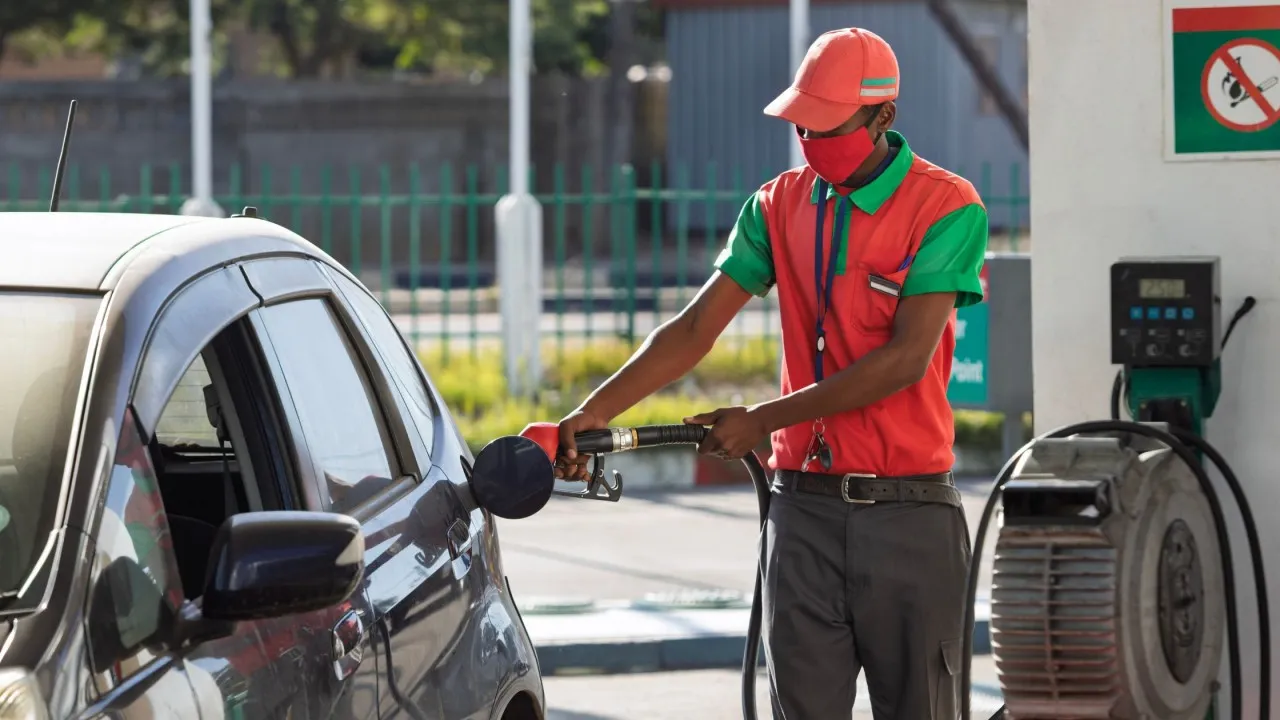
Treasury and Economic Planning Cabinet Secretary John Mbadi has disclosed that Kenya holds only 16 days’ worth of petrol, 19 days of diesel, and 49 days of jet fuel and kerosene stocks as the Iran war disrupts global energy supply chains. Appearing before a parliamentary committee on April 2, 2026, Mbadi said the current fuel pricing cycle ending April 14 would not be affected since the product was shipped before the conflict escalated, but warned that imports for May and June would reflect sharply higher global prices. The government is considering converting VAT on fuel from an ad valorem system to a specific tax model to limit future price spikes, and has set aside billions for a stabilisation fund — though Mbadi acknowledged Sh17 billion would be insufficient to fully absorb the shock. Kenya sources all its petroleum from the Middle East under government-to-government agreements with Gulf oil companies, making it acutely vulnerable to the closure of the Strait of Hormuz, through which 20% of global oil supplies normally transit. Incoming shipments are expected to boost petrol stocks to 47 days’ cover, but their timely arrival remains uncertain.
Key Overview
- Petrol Stocks: 138,623 metric tonnes (16 days of cover as of March 30)
- Diesel Stocks: 207,841 metric tonnes (19 days of cover)
- Jet Fuel/Kerosene Stocks: 150,398 metric tonnes (49 days of cover)
- Monthly Fuel Demand: 255,000 MT petrol; 170,000 MT diesel; 80,000 MT jet fuel
- Current Pump Prices (Nairobi): Petrol Sh178.28/litre; Diesel Sh166.54/litre; Kerosene Sh152.78/litre
- Pricing Cycle: March 15 – April 14, 2026 (unchanged from previous cycle)
- Government Fuel Source: G-to-G deals with Saudi Aramco, ADNOC, and Emirates National Oil Company
- Projected Revenue Loss: Approximately Sh60 billion in 2025/26 from war disruptions
- Tax Reform Under Consideration: Shift from ad valorem VAT on fuel to specific (fixed per litre) tax
- Global Oil Context: Brent crude above $109/barrel; Strait of Hormuz effectively closed since early March
Markets move fast; don’t get left behind. We’ve paired the Serrari Group Market Index with a curated Marketplace and a comprehensive Wealth Builder Course to ensure you have the data—and the skills—to act on it.
Stocks That Cannot Last a Month
The numbers disclosed by CS Mbadi paint a sobering picture of Kenya’s energy vulnerability. As of March 30, 2026, the country held 138,623 metric tonnes of super petrol — enough for only 16 days — against a monthly national demand of approximately 255,000 metric tonnes. Diesel stocks of 207,841 metric tonnes provide 19 days of cover against monthly demand of 170,000 metric tonnes. Only jet fuel, at 150,398 metric tonnes covering 49 days, offers a comfortable buffer relative to the 80,000 metric tonnes consumed monthly.
These levels fall below the regulatory requirement. Kenya’s petroleum regulations require importers to hold a minimum of 21 days of stock, meaning both petrol and diesel are currently below the mandated threshold. Mbadi acknowledged the tightness but emphasised that incoming shipments between March and April are expected to significantly replenish reserves, with petrol stocks projected to reach 290,000 metric tonnes — equivalent to approximately 47 days of cover.
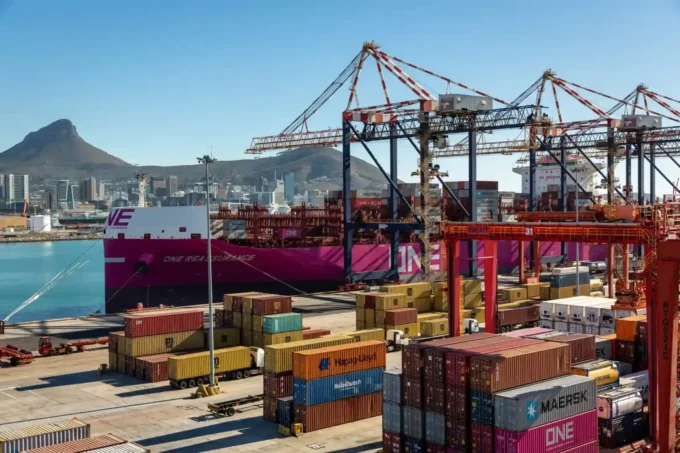
The critical uncertainty, however, lies in whether those shipments will arrive on schedule. Mbadi told lawmakers that the cargoes are in transit but that “emerging deterioration of sovereign risk and re-tightening global markets make timely delivery uncertain.” According to Kenya Ports Authority schedules, 52 vessels were scheduled to dock at Mombasa between March 23 and April 5, but only two were tankers — and neither carried petroleum products. The absence of fuel-carrying tankers at the port underscores the real-world consequences of the Strait of Hormuz closure on East African supply chains.
The Current Pricing Cycle: A Brief Window of Protection
Mbadi reassured Kenyans that the current fuel pricing cycle — running from March 15 to April 14, 2026 — would not be affected by the conflict because the fuel being sold at pumps was shipped and priced before the war escalated. The Energy and Petroleum Regulatory Authority (EPRA) confirmed that the calculations were based on vessels received and discharged between February 10 and March 9, 2026 — predominantly February-priced cargoes.
Under the current cycle, pump prices in Nairobi remain at Sh178.28 per litre for petrol, Sh166.54 for diesel, and Sh152.78 for kerosene. EPRA used the price stabilisation fund to absorb increases of Sh6.53 on diesel and Sh6.66 on kerosene that would otherwise have been passed on to consumers.
But this protection is time-limited. Mbadi was blunt about what comes next: “Imports for May and June are likely to reflect higher global prices, posing a risk of increases in domestic pump prices with attendant inflationary and fiscal pressures,” he told lawmakers. With Brent crude having surged from an average of $63 per barrel in February to above $109 in early April, the gap between what Kenya is paying at the pump and what the global market demands is widening rapidly.
Billions to Cushion the Blow — But Not Enough
The government has signalled its willingness to deploy fiscal resources to protect consumers, but the scale of the challenge is daunting. Mbadi told the parliamentary committee that Sh17 billion earmarked for price stabilisation would not be sufficient to hold prices at current levels if global costs remain elevated through the next pricing cycle.
To address this structural mismatch, the government is exploring a significant change to how fuel is taxed. Mbadi disclosed that the Treasury is considering shifting VAT on fuel from an ad valorem system — where tax is charged as a percentage of the product’s value — to a specific tax model that imposes a fixed amount per litre. Under the current ad valorem structure, as global oil prices rise, so does the VAT charged on fuel — amplifying the price impact on consumers. A specific tax would decouple the government’s revenue take from international price movements, providing a more predictable cost structure at the pump.
The proposal, once finalised, would need to be tabled in Parliament for approval. Taxes and levies already account for nearly 45% of the retail price of petrol in Nairobi, meaning any adjustment to the tax framework could materially affect pump prices — and government revenue.
The Government-to-Government Lifeline Under Strain
Kenya’s fuel supply architecture is built around government-to-government procurement agreements signed in March 2023 with Saudi Aramco, Abu Dhabi National Oil Company (ADNOC), and Emirates National Oil Company. These deals, struck originally to address a dollar shortage crisis, allow Kenya to import fuel on 180-day credit terms — providing the country with a crucial cash flow advantage and helping to stabilise supply.
President William Ruto has repeatedly pointed to the G-to-G arrangement as a strategic buffer. In a statement on March 30, he said the mechanism “has cushioned Kenyans from immediate shocks” and described it as “both prudent and forward-looking.”
But the Iran war is testing the limits of this arrangement. A major ADNOC refinery that produces fuel for Kenya and Uganda was hit during the conflict, prompting the company to invoke force majeure on its supply contracts. This means ADNOC has formally declared its inability to fulfil delivery obligations — a development that strikes at the heart of Kenya’s fuel security. According to the Daily Nation, the energy ministry is now pushing to secure emergency supplies from India, Oman, and Al-Fujairah as stop-gap measures while the primary supply routes remain disrupted.
Mbadi said suppliers under the G-to-G agreements are sourcing fuel from alternative routes, particularly in Europe and India, to bypass disruptions in the Strait of Hormuz. However, longer shipping routes mean higher freight costs and extended delivery times — factors that will inevitably feed into future pump prices even if the conflict ends.
Context is everything. While you follow today’s updates, use the Serrari Group Market Index and Marketplace to spot emerging shifts. Need to sharpen your edge? Our Wealth Builder Course turns these insights into a professional-grade strategy.
The Revenue Hit: Sh60 Billion and Counting
The fiscal implications extend well beyond fuel prices. Mbadi told lawmakers that preliminary analysis shows the Middle East conflict could cost Kenya approximately Sh60 billion in lost revenue in 2025/26, depending on the war’s duration. He identified petroleum imports, which generate roughly Sh30 billion monthly in taxes and levies, as the most immediate revenue risk — noting that tax collections are slowing as import volumes decline. Additionally, Sh273 billion in annual revenue associated with broader Middle East imports is at risk if supply chain disruptions persist.
The revenue shortfall comes at an inopportune moment. Kenya’s economy was already navigating post-reform fiscal consolidation, with inflation at 4.3% in February and the shilling relatively stable at around Sh129 to the dollar. The Central Bank of Kenya had noted in its weekly bulletin that Murban crude oil — Kenya’s primary import benchmark — surged from Sh8,063 per barrel in early January to Sh11,915 per barrel by mid-March, a nearly 50% increase that has yet to fully flow through to consumer prices.
The Regional Domino Effect
Kenya’s fuel vulnerability is shared across East Africa. Landlocked neighbours including Uganda, Rwanda, Burundi, South Sudan, and the Democratic Republic of Congo depend on fuel imports routed through the Kenyan port of Mombasa and Tanzania’s Dar es Salaam. A report by The EastAfrican noted that approximately 90 vessels were expected at Mombasa and Dar es Salaam over a two-week period, but none carried fuel cargo — a finding that illustrates the depth of the supply chain disruption.
Neighbouring countries are already feeling the impact. Ethiopia has hiked fuel prices by up to 26% since February and imposed restrictions prioritising public transport and security institutions. Tanzania imposed a Sh50 per litre increase on motorists. Uganda’s energy minister has warned that domestic prices may rise if global markets continue to deteriorate, though the government has attempted to hedge supply through alternative sourcing arrangements.
Across the continent, the response has varied. South Africa cut its fuel levy by R3 per litre for one month, absorbing R6 billion in lost revenue. Namibia slashed fuel levies by 50% for three months. Eswatini raised pump prices outright. Each country is calibrating its response based on fiscal capacity, strategic reserves, and the political tolerance for price increases — but all are confronting the same underlying reality: the closure of the Strait of Hormuz has fundamentally disrupted the energy supply chain that Africa depends upon.
Panic Buying and Market Distortions
Even as officials project calm, the domestic market is showing signs of stress. The Petroleum Outlets Association of Kenya reported that approximately 20% of the country’s 3,100 retail fuel stations were experiencing short supply, with the association’s chairman warning that a “total crisis” could emerge within two weeks if Hormuz-related disruptions continue.
Vivo Energy Kenya, which distributes Shell-branded fuel and controls roughly 20% of the market, publicly confirmed stock-outs at major filling stations. TotalEnergies and Rubis, which together hold approximately 28% of the market, have also faced intermittent shortages. Energy Cabinet Secretary Opiyo Wandayi responded by warning oil companies against “product hoarding and speculative withholding”, threatening sanctions against firms that fail to sell at EPRA-regulated prices.
Mbadi echoed this message, urging Kenyans to stop speculating on fuel prices. “We are the ones distorting petrol prices in this country,” he said, adding that the government was doing everything possible to ensure pumps are filled and prices remain affordable.
What Comes Next: A Race Against the Clock
The next critical milestone is April 14, when EPRA will announce new pump prices for the cycle running through mid-May. Those prices will, for the first time, reflect fuel imports priced during the war — and the gap between pre-war and current oil costs is vast. Brent crude has surged more than 60% since the conflict began. Unless the government significantly expands its stabilisation spending, Kenyan motorists and businesses face a substantial price increase at the pump.
The Treasury’s proposed shift to a specific VAT model could provide structural relief, but legislative approval and implementation will take time. In the interim, Kenya’s fuel security depends on three variables outside the government’s direct control: whether incoming tanker shipments arrive on schedule, whether the Strait of Hormuz reopens, and whether the Iran war de-escalates before strategic reserves and alternative supply routes are exhausted.
For a country that imports 100% of its refined petroleum and sources all of it from the Middle East, the next two weeks may be the most consequential for energy security in a generation.
Your financial future isn’t something you wait for—it’s something you build.
The real question is: when do you begin?
Move beyond simply staying informed.
Navigate the markets with clarity—track trends through the Serrari Group Market Index, uncover opportunities in the Serrari Marketplace, and build practical knowledge with our Curated Wealth Builder Course.
Stay connected to what truly matters.
Get daily insights on macro trends and financial movements across Kenya, Africa, and global markets—delivered through the Serrari Newsletter.
Growth opens doors.
Advance your career through professional programs including ACCA, HESI A2, ATI TEAS 7 , HESI EXIT , NCLEX – RN and NCLEX – PN, Financial Literacy!🌟—designed to move you forward with confidence.
See where money is flowing—clearly and in real time.
Track Money Market Funds, Treasury Bills, Treasury Bonds, Green Bonds, and Fixed Deposits, alongside global and African indexes, key economic indicators, and the evolving Crypto and stablecoin landscape—all within Serrari’s Market Index.