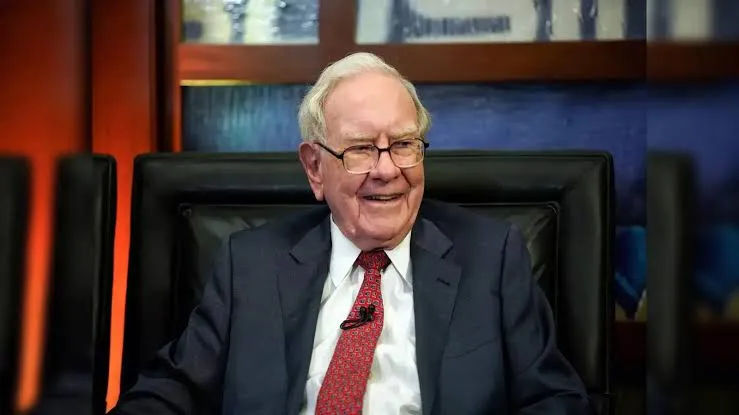
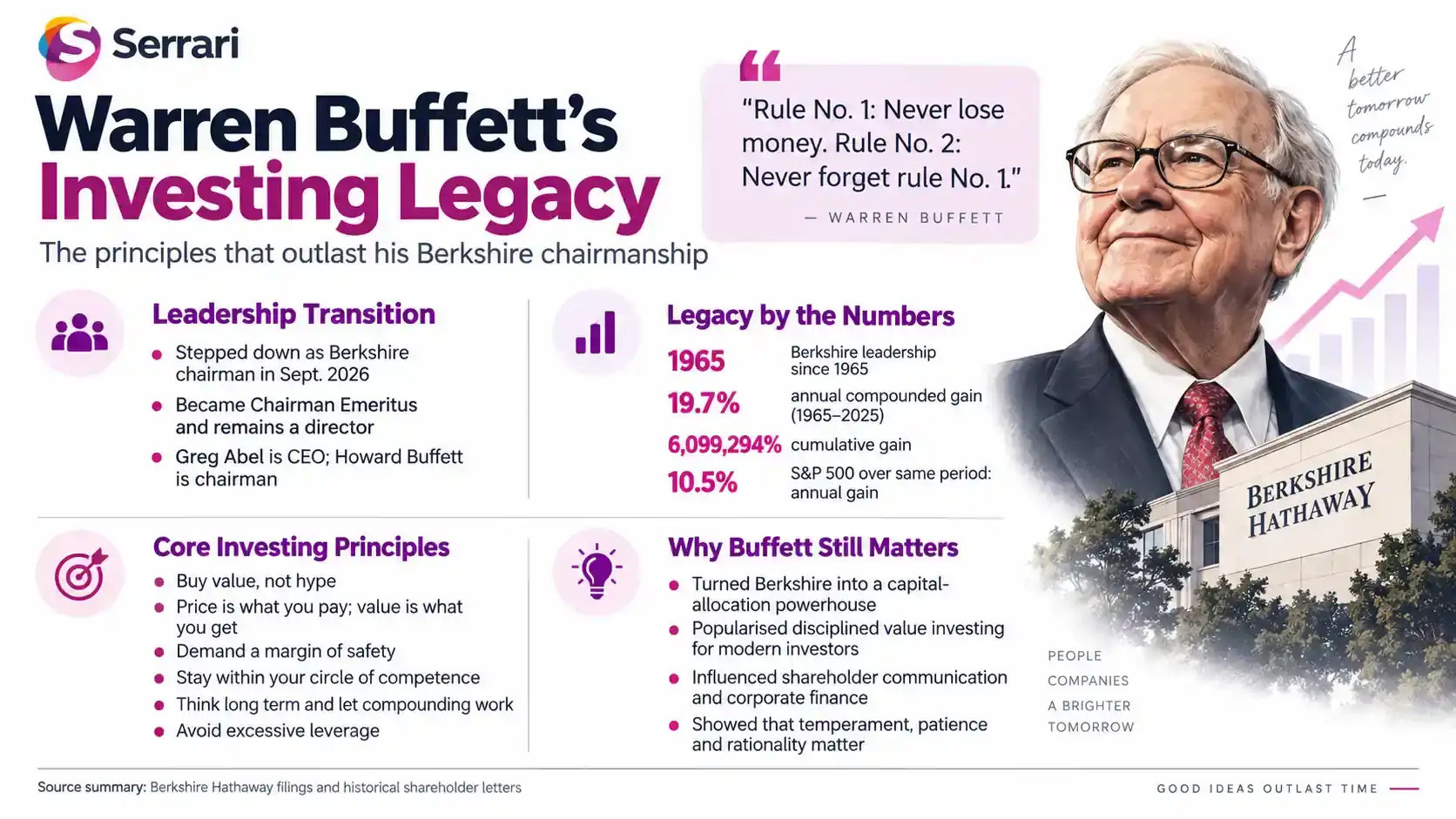
Warren Buffett’s six-decade tenure at the top of Berkshire Hathaway has formally ended. On September 18, 2026, Buffett became Chairman Emeritus, remaining a Berkshire director while Howard G. Buffett assumed the chairmanship. Greg Abel, who succeeded Buffett as chief executive at the beginning of 2026, continues to run the conglomerate under the formal succession arrangement.
The leadership transition closes one of the most consequential chapters in modern finance. Buffett took control of a struggling textile company in 1965 and transformed it into a conglomerate spanning insurance, railroads, energy, manufacturing, consumer businesses and one of the world’s most closely followed equity portfolios.
Yet Buffett’s most important legacy may not be Berkshire itself. It is the investing framework he helped popularise: buy businesses rather than pieces of paper, distinguish price from value, demand a margin of safety, avoid permanent losses, remain within your circle of competence and allow compounding enough time to work.
His record also shows that successful investing does not require perfect forecasts or constant activity. Buffett made major mistakes, missed opportunities and changed his thinking repeatedly. What distinguished his career was the ability to survive errors while allowing a relatively small number of exceptional decisions to compound for decades.
Key Overview
- Buffett became Chairman Emeritus on September 18, 2026, while remaining a Berkshire director.
- He took control of Berkshire Hathaway in 1965 and transformed it from a declining textile company into a diversified global conglomerate.
- Berkshire shares compounded at 19.7% annually from 1965 through 2025, compared with 10.5% for the S&P 500 including dividends.
- Berkshire’s cumulative gain from 1964 through 2025 reached approximately 6,099,294%, versus 46,061% for the S&P 500.
- Buffett’s philosophy evolved from buying deeply discounted assets toward owning exceptional businesses at sensible prices.
- Benjamin Graham supplied the foundations of value investing, while Charlie Munger helped Buffett put greater emphasis on business quality.
- Buffett’s core principles include intrinsic value, margin of safety, patience, economic moats, disciplined capital allocation and limited leverage.
- Berkshire’s insurance float became one of the most important funding engines behind its growth.
- Buffett also influenced corporate finance through his views on buybacks, acquisitions, shareholder communication and owner-oriented management.
- His chairmanship has ended, but the framework he built remains one of the most influential bodies of practical investment thinking in modern finance.
From Omaha to Benjamin Graham
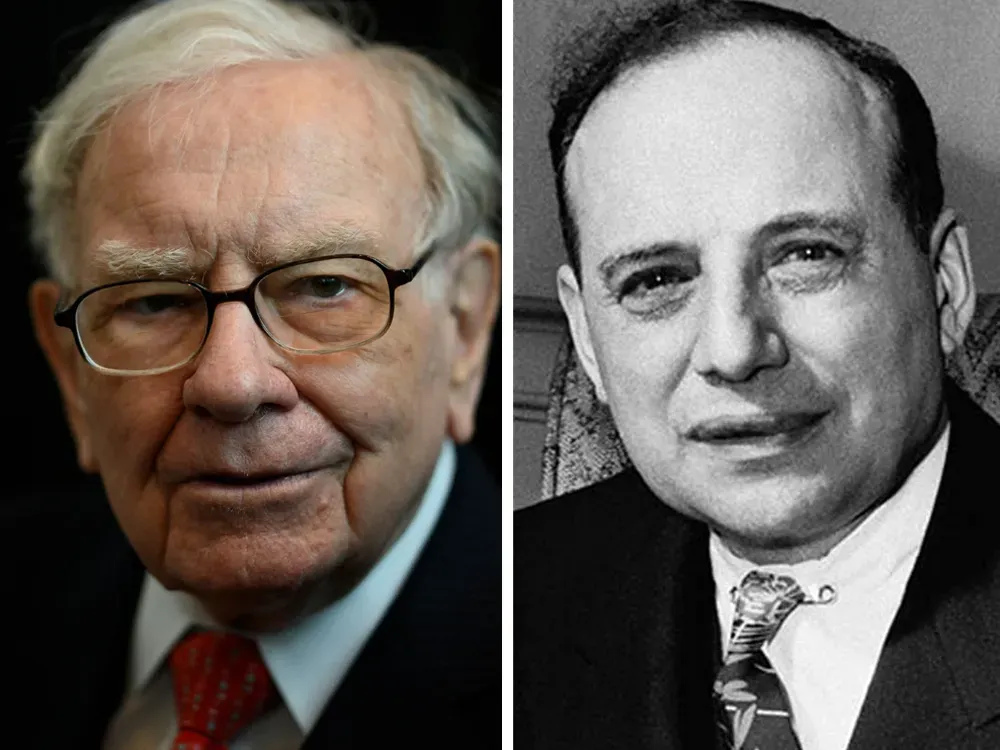
Warren Edward Buffett was born in Omaha, Nebraska, in 1930. His fascination with business appeared early: buying and reselling products, delivering newspapers and studying numbers long before he entered professional finance.
The decisive intellectual turning point came at Columbia Business School. Buffett studied under Benjamin Graham, who, together with David Dodd, had developed the framework that became known as value investing. The history of the value-investing tradition records Buffett as one of Graham’s most famous students and shows how closely his early approach was connected to Graham’s teachings.
Buffett later worked for Graham before returning to Omaha and establishing his own investment partnerships.
The original philosophy was relatively straightforward:
Estimate what an asset is worth. Buy it for materially less. Leave room for error.
That final point became the margin of safety, one of the foundations of Buffett’s investment framework.
Berkshire Hathaway Began as a Mistake
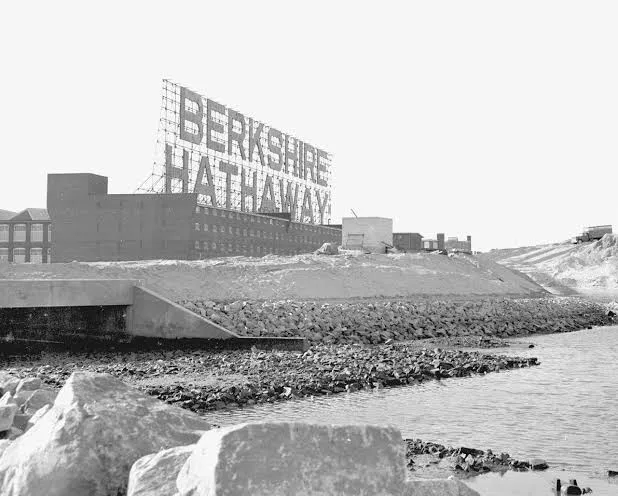
One of the great ironies of Buffett’s career is that Berkshire Hathaway itself was not initially a brilliant investment.
It was a declining New England textile manufacturer operating in a structurally difficult industry. Buffett accumulated shares because they appeared cheap relative to their assets.
He later described taking control of the company as a bad decision driven partly by emotion after a disagreement over the price of a tender offer. In his retrospective on Berkshire’s early years, Buffett described the decision as “monumentally stupid.”
But the corporate shell Berkshire provided eventually became extraordinarily valuable.
Instead of attempting to make textiles the centre of Berkshire’s future, Buffett redirected capital into businesses with better economics.
One of the most important early moves was the acquisition of National Indemnity in 1967, which pushed Berkshire deeper into insurance. Insurance would eventually become the financial engine that helped Buffett deploy enormous amounts of capital.
The textile mills disappeared.
Berkshire survived.
And the company gradually became something very different: a capital-allocation machine.
The Numbers Behind Buffett’s Record
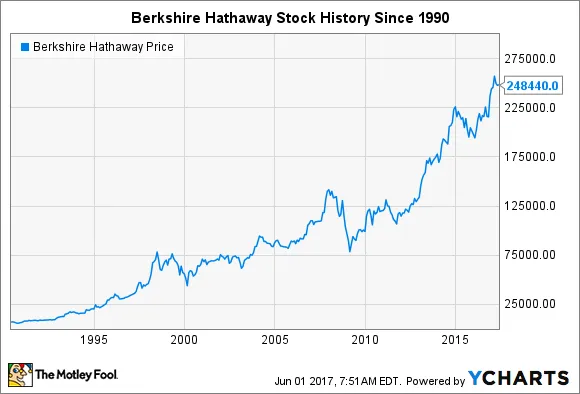
Buffett’s reputation rests partly on philosophy, but the historical returns help explain why investors paid attention.
The 2025 performance record shows that Berkshire’s per-share market value compounded at approximately 19.7% annually between 1965 and 2025, compared with 10.5% for the S&P 500 including dividends.
| Performance measure | Berkshire Hathaway | S&P 500 with dividends |
| Compound annual gain, 1965–2025 | 19.7% | 10.5% |
| Overall gain, 1964–2025 | 6,099,294% | 46,061% |
The difference between 19.7% and 10.5% can look relatively modest when viewed over one year.
Across six decades, it becomes enormous.
That is one of Buffett’s central lessons in numerical form:
Compounding becomes extraordinary when a good return survives for an extraordinary length of time.
Buffett Did Not Invent Value Investing
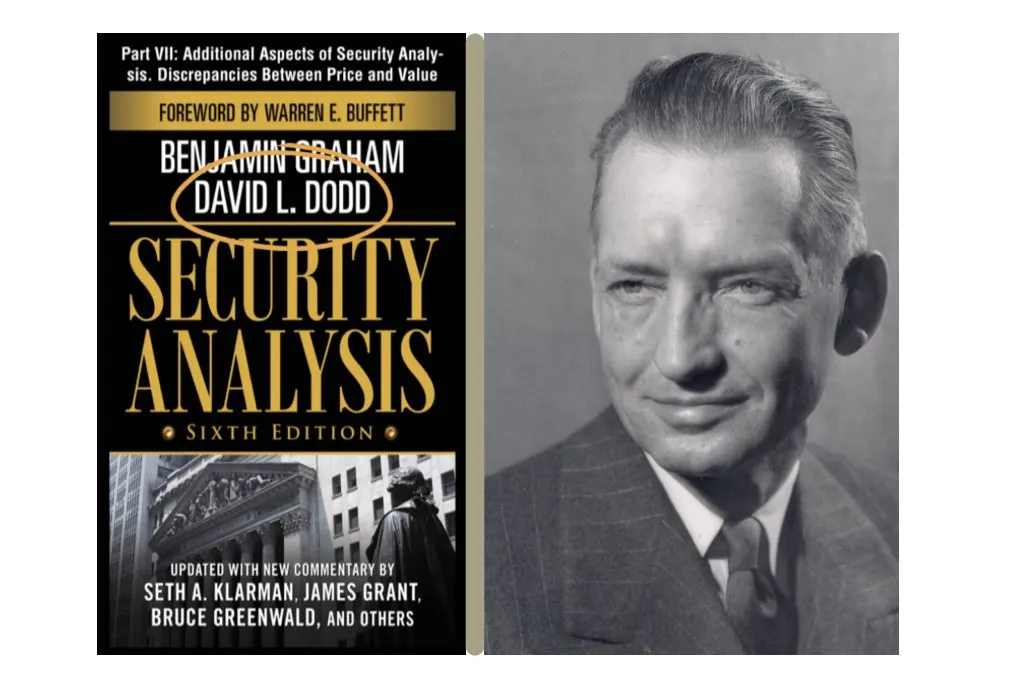
Buffett is sometimes described as the father of value investing. That is inaccurate.
Benjamin Graham and David Dodd built its intellectual foundations decades earlier. Graham’s work emphasised valuation, balance-sheet protection and purchasing securities at prices sufficiently below estimated worth.
Buffett became perhaps the philosophy’s most successful practitioner — and then materially changed it.
Early Buffett investments often resembled what he called “cigar butts”: mediocre or struggling businesses available so cheaply that an investor might still extract one final profitable “puff.”
But cheap businesses came with a problem.
Eventually, Buffett discovered that mediocre economics could overwhelm an initially attractive purchase price.
Charlie Munger Changed What Buffett Looked For
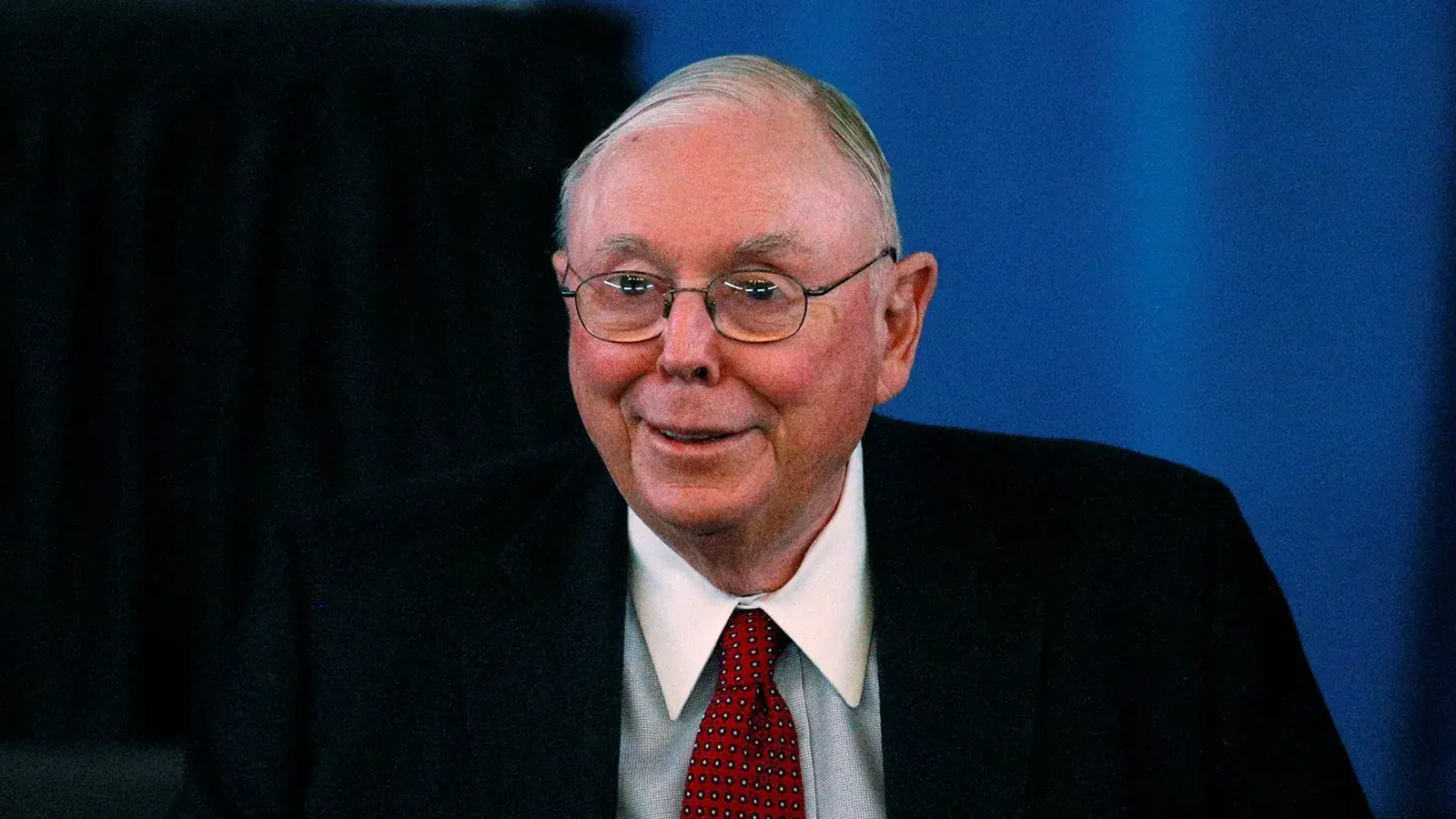
Charlie Munger, Buffett’s longtime partner and Berkshire vice chairman until his death in 2023, was crucial to that evolution.
Munger encouraged Buffett to focus more heavily on companies possessing outstanding economics rather than simply buying the statistically cheapest securities available.
Buffett summarised the shift in his 1989 shareholder letter:
“It’s far better to buy a wonderful company at a fair price than a fair company at a wonderful price.”
The shift was profound.
Instead of asking only:
“How cheap is this company?”
Buffett increasingly asked:
“How good is this business, and what is a rational price for owning it?”
That distinction helped move Berkshire toward companies with powerful brands, durable economics and the ability to reinvest capital profitably.
Value Investing Is Not Simply Buying Cheap Stocks
One of Buffett’s most misunderstood ideas is that value investing means buying companies with low price-to-earnings ratios, low price-to-book ratios or high dividend yields.
Buffett rejected that definition.
In his 1992 discussion of value and growth investing, he argued that the phrase “value investing” is almost redundant because investing itself should involve seeking sufficient value for the price being paid.
A low P/E ratio does not automatically mean a company is undervalued.
A high P/E ratio does not automatically mean it is overvalued.
A fast-growing company may destroy value if each additional dollar invested earns poor returns.
A slowly growing company may create enormous value if it produces abundant cash and requires little additional capital.
Buffett ultimately focused on economics, not labels.
Intrinsic Value: What Is the Business Actually Worth?
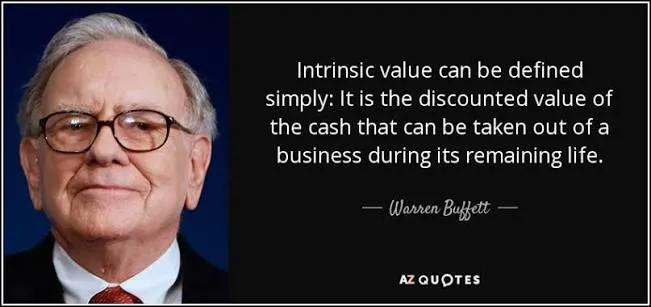
Buffett defined intrinsic value as the present value of the cash that can ultimately be extracted from a business.
His 1994 explanation of intrinsic value emphasised that the number is necessarily an estimate because future cash flows and interest rates are uncertain.
This distinction is fundamental:
Market price is observable.
Intrinsic value must be estimated.
The stock market may quote a company at KSh100, $50 or $500 per share. That tells an investor the transaction price.
It does not tell the investor whether the business is actually worth that amount.
Buffett’s job as an investor was therefore not primarily to predict where a stock price would move next.
It was to ask:
What is this business likely to produce for its owners over its remaining life, and what should I rationally pay for those economics today?
“Price Is What You Pay; Value Is What You Get”
Few Buffett lines capture the philosophy more concisely.
Buffett repeated Benjamin Graham’s lesson:
“Price is what you pay; value is what you get.”
The principle runs throughout Buffett’s thinking about business valuation and shareholder returns.
The implication is simple.
A falling share price does not necessarily mean value has been destroyed.
A rising share price does not necessarily mean value has been created.
The investor must continually separate the quote from the business.
Rule No. 1: Never Lose Money
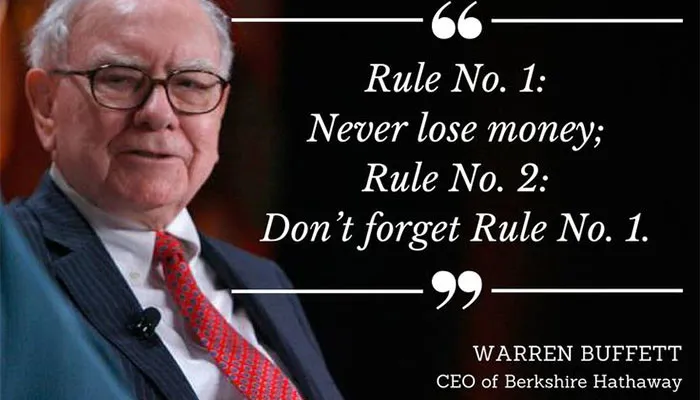
Perhaps Buffett’s most famous rule is:
“Rule No. 1: Never lose money. Rule No. 2: Never forget rule No. 1.”
The wording is widely attributed to Buffett and appears throughout collections of his most frequently cited investing principles.
Taken literally, the rule cannot mean avoiding every temporary loss.
Berkshire shares have fallen sharply at times.
Buffett has made investments that went to zero.
Instead, the principle is better understood as a warning against permanent destruction of capital.
Do not take risks that can remove you from the game.
Do not use excessive leverage.
Do not pay prices that leave no margin for error.
Do not invest in businesses whose economics you cannot reasonably assess.
And do not jeopardise what you already have for a marginal increase in return.
That philosophy connects directly with Berkshire’s long-standing reluctance to over-leverage its balance sheet and its owner-related principles on financial strength.
Margin of Safety: Leave Room to Be Wrong
Buffett did not assume his estimates would always be correct.
That is why price mattered.
In his 1992 letter he explained that Berkshire would not buy merely because its estimate of intrinsic value was slightly above the market price.
There had to be a meaningful cushion.
He described the margin-of-safety principle, inherited from Graham, as the cornerstone of investment success.
Suppose an investor calculates that a company is worth $100 per share.
Buying at $98 allows almost no room for analytical error.
Buying at $70 provides more protection if the original assumptions prove too optimistic.
The point is not that valuation can be perfectly precise.
It is exactly the opposite.
Because valuation is uncertain, the price should compensate for that uncertainty.
Stay Inside Your Circle of Competence
Buffett never claimed investors must understand every company.
He argued they should understand the boundaries of what they know.
His discussion of predictable businesses explains why Berkshire preferred companies whose future economics could be assessed with reasonable confidence.
This idea became known as the circle of competence.
Two investors can have different circles.
A doctor may understand healthcare businesses better than semiconductors.
An engineer may understand industrial companies better than banks.
The objective is not to make the circle enormous.
It is to know where its edges are.
Buy Businesses, Not Ticker Symbols
Buffett’s approach treats common shares as pieces of businesses.
A stock is not merely:
- a price chart;
- a ticker;
- a momentum signal;
- something to sell because today’s quotation is lower than yesterday’s.
Berkshire’s owner-oriented business principles describe shareholders as owners of businesses rather than holders of pieces of paper whose prices fluctuate every day.
That mindset changes the investor’s questions.
Instead of:
“Will the stock rise next month?”
Buffett asks questions such as:
- Is the business profitable?
- Does it generate cash?
- Can competitors easily attack it?
- Does it need enormous capital merely to stand still?
- Can management reinvest earnings intelligently?
- Will the economics be stronger ten years from now?
Buffett’s Real Time Horizon Was Decades
Buffett’s philosophy becomes much harder to imitate when patience enters the equation.
He wrote in his 1996 shareholder letter:
“If you aren’t willing to own a stock for ten years, don’t even think about owning it for ten minutes.”
This does not mean investors should blindly hold deteriorating businesses forever.
Buffett sold when long-term economics changed.
The principle is that the original purchase should be based on a business capable of creating value over many years — not on the hope that someone else will pay more for the shares next week.
Economic Moats: Why Some Businesses Stay Exceptional
Buffett increasingly preferred companies protected by durable competitive advantages — often described as economic moats.
A moat can take many forms:
- exceptional brand loyalty;
- network effects;
- low-cost production;
- distribution power;
- regulatory advantages;
- customer habit;
- switching costs;
- unique infrastructure;
- economies of scale.
The objective is not merely to find a profitable company.
Competitors attack profitable companies.
The stronger question is:
What prevents competitors from taking those profits away?
This thinking helps explain Berkshire’s long-running attraction to businesses such as Coca-Cola, American Express, GEICO and Apple.
At the end of 2025, Berkshire still held major positions in Apple, American Express, Coca-Cola and Moody’s. The 2025 equity holdings disclosure valued those four holdings at roughly $158.6 billion combined.
Coca-Cola, American Express and Apple: Different Eras, Same Logic
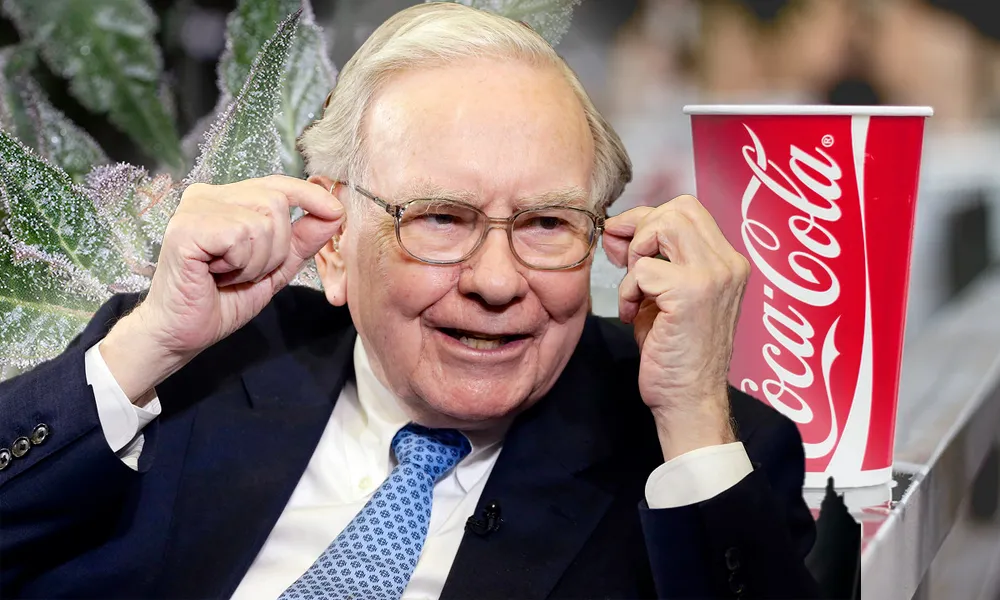
Buffett’s investments changed with the economy.
His underlying questions changed much less.
Coca-Cola illustrated brand power, worldwide distribution, repeat consumption and relatively modest capital requirements.
American Express illustrated the value of a trusted financial network and customer franchise.
Apple demonstrated how far Buffett’s thinking had evolved from his early avoidance of technology companies. Berkshire came to see Apple less as a technology speculation and more as an extraordinarily powerful consumer ecosystem with loyal users, pricing power and huge cash generation.
The businesses are very different.
The common thread is economic durability.
Insurance Float: Berkshire’s Hidden Financial Engine
One of Buffett’s greatest contributions to corporate finance was recognising how powerful well-managed insurance operations could become inside a capital-allocation business.
Insurance companies collect premiums before many claims are ultimately paid.
During that period, they hold funds known as float.
Those funds still belong economically to policyholders because future claims must be paid, but insurers can invest them while they are held.
If underwriting is disciplined enough that premiums roughly cover claims and expenses, the float can become an exceptionally attractive form of financing.
By the end of 2025, Berkshire’s insurance float had reached $176 billion, up from $88 billion a decade earlier, according to its latest insurance operating disclosure.
This is one reason GEICO, National Indemnity and Berkshire’s reinsurance operations became so important.
Buffett did not merely find stocks.
He built a corporate structure capable of continually supplying investment capital.
Buffett Understood the Power of Being Liquid During Crises
Some of Berkshire’s most memorable investments occurred when other institutions desperately needed capital.
That was not accidental.
Buffett deliberately maintained liquidity.
During the global financial crisis, Berkshire invested $5 billion in Goldman Sachs on favourable terms. In 2011 it made a major $5 billion preferred-stock investment in Bank of America.
These deals demonstrated an important principle:
Cash may appear unproductive during booms, but liquidity becomes extraordinarily valuable when everyone else needs it.
Buffett’s career also includes stepping into Salomon Brothers during its 1991 Treasury-bidding scandal and making other crisis-era investments when fear gave Berkshire unusual negotiating leverage. A historical review of Buffett’s major decisions traces many of these moments.
BNSF Showed Buffett Was Willing to Make Enormous Bets

Buffett’s reputation for patience sometimes obscures another characteristic:
When he developed strong conviction, he could invest enormous amounts.
Berkshire completed its acquisition of the portion of Burlington Northern Santa Fe it did not already own in 2010, paying about $26.5 billion in cash and stock for the remaining shares.
The acquisition filing described the railroad as one of North America’s largest rail systems.
This reflected several Buffett preferences:
- difficult-to-replicate infrastructure;
- durable demand;
- enormous barriers to entry;
- capacity to deploy large amounts of capital;
- long economic life.
Buffett’s patience was therefore not passivity.
It was selectivity followed by concentration.
Temperament May Matter More Than Intelligence
Buffett’s investment framework is mathematical in places, but much of his advantage was behavioural.
Markets periodically move between fear and enthusiasm.
Investors tend to become optimistic after prices rise and pessimistic after prices fall.
Buffett tried to reverse that emotional relationship.
Benjamin Graham’s famous Mr. Market analogy, repeated by Buffett in his 1987 discussion of market fluctuations, treats the market as an emotional business partner constantly offering prices that an investor is free to accept or ignore.
That leads to another Buffett lesson:
You do not have to respond simply because the market offers you a price.
Activity is optional.
Doing Nothing Can Be an Investment Decision
Wall Street often rewards visible activity.
Buffett frequently rewarded inactivity.
If no business is available at an attractive price, Berkshire can wait.
That sounds simple but can be psychologically difficult.
Professional investors are often judged every quarter.
Financial media generates new trade ideas every day.
Technology allows portfolios to be rearranged in seconds.
Buffett’s framework asks a different question:
Why trade if the economics of what you already own remain excellent?
Berkshire described many of its major holdings in 2025 as positions in companies it expected to compound for decades, with limited trading anticipated unless long-term economic prospects changed in its annual shareholder disclosure.
Buffett’s View on Leverage: Survival Comes First
Leverage can amplify excellent investment results.
It can also eliminate an investor.
Buffett consistently prioritised survival.
Berkshire’s owner principles explain that the company used debt sparingly and was prepared to reject attractive opportunities rather than place its financial strength at risk.
This philosophy connects directly to Buffett’s famous “never lose money” idea.
The greatest threat to compounding is not a mediocre year.
It is ruin.
An investor who loses 50% needs a 100% gain merely to return to the starting point.
An investor forced out by debt receives no opportunity to wait for recovery.
Buffett’s Contribution to Corporate Finance
Buffett’s influence extended well beyond portfolio management.
He repeatedly challenged how chief executives think about capital allocation.
A company that generates cash has several choices:
- reinvest in the existing business;
- acquire another business;
- repay debt;
- pay dividends;
- repurchase shares;
- hold cash.
Buffett argued that management’s responsibility is not merely to grow revenue or make the company larger.
It is to choose whichever allocation creates the greatest per-share economic value.
This explains Berkshire’s longstanding scepticism toward acquisitions pursued merely for size or prestige.
It also explains Buffett’s nuanced approach to buybacks.
A company creates value by repurchasing shares only when the shares are bought below intrinsic value. Buying back an overpriced stock simply transfers wealth from continuing shareholders to sellers.
Shareholders as Partners, Not Customers
Buffett also changed the tone of shareholder communication.
Berkshire’s letters avoided much of the language associated with conventional corporate public relations.
Buffett explained mistakes.
Discussed accounting.
Explained valuation.
Criticised poor incentives.
Admitted uncertainty.
And frequently treated shareholders as if they were partners in a private enterprise.
The philosophy can be seen in the owner-related business principles, which explicitly describe Berkshire shareholders as owner-partners.
Berkshire’s archive of shareholder letters spanning decades has consequently become something close to an informal finance curriculum.
Buffett’s Mistakes Matter as Much as His Winners
A useful Buffett article should not portray him as infallible.
He repeatedly documented his own mistakes.
Berkshire Hathaway itself was one.
Another was Dexter Shoe.
Berkshire bought Dexter in 1993 for $433 million using Berkshire shares. The business later lost its competitive position to foreign competition and effectively became worthless.
Buffett’s later account of the Dexter mistake is particularly striking because he explained that paying with Berkshire stock magnified the economic damage far beyond the original purchase price.
The lesson extends beyond Dexter:
A great investor is not someone who never makes mistakes. It is someone whose mistakes do not outweigh the value created by the best decisions.
Buffett also misjudged industries, sold investments, missed companies he later admired and changed his mind when the facts changed.
That intellectual flexibility is itself part of his framework.
Great Investing Does Not Require Constant Correctness
Buffett’s extraordinary record came from relatively few decisions compounded over long periods.
That matters.
An investor does not need to predict every recession.
Does not need to own every successful company.
Does not need to identify every technological revolution.
Does not need to outperform every year.
Buffett’s 1992 shareholder letter observed that an investor can succeed by doing a few things right while avoiding major errors.
This is fundamentally different from investing strategies that depend on a continuous stream of correct predictions.
Buffett’s Advice for Ordinary Investors Was Surprisingly Simple
Buffett’s own portfolio strategy involved concentrated analysis and major individual investments.
Yet he recognised that most people do not have the time, temperament or desire to evaluate businesses professionally.
That is why he repeatedly endorsed low-cost broad-market index funds for ordinary investors.
This distinction is important.
Trying to imitate Buffett by buying whichever stocks Berkshire owns today misses much of the lesson.
His transferable principles are more useful:
- keep costs low;
- avoid excessive trading;
- think long term;
- diversify if you lack individual-company expertise;
- do not let fear or excitement dictate decisions;
- allow compounding to work.
Buffett’s genius is not necessarily replicable.
His discipline is far more accessible.
Philanthropy Became Part of Buffett’s Legacy
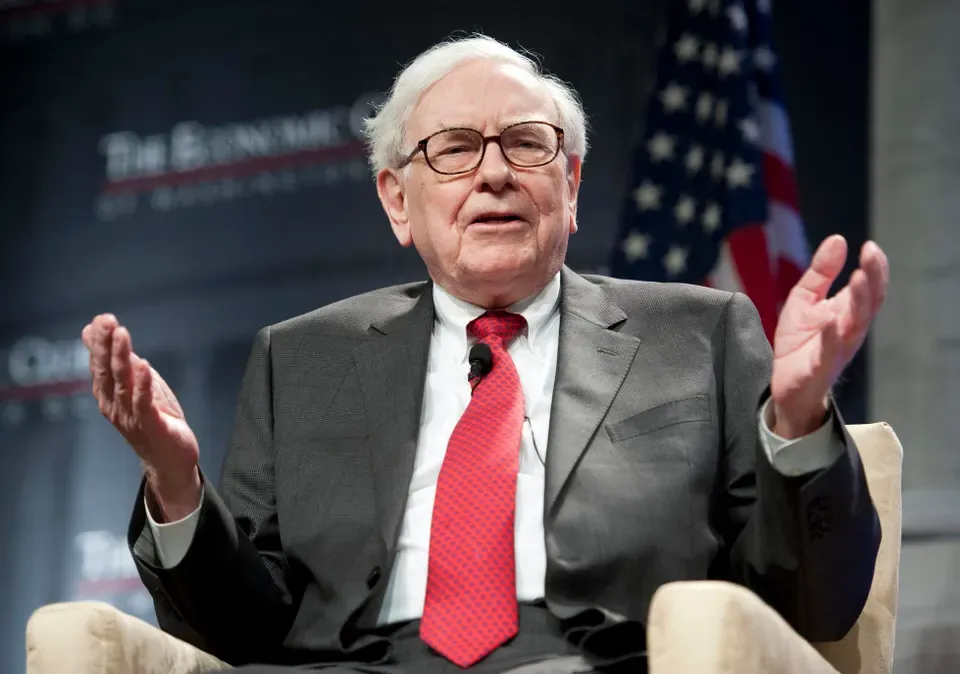
Buffett’s philosophy eventually extended beyond investing.
In 2006, he committed to gradually giving away almost all his Berkshire shares to philanthropic organisations.
His personal philanthropic pledge states that more than 99% of his wealth will ultimately go to philanthropy during his lifetime or at death.
In 2010, Buffett joined Bill Gates and Melinda French Gates in launching the Giving Pledge, encouraging the world’s wealthiest individuals and families to commit the majority of their fortunes to charitable causes.
The initiative has since expanded internationally, while recent reporting estimates that Buffett had donated more than $64 billion by 2026 through his long-running philanthropic programme.
Berkshire After Buffett
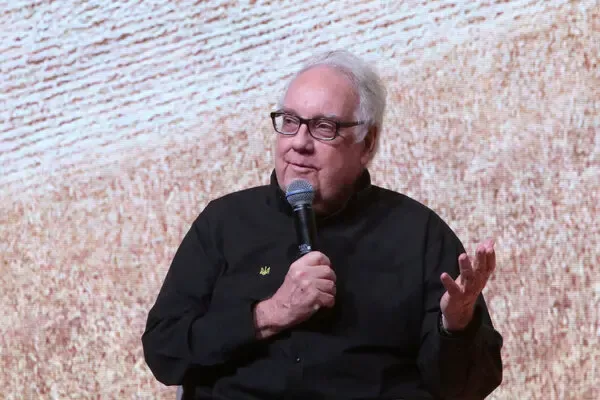
The chairmanship transition does not mean Buffett has disappeared from Berkshire.
He remains a director and now carries the title Chairman Emeritus.
But Berkshire’s operating leadership has clearly moved into its next generation.
Greg Abel is chief executive.
Howard Buffett is chairman.
Other executives oversee insurance, operating businesses and portions of the public-equity portfolio.
The formal succession announcement confirms the latest leadership structure.
The central question facing Berkshire is therefore no longer whether anyone can become “the next Warren Buffett.”
No one needs to.
The more relevant question is whether Berkshire’s culture of decentralisation, financial strength, rational capital allocation and shareholder orientation can survive without depending on Buffett personally.
Buffett’s Legacy in Numbers
| Measure | Buffett-era result |
| Berkshire leadership beginning | 1965 |
| Compound annual Berkshire gain, 1965–2025 | 19.7% |
| S&P 500 compound annual gain | 10.5% |
| Berkshire cumulative gain, 1964–2025 | 6,099,294% |
| S&P 500 cumulative gain | 46,061% |
| Insurance float at end-2025 | $176bn |
| BNSF remaining stake acquisition, 2010 | ~$26.5bn |
| Buffett charitable giving by 2026 | More than $64bn |
| Berkshire milestone | First non-tech U.S. company to surpass $1tn market value in 2024 |
The long-term performance table captures the scale of Berkshire’s compounding record, while the 2025 annual report details the company’s insurance operations, investments and wider financial position.
Warren Buffett’s 12 Enduring Investing Principles
1. Protect capital from permanent loss
Temporary volatility is different from destroying capital permanently.
2. Price and value are not the same
A stock’s quotation does not tell you what the business is worth.
3. Demand a margin of safety
Leave room for analytical mistakes and unexpected events.
4. Stay within your circle of competence
Know what you understand — and what you do not.
5. Buy businesses, not ticker symbols
Think like an owner.
6. Prefer durable competitive advantages
Great businesses can protect profitability against competition.
7. Pay attention to management
Capital allocation, honesty and competence matter.
8. Think in decades
Compounding requires time.
9. Avoid excessive leverage
You cannot compound capital if one mistake removes you from the game.
10. Keep liquidity available
Cash becomes most valuable when other investors desperately need it.
11. Ignore unnecessary market noise
A changing price does not automatically mean changing value.
12. Be willing to do nothing
Patience is an active investment decision when prices are unattractive.
Buffett in His Own Words
Several short ideas capture different parts of the philosophy.
“Rule No. 1: Never lose money. Rule No. 2: Never forget rule No. 1.”
The wording is widely attributed to Buffett through collections of his most famous investing remarks.
“Price is what you pay; value is what you get.”
The principle is reflected throughout Buffett’s discussion of valuation and investment discipline.
“It’s far better to buy a wonderful company at a fair price than a fair company at a wonderful price.”
That shift, documented in the 1989 shareholder letter, captures Buffett’s evolution from strict bargain hunting toward quality investing.
And perhaps the most demanding lesson of all is the one about time:
“If you aren’t willing to own a stock for ten years, don’t even think about owning it for ten minutes.”
That philosophy appears in his 1996 discussion of long-term ownership.
Buffett Retired From the Chair. His Framework Did Not.
It is tempting to measure Warren Buffett’s career through Berkshire’s market value, Coca-Cola gains, Apple profits, insurance float or the millions of percentage points accumulated by shareholders.
Those numbers matter.
But his more lasting contribution may be intellectual.
Buffett helped turn investing away from the idea that success requires constant prediction and toward something more fundamental:
Understand businesses.
Estimate value.
Do not overpay.
Protect against permanent loss.
Control your temperament.
Avoid financial structures that can destroy you.
Hold exceptional businesses long enough for their economics to matter.
And most importantly, recognise that patience is not inactivity when time is doing the work.
Warren Buffett is no longer Berkshire Hathaway’s chairman.
But the principles that turned a failing textile manufacturer into one of the world’s most important companies are likely to remain part of investment thinking long after the leadership transition itself becomes history.
Sources
Berkshire Hathaway / Columbia Business School / The Giving Pledge / Reuters / AARP