



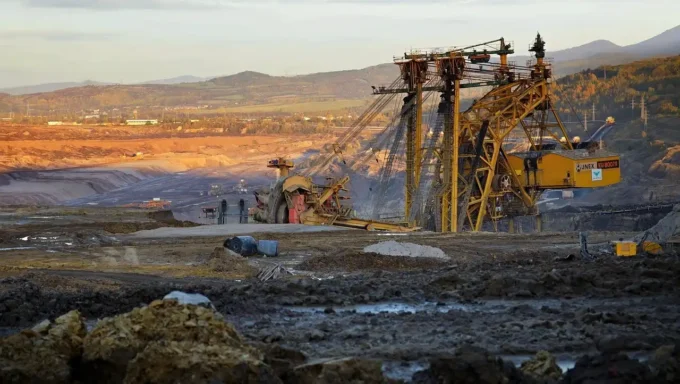
In a bold move to address Nigeria’s fiscal challenges, President Bola Tinubu recently made the decision to remove fuel subsidies, which has resulted in a significant decline in fuel consumption throughout the country. According to data released by the Nigerian Midstream and Downstream Petroleum Regulatory Authority (NMDPRA) to Reuters news agency, average daily petrol consumption plummeted to 48.43 million liters in June, down from the previous average of 66.9 million liters.
The removal of these subsidies has led to a nearly tripled fuel price, impacting transportation costs and triggering higher prices for food and electricity, particularly for Nigerians relying on petrol generators. This shift in the fuel market is expected to have far-reaching effects on businesses across various sectors.
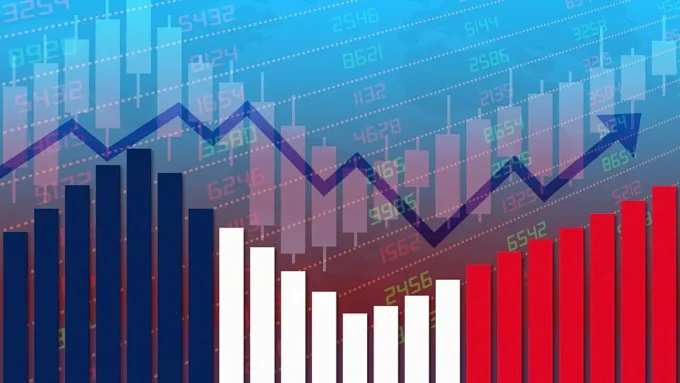
Stanbic IBTC’s latest Purchasing Power Index reveals a marginal decline in business confidence in June 2023, coinciding with the surge in inflationary pressures resulting from the subsidy removal. Respondents in the survey cited concerns about the subsidy’s termination, which acted as a constraint on output growth. Despite this, business activity remains noticeably positive during the latest survey period.
For decades, Nigeria’s low-cost gasoline has been illicitly transported by road to neighboring countries, primarily Benin, where it is resold on the black market by numerous informal sellers. However, the scale of this trafficking has dwindled since the subsidy removal. In Cotonou, the price of taxi fares has nearly doubled due to the lack of smuggled petrol, and in Cameroon, several motorcycle taxi unions have initiated strikes in protest.
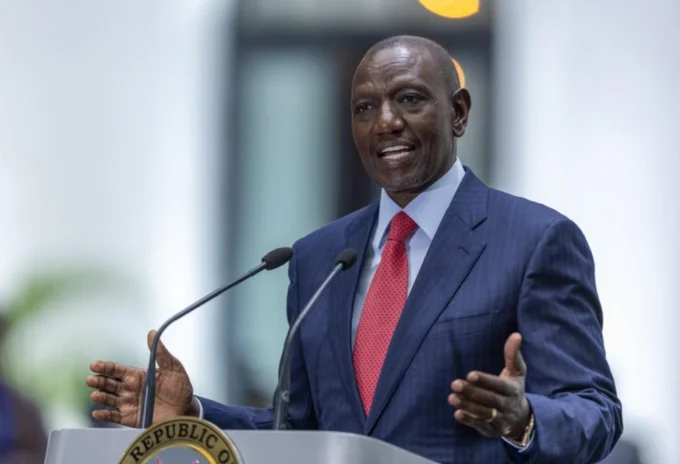
President Bola Tinubu, who assumed office in February amid a disputed election, wasted no time in addressing the fuel subsidy issue upon taking office on May 29. The subsidies had been draining billions of dollars from the state’s coffers and forcing substantial borrowing to maintain artificially low petrol prices. In a speech delivered on June 12, President Tinubu acknowledged the sacrifices demanded of Nigerians and reassured them that their efforts would not be in vain.
This decline in fuel consumption is a clear indication of the impact that President Tinubu’s decision to remove the costly subsidies has had on Nigeria’s economy. While it has generated mixed reactions, with concerns over rising prices and inflationary pressures, the government anticipates long-term benefits in terms of fiscal stability and reduced deficits. As businesses brace themselves for the effects of these changes, the true consequences of this policy shift will unfold in the coming months.
In summary, Nigeria’s average daily petrol consumption dropped by 28% following President Bola Tinubu’s abolition of the fuel subsidy in May. The removal of subsidies has triggered a surge in fuel prices, leading to increased transport costs and higher prices for essential commodities. Business confidence experienced a marginal decline, and neighboring countries reliant on smuggled Nigerian petrol have seen disruptions in their local economies. President Tinubu’s decision aims to alleviate the burden on Nigeria’s finances, but its immediate impact on businesses and consumers remains to be seen.
By: Montel Kamau
Serrari Financial Analyst
19th July, 2023
photo source:Google















Leave a comment