The United States appears to be moving into a new phase of cryptocurrency policy development, shifting away from a regulatory approach largely driven by lawsuits and enforcement actions toward a framework focused on formal legislation and market structure. The change reflects a growing realization among policymakers that digital assets are no longer operating at the margins of finance but are becoming integrated into payment systems, financial infrastructure and broader economic strategy.
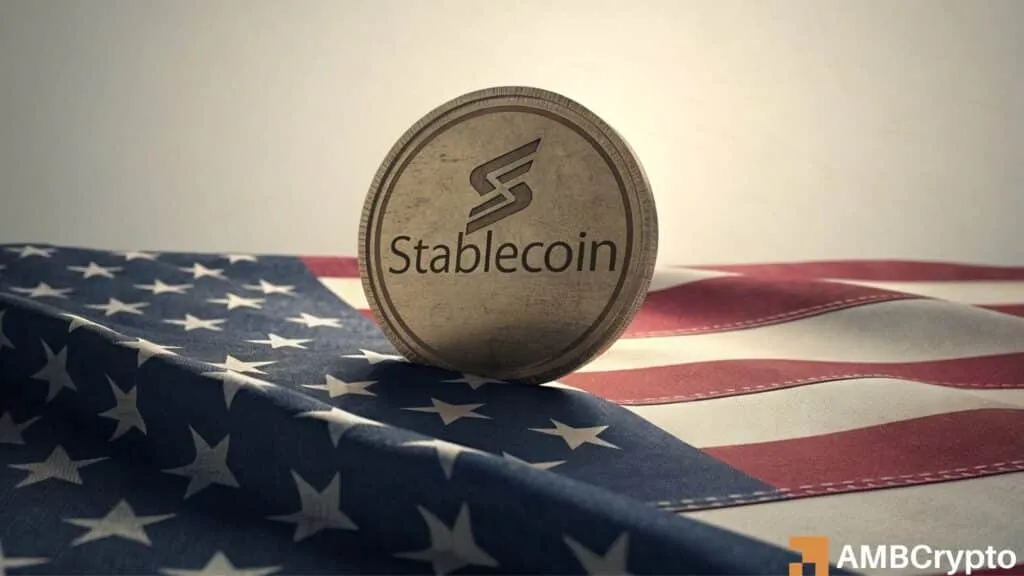
Stablecoins have emerged as a central factor behind this transition. Unlike speculative cryptocurrencies, dollar-backed stablecoins increasingly intersect with U.S. Treasury markets, payment systems and the global role of the U.S. dollar. Policymakers now see these assets not only as financial products but also as tools that could influence future economic competitiveness and monetary influence.
The policy shift also reflects concerns that regulatory uncertainty could push innovation, talent and investment capital into jurisdictions offering clearer rules. Rather than debating whether cryptocurrency should exist, lawmakers increasingly appear focused on how digital assets should be governed and integrated into the financial system.
Key Overview
The United States is gradually moving from a crypto regulatory model focused on enforcement actions toward formal legislation, with stablecoins becoming a key driver behind the transition.
US Moves From Crypto Crackdowns Toward Structured Regulation
The United States is increasingly signaling a major transformation in its approach toward cryptocurrency regulation, moving away from a period dominated by legal battles and enforcement actions toward a more structured regulatory framework designed to provide clearer rules for the digital asset industry.
For several years, the regulatory environment surrounding cryptocurrencies in the U.S. has largely been shaped by actions from the Securities and Exchange Commission (SEC). Rather than operating under a unified legislative framework, oversight often emerged through investigations, lawsuits and individual enforcement cases targeting cryptocurrency exchanges, token issuers and digital asset platforms.
This approach created a challenging environment for participants across the industry.
Without clearly defined standards, companies frequently faced uncertainty regarding whether digital assets would be classified as securities, commodities or entirely different financial instruments. Businesses often struggled to determine which rules applied and which agencies held regulatory authority.
The resulting uncertainty became one of the largest concerns facing the cryptocurrency ecosystem.
Now, signs increasingly suggest that policymakers are shifting priorities.
Instead of relying primarily on enforcement mechanisms, regulators and lawmakers appear increasingly focused on creating a comprehensive structure capable of supporting both oversight and industry growth.
Stablecoins Become Central to Washington’s Thinking
Among the strongest factors driving this transition is the growing significance of stablecoins.
Stablecoins differ from traditional cryptocurrencies because they are designed to maintain stable values by being linked to reserve assets such as the U.S. dollar.
Historically, many policymakers viewed cryptocurrencies primarily as speculative investments subject to price volatility and market risks.
However, stablecoins increasingly occupy a different position within the financial system.
Dollar-backed stablecoins are becoming closely connected to multiple areas of economic importance, including Treasury markets, payment systems and the international role of the U.S. dollar.
As adoption increases, regulators increasingly view these assets as part of digital financial infrastructure rather than merely speculative trading instruments.
This distinction carries substantial implications.
Financial infrastructure generally receives significantly greater policy attention because of its potential impact on economic stability and financial markets.
Stablecoins increasingly function as transactional tools used for payments, settlements and transfers rather than simply investment vehicles.
Consequently, policymakers appear increasingly interested in ensuring that such systems operate under clear regulatory oversight.
Reserve Stability Concerns Continue Emerging
Although stablecoins present potential opportunities, regulators also continue identifying risks that could arise without formal standards.
One major concern involves reserve management.
Stablecoin issuers generally maintain reserves intended to support the value of circulating tokens. Questions frequently arise regarding reserve quality, transparency and liquidity.
Policymakers worry that poorly managed reserve structures could create broader financial risks.
If users lose confidence in reserve backing and attempt large-scale redemptions simultaneously, financial stress could emerge within affected institutions or markets.
Financial stability concerns therefore remain central to ongoing discussions.
Regulators appear increasingly interested in ensuring that reserve standards, transparency requirements and operational safeguards become formalized through legislation.
The goal is not simply limiting risks but also strengthening confidence in digital financial systems.
Context is everything. While you follow today’s updates, use the Serrari Group Market Index and Marketplace to spot emerging shifts. Need to sharpen your edge? Our Wealth Builder Platform turns these insights into a professional-grade strategy.
Protecting Dollar Dominance in the Digital Economy
Beyond financial stability considerations, stablecoins increasingly intersect with broader geopolitical and economic priorities.
The U.S. dollar currently maintains dominant status within international trade, global reserves and cross-border finance.
Policymakers increasingly recognize that digital finance may reshape how value moves globally.
If digital payment systems become increasingly important, dollar-backed stablecoins could potentially extend the dollar’s influence into emerging financial ecosystems.
Officials therefore increasingly appear to view stablecoins as strategic assets capable of reinforcing dollar leadership within future digital economies.
Rather than allowing alternative currencies or foreign payment systems to dominate digital finance, stablecoin development may provide an opportunity for the U.S. to preserve its monetary influence.
This perspective partly explains why stablecoins increasingly receive attention separate from broader cryptocurrency discussions.
Congress Accelerates Work on Digital Asset Rules
The latest analysis also points toward growing activity within Congress surrounding digital asset legislation.
Lawmakers are increasingly attempting to establish rules clarifying how different categories of digital assets should be regulated.
Current discussions involve determining whether specific digital assets should fall under securities regulation, commodity oversight or alternative regulatory structures.
The absence of such distinctions previously created substantial confusion.
Multiple agencies sometimes claimed overlapping jurisdiction while market participants struggled to understand compliance obligations.
Formal legislation seeks to reduce these uncertainties.
The objective increasingly appears focused on assigning clearer responsibilities among regulators and creating more predictable operating environments.
The shift suggests that Washington may no longer be debating whether digital assets should exist but rather how they should be integrated into financial systems.
Competition With International Markets Adds Pressure
Another important factor behind the policy shift involves global competition.
The cryptocurrency industry operates internationally, with companies, investors and talent frequently moving toward jurisdictions offering favorable environments.
Countries that provide clearer rules often attract new businesses and capital flows.
The U.S. increasingly faces concerns that prolonged regulatory uncertainty could encourage companies to establish operations elsewhere.
Investment capital, innovation and skilled labor may migrate toward markets providing stronger certainty regarding digital asset rules.
For policymakers, this creates a strategic challenge.
Maintaining leadership within financial technology increasingly requires balancing oversight with competitiveness.
Excessively restrictive environments may discourage innovation, while insufficient regulation could increase risks.
The emerging approach appears increasingly designed to find middle ground between these objectives.
Regulatory Thinking Appears Increasingly Mature
The broader evolution suggests cryptocurrency discussions inside Washington are becoming more sophisticated.
Early regulatory discussions often focused heavily on volatility, fraud concerns and speculative trading activity.
While those concerns remain relevant, attention increasingly extends toward broader questions involving infrastructure, payments and economic competitiveness.
The distinction matters because it changes the nature of policy debates.
Instead of viewing cryptocurrency solely through the lens of risk management, policymakers increasingly appear to evaluate how digital assets might contribute to economic development and financial modernization.
This does not necessarily imply reduced oversight.
Rather, it suggests oversight mechanisms may increasingly become standardized and integrated into formal legislation rather than relying primarily on case-by-case enforcement.
Looking Ahead
The emerging transition could represent one of the most significant developments in the evolution of the U.S. cryptocurrency landscape.
For years, uncertainty surrounding digital asset regulation created challenges for businesses, investors and developers attempting to operate within the sector.
The growing focus on structured regulation indicates that policymakers increasingly recognize cryptocurrency as an established component of financial markets rather than a temporary phenomenon.
Stablecoins have emerged as a central force within this transition because they connect digital assets directly to payments, Treasury markets and the global role of the dollar.
As Congress continues advancing digital asset legislation, future regulatory developments may reshape not only the American crypto market but also the broader global financial system.
The debate increasingly appears to be shifting from whether digital assets belong in the economy to determining how they will function within it.
Sources: Bidget, LookonChain
Your financial future isn’t something you wait for—it’s something you build.
The real question is: when do you begin?
Move beyond simply staying informed.
Navigate the markets with clarity—track trends through the Serrari Group Market Index, uncover opportunities in the Serrari Marketplace, and build practical knowledge with our Curated Wealth Builder Platform.
Stay connected to what truly matters.
Get daily insights on macro trends and financial movements across Kenya, Africa, and global markets—delivered through the Serrari Newsletter.
Growth opens doors.
Advance your career through professional programs including ACCA, HESI A2, ATI TEAS 7 , HESI EXIT , NCLEX – RN and NCLEX – PN, Financial Literacy!🌟—designed to move you forward with confidence.
See where money is flowing—clearly and in real time.
Track Money Market Funds, Treasury Bills, Treasury Bonds, Green Bonds, and Fixed Deposits, alongside global and African indexes, key economic indicators, and the evolving Crypto and stablecoin landscape—all within Serrari’s Market Index.