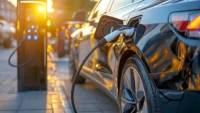
Nepal is experiencing a rapid surge in electric vehicle (EV) adoption as global fuel price shocks—driven by Middle East disruptions—push consumers away from petrol and diesel. With fuel prices nearly doubling, EVs are emerging as a cost-effective and reliable alternative, supported by expanding charging infrastructure and a hydropower-driven grid.
The country now has around 50,000 EVs, with imports of electric vehicles surpassing petrol cars in recent years. Public transport, including microbuses and taxis, is increasingly electrified, while government policies—such as EV retrofitting frameworks—are accelerating the transition.
However, surging demand is also creating supply challenges, with dealerships struggling to meet orders. Nepal’s experience highlights how energy price volatility can accelerate clean mobility adoption, positioning the country as one of the fastest-growing EV markets globally.
Key Overview
- Nepal EV demand rising due to global fuel crisis
- Petrol prices nearly doubled amid Middle East disruptions
- ~50,000 EVs currently on Nepal’s roads
- EV imports now exceed petrol vehicles
- Charging network expanding across highways
- Government supports EV retrofitting and fleet transition
- Dealers facing supply shortages due to high demand
Fuel Crisis Accelerates EV Adoption in Nepal
As global fuel markets face disruption due to escalating geopolitical tensions in the Middle East, motorists in Nepal are rapidly accelerating their shift toward electric vehicles. Supply shocks—particularly those linked to disruptions in key oil transit routes such as the Strait of Hormuz—have driven sharp increases in global oil prices, with direct consequences for fuel-importing economies like Nepal.
For a country that relies almost entirely on imported petroleum products, the impact has been immediate and pronounced. Petrol prices have nearly doubled since the onset of the conflict, placing significant pressure on households, transport operators, and businesses. In contrast to neighboring countries such as Bangladesh and Pakistan—where fuel shortages have led to long queues and supply instability—Nepal has managed to partially cushion the impact through its growing adoption of electric mobility.
This shift is particularly visible in the public transport sector, where electric microbuses and vans are becoming increasingly dominant on key intercity routes. Operators report rising passenger demand, driven by both affordability and reliability. Unlike diesel-powered vehicles, whose operating costs fluctuate with fuel prices, EVs offer predictable and significantly lower energy costs, enabling operators to maintain stable fares even during periods of global energy volatility.
For example, an electric microbus can complete long-distance routes with a relatively low charging cost, compared to the much higher expense of diesel refueling. This cost stability is not only benefiting operators but also making EV-based transport more attractive to passengers, reinforcing a broader behavioral shift toward electric mobility.
Markets move fast; don’t get left behind. We’ve paired the Serrari Group Market Index with a curated Marketplace and a comprehensive Wealth Builder Course to ensure you have the data—and the skills—to act on it.
Cost Advantages and Consumer Shift
The economic case for EV adoption in Nepal has become increasingly compelling, driven by the widening cost gap between electricity and fossil fuels. As fuel prices continue to rise, electric vehicles are emerging as a financially superior alternative, particularly for high-usage segments such as public transport and commercial fleets.
The cost differential is striking:
- A full EV recharge costs approximately $8
- A comparable diesel fill-up can exceed $66
This substantial disparity translates into significant daily and monthly savings, especially for drivers who operate vehicles over long distances. For commercial operators, these savings directly improve profit margins, while for individual consumers, they reduce the overall cost of mobility.
As a result, consumer behavior is shifting rapidly. Many vehicle owners are now:
- Trading in petrol and diesel vehicles for electric alternatives
- Prioritizing EVs for new purchases
- Exploring retrofitting options to convert existing vehicles
Passengers are also playing a role in driving demand. Increasingly, commuters are choosing EVs due to their:
- Lower fares, driven by reduced operating costs
- Improved comfort, including quieter rides and smoother acceleration
- Environmental benefits, particularly reduced air pollution in urban areas
This convergence of economic and environmental incentives is accelerating adoption, transforming EVs from a niche or aspirational technology into a mainstream, practical solution for everyday transport.
As fuel price volatility persists—and with uncertainty around future global supply conditions—EVs are increasingly viewed not just as an alternative, but as a necessary transition for cost stability and energy resilience.
Infrastructure and Policy Support Drive Growth
Nepal’s rapid EV adoption is underpinned by a combination of infrastructure expansion, favorable energy conditions, and supportive government policies, creating an enabling environment for sustained growth.
One of the most critical developments has been the expansion of charging infrastructure, particularly along major highways and intercity corridors. This network is making long-distance electric travel increasingly viable, addressing one of the primary barriers to EV adoption—range anxiety. As charging stations become more accessible, EVs are no longer limited to urban use but are now being deployed across regional and national transport routes.
In addition, Nepal benefits from a hydropower-dominated electricity system, which provides a relatively clean, stable, and domestically generated energy source. This offers several advantages:
- Lower energy costs compared to imported fossil fuels
- Reduced exposure to global energy price volatility
- Lower carbon intensity, enhancing environmental benefits
This unique energy profile strengthens the case for electrification, as EV adoption directly aligns with the country’s broader renewable energy strategy.
Government policy is also playing a central role in accelerating the transition. Key initiatives include:
- Approval of a vehicle retrofitting framework, allowing existing petrol and diesel vehicles to be converted into electric ones
- Plans to replace some 10,000 vehicles of damaged vehicles with EVs as part of public fleet renewal efforts
- Continued support for EV imports, incentives, and infrastructure development
These measures reflect a deliberate strategic shift toward reducing reliance on imported fossil fuels while promoting energy security, economic efficiency, and environmental sustainability.
Taken together, the combination of infrastructure, energy resources, and policy support is positioning Nepal as a leading example of rapid EV adoption in emerging markets, demonstrating how coordinated efforts can accelerate the transition to clean mobility.
Context is everything. While you follow today’s updates, use the Serrari Group Market Index and Marketplace to spot emerging shifts. Need to sharpen your edge? Our Wealth Builder Course turns these insights into a professional-grade strategy.
Supply Constraints and Market Pressure
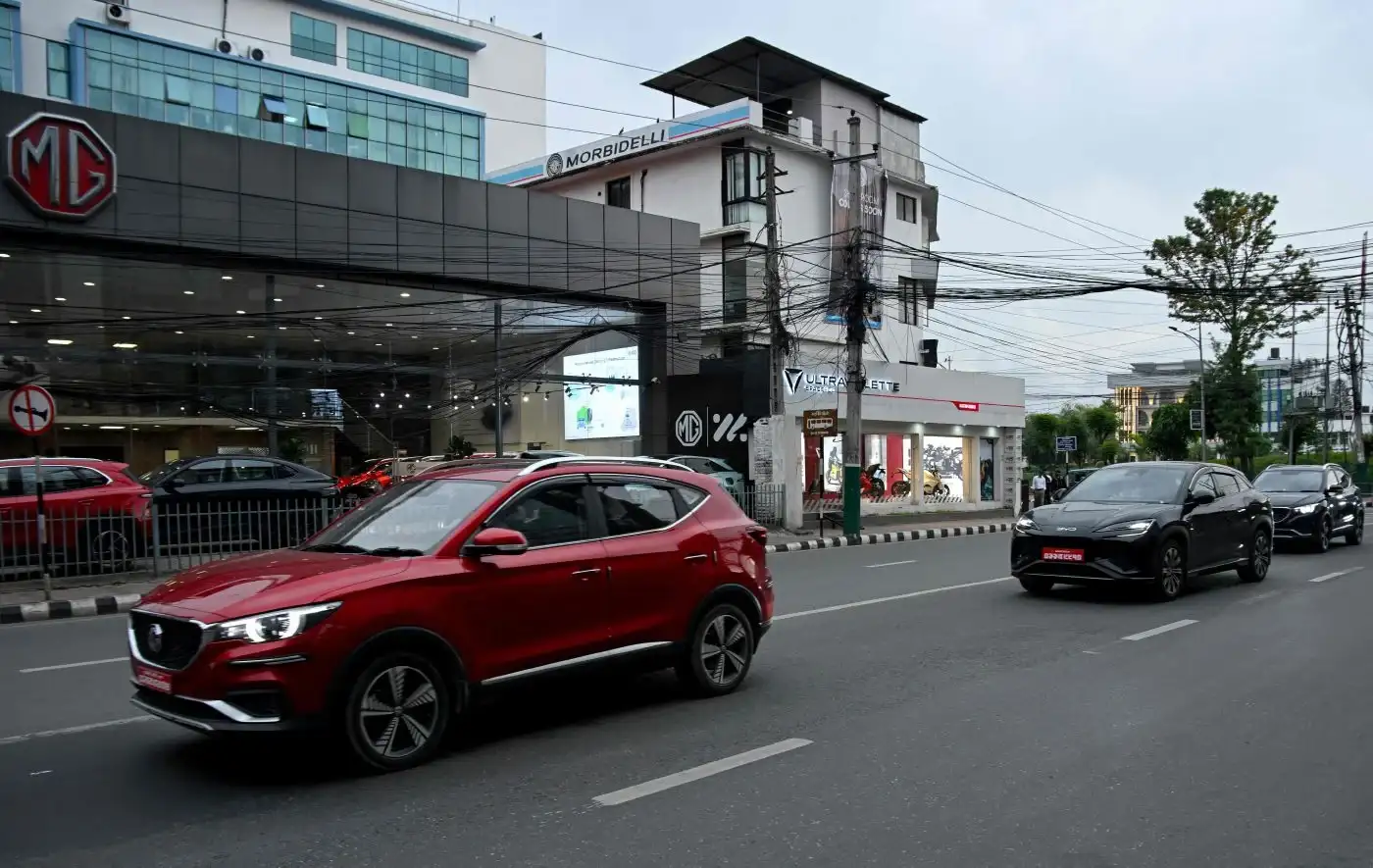
While demand for electric vehicles continues to surge across Nepal, supply is struggling to keep pace, exposing structural bottlenecks within the country’s automotive and logistics ecosystem. Dealers report mounting pressure as inquiries and orders increase sharply, with many consumers actively seeking to replace fuel-powered vehicles with electric alternatives amid rising petrol costs.
This rapid demand growth has created several immediate market challenges:
- Inventory shortages at dealerships, limiting availability of popular EV models
- Increased strain on import and distribution channels, particularly for vehicles sourced from international manufacturers
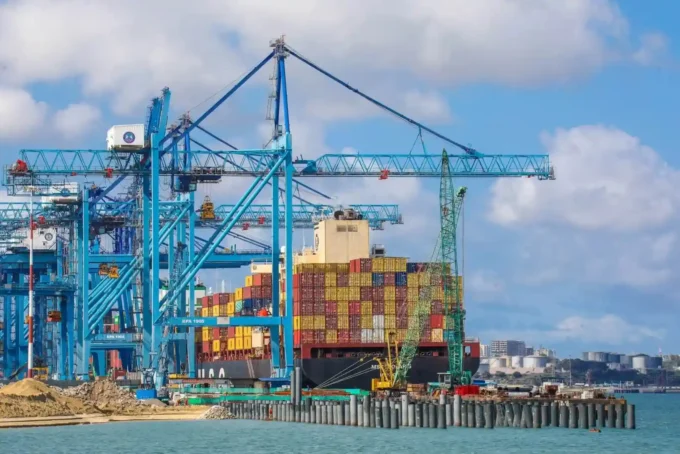
- Growing backlogs at ports and customs, delaying delivery timelines and extending waiting periods for buyers
These constraints highlight a critical issue in the transition to electric mobility: while demand can accelerate rapidly—especially during external shocks such as fuel price spikes—supply chains often lag behind, creating friction in market expansion.
The situation also underscores the need for stronger logistics coordination, import efficiency, and potential local assembly capacity to support sustained growth. Without improvements in these areas, supply limitations could slow the pace of adoption despite strong consumer interest.
At the same time, the transition is expanding beyond individual consumers into institutional adoption. Organizations such as schools, colleges, and fleet operators are increasingly exploring electric transport solutions, recognizing the long-term cost savings and operational advantages. This signals a broader shift toward electrification across multiple sectors, including education, logistics, and public services.
As institutional demand grows, it is likely to further intensify pressure on supply chains while also accelerating the need for scalable procurement and infrastructure solutions.
Outlook: A Rapid Transition to Electric Mobility
Electric vehicle adoption in Nepal is expected to continue accelerating, driven by a combination of fuel price volatility, supportive government policies, and ongoing improvements in infrastructure. With more than 13,500 EVs imported in a single year—more than double the number of petrol vehicles—the country is rapidly emerging as one of the fastest-growing EV markets globally.
In the near term, key priorities will include:
- Expanding charging infrastructure nationwide, particularly in underserved and rural areas
- Addressing supply chain constraints, ensuring that vehicle availability keeps pace with demand
- Encouraging domestic assembly and manufacturing, reducing reliance on imports and strengthening local industry
These efforts will be critical in sustaining momentum and ensuring that the transition remains both efficient and inclusive.
Over the longer term, Nepal’s experience provides a compelling case study of how external shocks—such as global fuel crises—can accelerate structural shifts in energy systems. By leveraging its abundant hydropower resources and aligning policy with market demand, the country is building a foundation for a more resilient, low-carbon transport sector.
The transition also reflects a broader global pattern: as fossil fuel markets become increasingly volatile and unpredictable, the economic, environmental, and strategic advantages of electric mobility become more pronounced. Countries that are able to align infrastructure, policy, and energy resources effectively are likely to experience faster and more sustained adoption.
Ultimately, Nepal’s shift toward electric mobility illustrates how necessity can drive innovation. What began as a response to rising fuel costs is evolving into a systemic transformation of the transport sector, offering a model for other emerging economies seeking to reduce energy dependence, lower emissions, and build more sustainable mobility systems.
Your financial future isn’t something you wait for—it’s something you build.
The real question is: when do you begin?
Move beyond simply staying informed.
Navigate the markets with clarity—track trends through the Serrari Group Market Index, uncover opportunities in the Serrari Marketplace, and build practical knowledge with our Curated Wealth Builder Course.
Stay connected to what truly matters.
Get daily insights on macro trends and financial movements across Kenya, Africa, and global markets—delivered through the Serrari Newsletter.
Growth opens doors.
Advance your career through professional programs including ACCA, HESI A2, ATI TEAS 7 , HESI EXIT , NCLEX – RN and NCLEX – PN, Financial Literacy!🌟—designed to move you forward with confidence.
See where money is flowing—clearly and in real time.
Track Money Market Funds, Treasury Bills, Treasury Bonds, Green Bonds, and Fixed Deposits, alongside global and African indexes, key economic indicators, and the evolving Crypto and stablecoin landscape—all within Serrari’s Market Index.