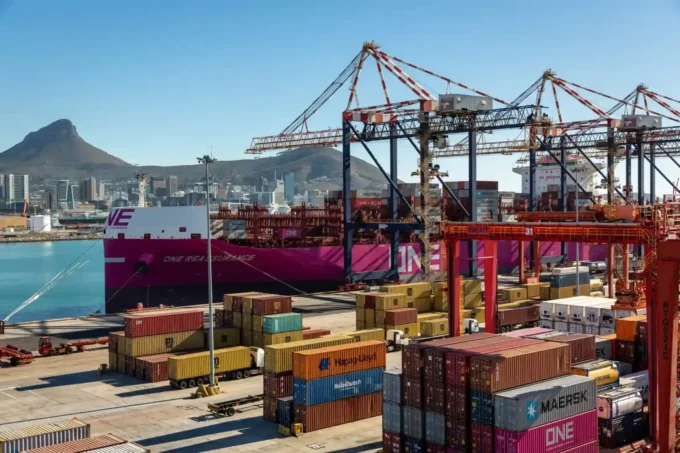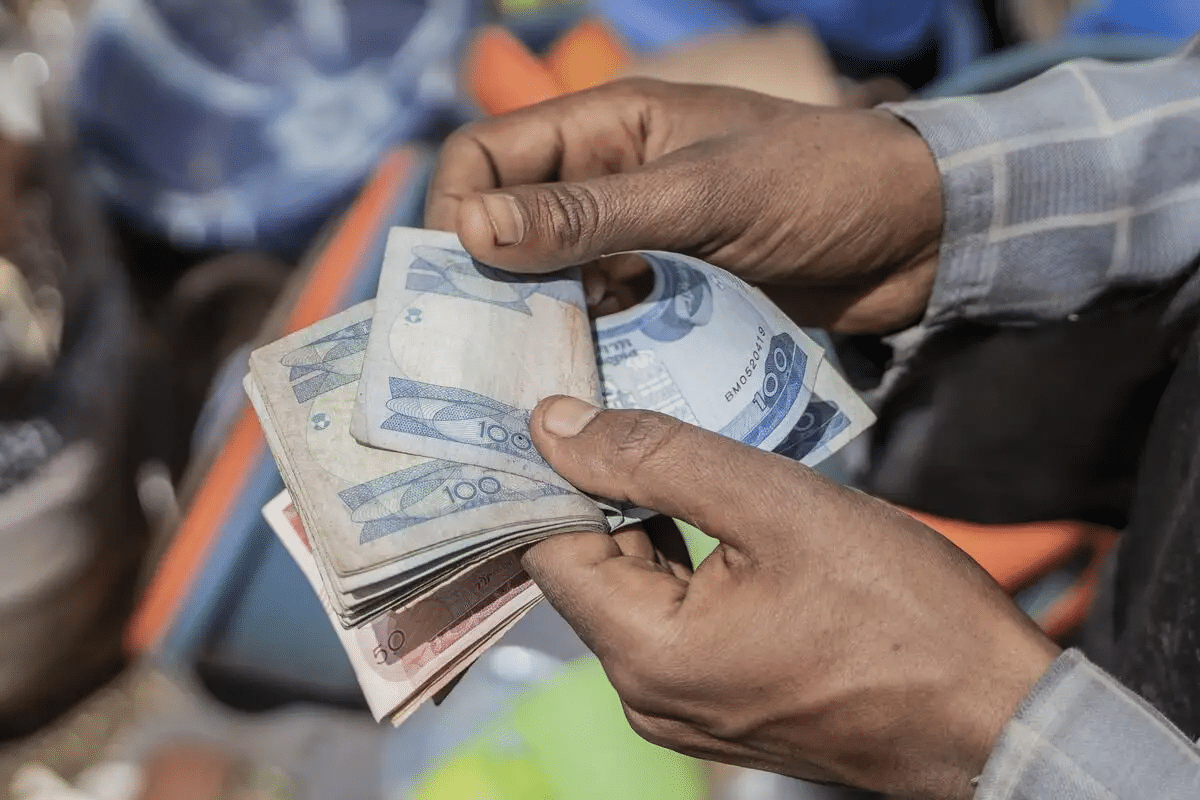
The National Bank of Ethiopia (NBE) has announced a significant policy shift that will grant exporters greater flexibility in managing their foreign currency earnings. Starting November 14, 2024, exporters will be permitted to retain 50% of their foreign currency earnings indefinitely while selling the other 50% immediately. This marks a departure from the previous requirement, which mandated exporters to sell the remaining 50% within one month of earning it.
Governor Mamo Mehretu emphasized that the policy adjustment aims to empower exporters and foster a more robust and sustainable economic environment. “Exporters will no longer be compelled to sell their remaining foreign currency within a month,” Mehretu stated. “This move provides more control over foreign currency earnings, aligning with the National Bank’s broader goal of ensuring economic stability.”
Background and Rationale for the Policy Change
Ethiopia has long grappled with foreign currency shortages, a challenge that has hindered economic growth and strained businesses reliant on imports. The previous currency retention policy, implemented as a temporary measure, sought to ensure a steady flow of foreign exchange into the economy. However, this measure placed exporters under significant pressure, as they were forced to relinquish a substantial portion of their earnings within strict timeframes.
By offering greater flexibility with the new policy, the NBE seeks to achieve the following objectives:
- Encourage Export Growth: Exporters, especially in sectors like coffee, flowers, and textiles, will now have more liquidity to reinvest in their operations.
- Boost Investor Confidence: Retaining foreign currency earnings indefinitely reduces financial risks for exporters, making Ethiopia a more attractive destination for foreign direct investment (FDI).
- Enhance Market Stability: The policy is expected to stabilize foreign exchange flows, reducing speculative currency trading and fostering a healthier financial ecosystem.
Implications for Ethiopia’s Export Sector
Immediate Impact on Exporters
Exporters in Ethiopia, especially those dealing with high-demand commodities such as coffee, flowers, and minerals, stand to benefit significantly from the policy change. Previously, the rigid one-month timeline forced many businesses to convert earnings prematurely, often at unfavorable exchange rates. Now, the indefinite retention of half their earnings allows exporters to time their conversions strategically, potentially maximizing their returns.
Support for Coffee Producers
Ethiopia is the world’s largest producer of Arabica coffee and relies heavily on coffee exports for foreign exchange. In 2023, coffee exports accounted for over 30% of Ethiopia’s total export revenue, contributing nearly $1.4 billion. With the new policy, coffee exporters can reinvest their earnings to enhance production quality and expand their global market reach.
Strengthening the Flower Industry
The Ethiopian flower industry, which generated approximately $550 million in export earnings in 2023, will also benefit from increased liquidity. Flower growers, many of whom operate on tight profit margins, can now better manage operational costs and invest in technology upgrades.
Economic Context and Challenges
Ethiopia’s economy has been under strain in recent years due to various challenges, including:
- Conflict and Political Instability: Prolonged conflict in northern Ethiopia disrupted trade routes and strained the economy.
- Foreign Currency Shortages: Importers and manufacturers often struggle to access foreign currency, delaying production and exacerbating inflation.
- Rising Inflation: Inflation rates soared to over 30% in 2024, eroding purchasing power and increasing the cost of living for Ethiopians.
The new foreign currency policy seeks to mitigate these challenges by stimulating export growth and ensuring a more sustainable flow of foreign exchange into the economy.
Potential Risks and Criticisms
While the new policy is widely seen as a positive step, it does come with potential risks:
- Reduced Short-Term Currency Flow: Allowing exporters to retain foreign currency indefinitely could reduce immediate inflows into the formal banking system, potentially exacerbating currency shortages in the short term.
- Speculation and Hoarding: Critics argue that the indefinite retention policy might encourage speculative behavior, with exporters holding onto their earnings in anticipation of more favorable exchange rates.
- Pressure on Import-Dependent Sectors: Ethiopia’s heavy reliance on imports for essential goods means that foreign currency shortages could still affect critical sectors like healthcare and agriculture.
To address these concerns, the NBE may need to implement complementary measures, such as enhanced monitoring of foreign currency transactions and incentives for reinvesting retained earnings domestically.
International Comparisons
Ethiopia’s move aligns with global trends where emerging markets have adopted flexible foreign currency retention policies to stimulate exports. Countries such as Vietnam and Kenya have implemented similar measures, achieving notable success in boosting export growth and economic diversification.
Vietnam’s Model
Vietnam allows exporters to retain a portion of their foreign exchange earnings to reinvest in export-related activities. This policy has contributed to Vietnam becoming a leading exporter of electronics and textiles.
Kenya’s Approach
Kenya’s Central Bank permits exporters to hold foreign currency accounts, enabling them to manage their earnings more effectively. This has particularly benefited sectors like horticulture and tea exports, which are key contributors to Kenya’s economy.
Government Initiatives to Support Exporters
In addition to the new foreign currency retention policy, the Ethiopian government has rolled out other initiatives to bolster the export sector:
- Infrastructure Development: Investments in transport and logistics, such as the expansion of the Modjo Dry Port, aim to reduce export costs and improve efficiency.
- Export Credit Facilities: The government has partnered with local banks to provide credit lines tailored to exporters’ needs.
- Capacity Building Programs: Training programs for small and medium-sized enterprises (SMEs) in export-oriented industries are helping businesses improve quality standards and meet international market requirements.
What This Means for the Broader Economy
Strengthening the Birr
The Ethiopian birr has faced significant depreciation against major currencies in recent years. By empowering exporters to retain foreign currency earnings, the policy could ease pressure on the birr and stabilize exchange rates in the medium to long term.
Attracting Foreign Investment
The new policy sends a positive signal to foreign investors by demonstrating Ethiopia’s commitment to creating a more business-friendly environment. This is especially critical as Ethiopia seeks to attract FDI to sectors such as manufacturing and renewable energy.
Outlook and Future Developments
The success of the new foreign currency retention policy will depend on its implementation and the broader economic reforms undertaken by the Ethiopian government. Key areas to watch include:
- Export Growth Metrics: Increases in export revenues across key sectors like coffee, flowers, and textiles.
- Currency Stability: Trends in the birr’s exchange rate against major currencies.
- Private Sector Response: Feedback from exporters and businesses regarding the policy’s impact on their operations.
In the long run, the policy could pave the way for a more diversified and resilient Ethiopian economy, reducing its dependence on imports and strengthening its position in global markets.
Conclusion
The National Bank of Ethiopia’s 50% foreign currency retention policy represents a bold step toward addressing the country’s economic challenges. By granting exporters greater flexibility, the policy not only empowers businesses but also lays the groundwork for a more stable and prosperous economic future. However, its success will hinge on effective implementation, continuous dialogue with stakeholders, and complementary reforms to address the broader challenges facing Ethiopia’s economy.
Ready to take your career to the next level? Join our dynamic courses: ACCA, HESI A2, ATI TEAS 7 and HESI EXIT !🌟 Dive into a world of opportunities and empower yourself for success. Explore more at Serrari Ed and start your exciting journey today! ✨
Photo source: Google
By: Montel Kamau
Serrari Financial Analyst
15th November, 2024