
















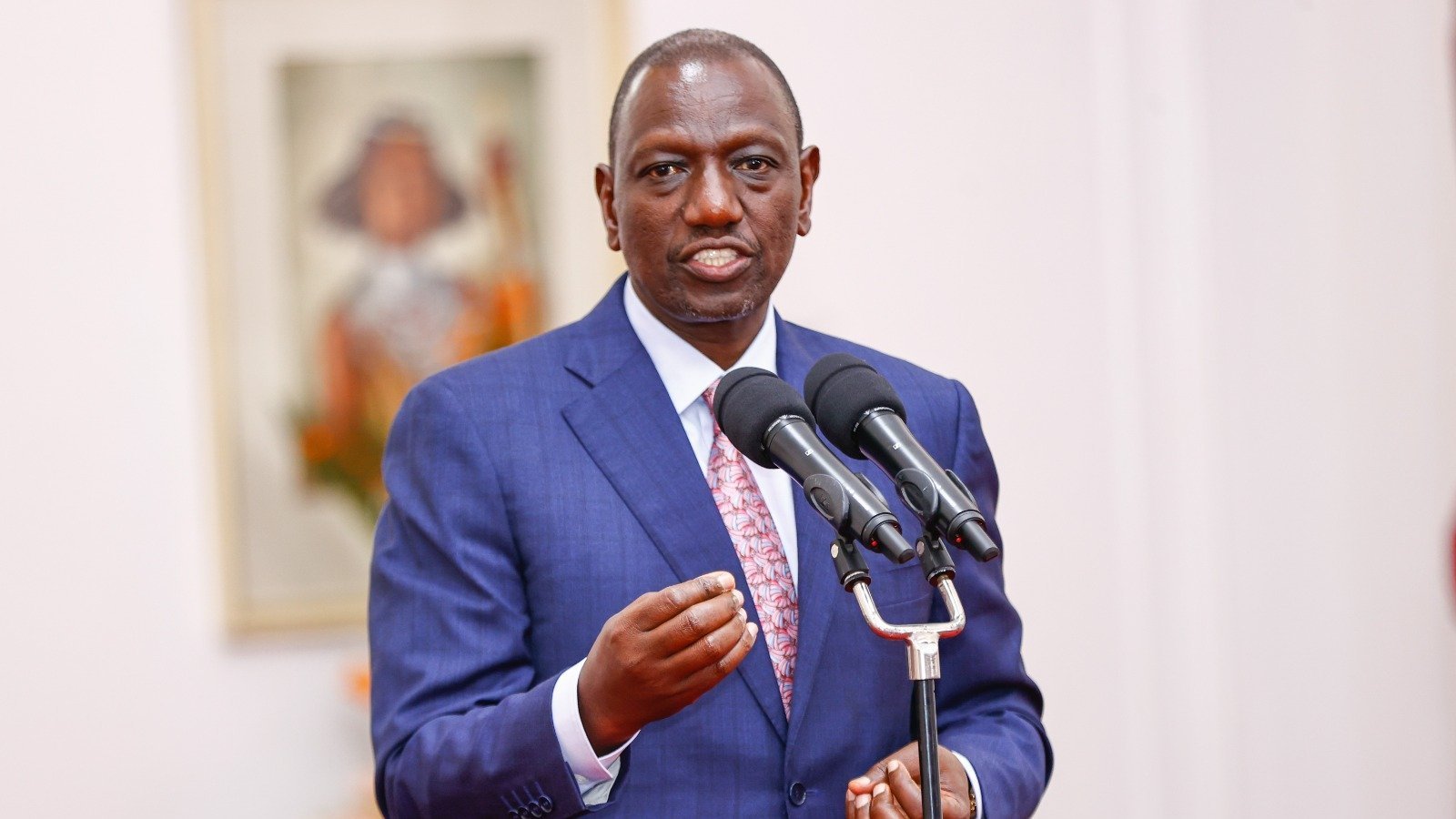
President William Ruto of Kenya is facing tough times following the rejection of a crucial finance bill aimed at tackling the country’s massive $80 billion debt. Deadly protests, driven by public frustration over proposed tax changes, led to the bill’s downfall, prompting President Ruto to issue stark warnings about its implications for the future.
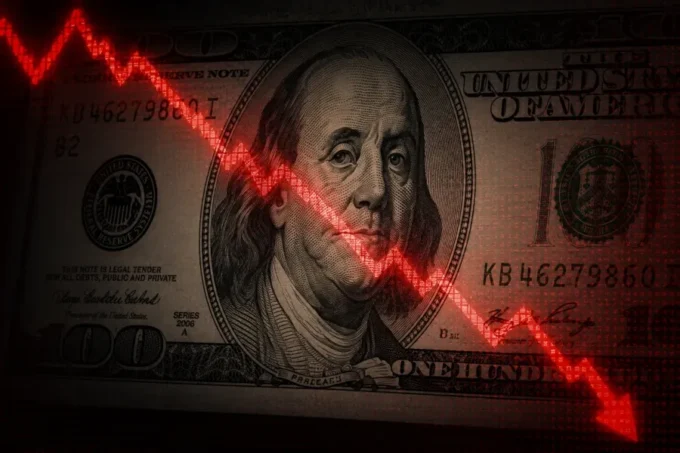
With the finance bill off the table, which was meant to address a $2.7 billion budget deficit, President Ruto now confronts Kenya’s highest debt-to-GDP ratio in two decades. The economic situation remains uncertain, especially amidst worries about more borrowing and its potential impact on interest rates and economic growth, given global uncertainties like the COVID-19 pandemic and geopolitical tensions.
Economists like Mbui Wagacha are calling for strict fiscal reforms similar to the U.S. Office of Management and Budget to ensure financial stability. Meanwhile, Ken Gichinga stresses the need to focus on boosting economic growth and creating jobs before considering higher taxes, suggesting incentives for sectors such as tourism and agriculture.
Despite public resistance to tax hikes, highlighted by recent protests, international organizations like the IMF continue to support Kenya’s efforts to strengthen its economy. Their role remains pivotal in helping Kenya navigate through economic challenges and work towards stability and prosperity.
Kenya finds itself at a critical juncture where smart financial management and strategic economic policies will be crucial for its economic future. Stay tuned to our website for the latest updates on Kenya’s economic landscape.
Photo source: Google
By: Montel Kamau
Serrari Financial Analyst
10th July, 2024