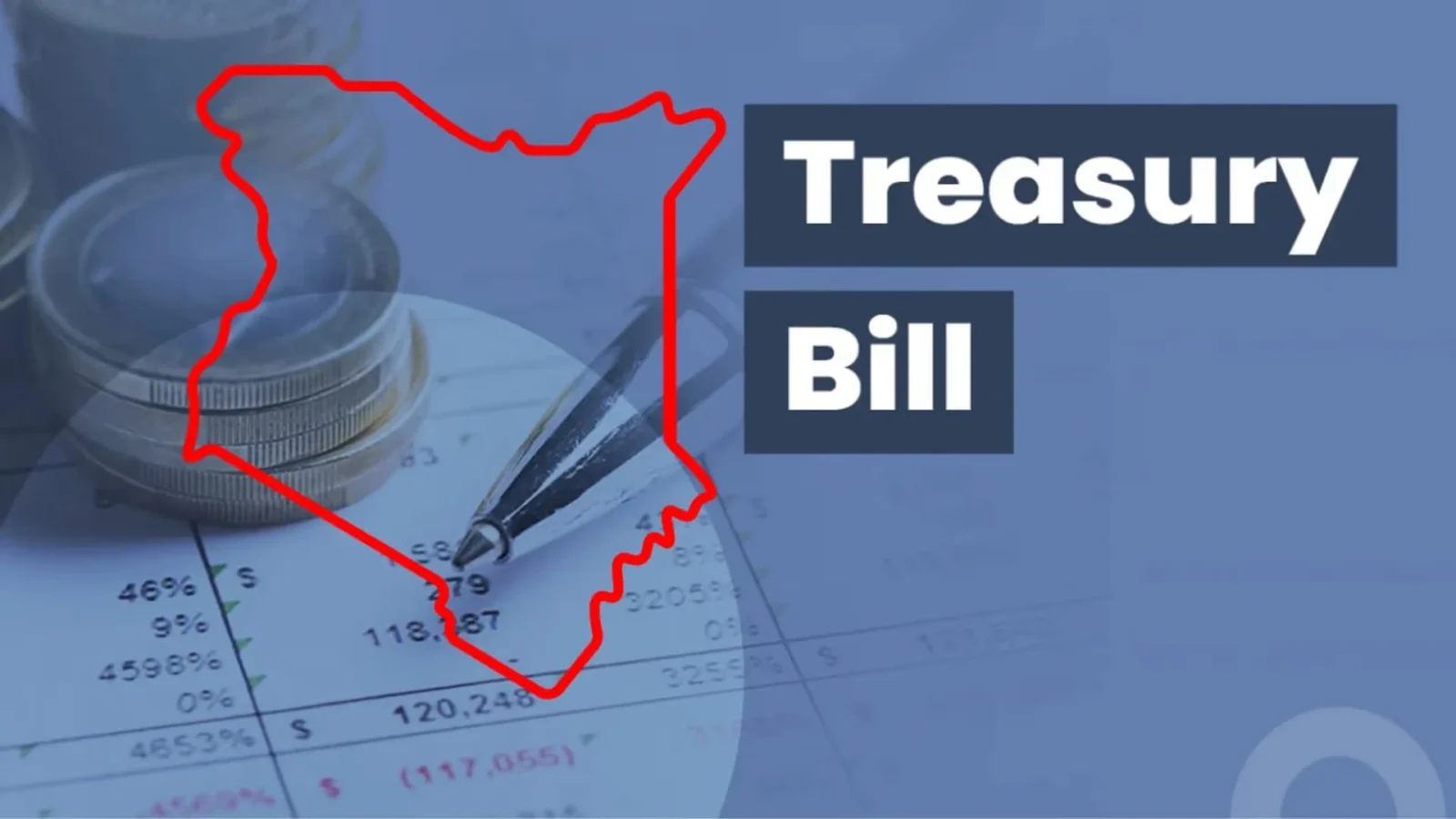
Fixed deposit versus Treasury bill comparisons should go beyond the headline interest rate. A Kenyan fixed deposit can offer a predetermined bank rate, simple account administration, negotiated terms and KDIC protection within the prescribed limit. A Treasury bill offers sovereign exposure and currently has a higher benchmark yield, but it has different purchase, maturity, tax, liquidity and reinvestment considerations. The current 2.19-point gap between the average deposit rate and the 364-day bill shows an opportunity cost for cash holders, but the comparison is not perfectly like-for-like because the deposit rate is a May banking-sector average while the Treasury bill rate is a July government-security benchmark.
LIVET-bill rates: 91-day 8.76% · 182-day 8.87% · 364-day 9.04% · auction of 8 OctSee rates →Key Overview
- CBK’s dashboard shows a 6.8% commercial-bank deposit rate for May 2026.
- The same CBK dashboard shows a 3.23% savings rate and 14.5% lending rate for May.
- CBK’s Treasury bill page shows 8.8250% for the 91-day bill, 8.9711% for the 182-day bill and 8.9923% for the 364-day bill.
- The deposit-rate gap versus the 364-day bill is 2.1923 percentage points.
- Kenya’s June headline inflation was 6.4%, with food inflation at 8.6% and transport inflation at 16.1%.
- KDIC covers eligible deposits up to KSh500,000 per depositor per member institution, with accounts at the same institution aggregated for the protected limit. (Central Bank of Kenya)
Kenya Bank Deposit Rates Trail T-Bills by 2.2 Points
The Gap Is Real, But Not Perfectly Matched
The latest CBK dashboard shows a deposit rate of 6.8% for May 2026, a savings rate of 3.23% and an average lending rate of 14.5%. On the Treasury side, CBK’s current Treasury bill table shows previous average interest rates of 8.8250% for 91 days, 8.9711% for 182 days and 8.9923% for 364 days. (Central Bank of Kenya)
The cleanest comparison is the 6.8% deposit rate versus the 8.9923% 364-day Treasury bill rate. The arithmetic gap is 2.1923 percentage points. On KSh100,000, that equals about KSh6,800 in gross annual interest at 6.8% versus about KSh8,992 at 8.9923%, a difference of roughly KSh2,192 before taxes, charges and product-specific rules.
The Deposit Rate Is an Average
The 6.8% figure should not be read as a fixed-deposit quote available from every bank. It is a weighted-average commercial-bank deposit rate for May 2026. Individual Kenya fixed-deposit rates vary by bank, amount, tenor, currency, customer relationship and negotiation.
That distinction matters. A larger depositor may negotiate a higher rate than the average. A small depositor may receive less. Some banks may offer promotional fixed-deposit pricing, while others may focus on liquidity and account relationships rather than headline yield.
Treasury Bills Offer a Higher Benchmark
Kenya Treasury bill rates currently offer a higher benchmark than the average bank deposit rate. The 364-day bill at 8.9923% is the highest of the three current T-bill tenors shown by CBK, slightly above the 182-day and 91-day rates. (Central Bank of Kenya)
But T-bills are not bank deposits. Investors typically buy them through the CBK securities infrastructure or through intermediaries, accept a defined maturity, and face reinvestment risk when the bill matures. A Treasury bill may suit money that can be committed for a specific term, but it may be less convenient for cash that must remain immediately accessible.
Inflation Narrows the Real Return
Inflation changes the purchasing-power question. KNBS reported annual consumer price inflation of 6.4% in June 2026, driven partly by food inflation of 8.6% and transport inflation of 16.1%. CBK’s dashboard displays inflation at 6.41% for June. (Kenya National Bureau of Statistics)
A simple comparison suggests the 6.8% average deposit rate only slightly exceeds headline inflation before tax. The 364-day bill offers a wider margin before tax. But subtracting inflation from a nominal rate is only a simplified purchasing-power check, not an exact compounded real-return calculation.
KDIC Protection Changes the Risk Discussion
KDIC deposit insurance is one reason some investors may accept a lower bank-deposit rate. KDIC says it provides deposit insurance coverage of up to KSh500,000 to each depositor of a member institution, and that accounts held by the same depositor at the same institution are consolidated for settlement subject to that limit. (Kenya Deposit Insurance Corporation)
KDIC also says covered accounts include fixed deposit accounts, savings accounts, current accounts and call accounts. However, balances above the protected limit are not covered, and government securities are listed among products that KDIC deposit insurance does not cover. That makes the risk comparison more nuanced than simply “bank versus government.” (Kenya Deposit Insurance Corporation)
Context is everything. Stay ahead of shifting trends with today’s market updates, and uncover emerging opportunities using the Serrari Group Market Index and Marketplace. Then, take control of your own financial future by exploring our Money & Life Reset Transformation Blueprint ™ to build stronger habits, create better systems, and design a path toward lasting wealth.
Fixed Deposits Offer Certainty and Simplicity
Fixed deposits remain useful because they are simple. Co-operative Bank describes its fixed deposit as an account where a customer deposits a specified amount for a fixed period, ranging from one to 12 months, with a competitive rate paid for the period the money is held. Its page also says the minimum amount is KSh50,000 and early upliftment can lead to forfeited interest unless sanctioned. (Co-operative Bank of Kenya)
Stanbic Bank Kenya similarly describes fixed deposits as offering a guaranteed fixed return over a definite period, with competitive and negotiable rates, no maximum investment amount, a KSh20,000 minimum and interest calculated and paid at maturity. (Stanbic Bank)
Negotiated Rates Can Close the Gap
The average rate may understate what some investors can negotiate. Stanbic’s page explicitly says rates are competitive and negotiable, while I&M Bank describes fixed deposits as fixed-term deposits with attractive interest rates, available in Kenya shillings and selected foreign currencies, over terms currently ranging from one month to one year. (Stanbic Bank)
This is important for businesses, high-net-worth clients and diaspora investors. Larger balances, longer tenors and existing bank relationships can change pricing. The 2.2-point gap is therefore a market-wide signal, not a final answer for every depositor.
Liquidity May Matter More Than Yield
Liquidity is the investor’s practical constraint. A fixed deposit may be easier to arrange through an existing bank account, but early withdrawal can reduce or forfeit interest. A Treasury bill has a fixed maturity, and selling or exiting before maturity may require market access or intermediary support.
LIVEFixed deposit ratesCompare banks →The right choice depends on the purpose of the cash. Emergency funds need access. Tax provisions, school fees or supplier payments may require predictable maturity dates. Longer-term idle cash can take more maturity risk if the investor is comfortable with the product structure.
Tax Should Not Be Ignored
The rate comparison is before investor-specific tax treatment. Deposit interest, T-bill interest and investor type can be treated differently depending on applicable tax rules and the investor’s circumstances. This is why a headline 8.9923% Treasury bill rate and a 6.8% bank deposit rate should not be compared only on gross yield.
Investors should ask for the net amount expected after tax, charges and any early-withdrawal penalties. That net number is what matters for realised return.
What Investors Should Watch
Investors should watch three things. First, whether CBK’s next Treasury bill auction keeps the 364-day rate near 9%. Second, whether commercial banks begin lifting fixed-deposit offers as they compete for deposits. Third, whether inflation stays near 6.4% or rises again through food and transport costs.
The gap could narrow if banks raise deposit pricing or if T-bill rates fall. It could widen if the government continues to pay close to 9% while bank deposit averages stay near 6.8%.
Conclusion
Kenya Bank Deposit Rates currently trail the 364-day Treasury bill by about 2.2 percentage points. That makes Treasury bills attractive on headline yield, especially for investors seeking government-security exposure and a defined maturity.
But fixed deposits still have a role. They can offer simpler bank access, negotiated pricing, predictable terms and KDIC protection within the prescribed limit. The better investor decision is not “which rate is higher?” It is “which product matches my cash purpose, liquidity needs, tax position, protection requirement and risk tolerance?”
FAQs
1. What are Kenya Bank Deposit Rates right now?
CBK’s dashboard, posted on 15 July 2026, shows the latest weighted-average commercial-bank deposit rate at 6.8% for May 2026. This is an average across commercial-bank deposits, not a guaranteed fixed-deposit offer from any one bank. Individual rates vary by bank, amount, tenor and negotiation.
2. How do Kenya Treasury bill rates compare?
CBK’s current Treasury bill table shows previous average interest rates of 8.8250% for the 91-day bill, 8.9711% for the 182-day bill and 8.9923% for the 364-day bill. Compared with the 6.8% average deposit rate, the 364-day bill offers a 2.1923-percentage-point higher benchmark before tax and fees.
3. Are fixed deposits safer than Treasury bills?
They are different types of risk. Eligible bank deposits are covered by KDIC up to KSh500,000 per depositor per member institution, while balances above that limit create additional bank-credit exposure. Treasury bills are government securities, but they are not covered by KDIC deposit insurance. Investors should compare credit risk, liquidity, maturity and protection structure.
4. Why might someone still choose a fixed deposit?
An investor may choose a fixed deposit because it is simple, bank-administered and may offer a predetermined rate for a fixed period. Larger depositors may also negotiate better terms. Fixed deposits may suit investors who value account convenience, bank relationships and defined maturity, even if the average deposit rate is below Treasury bill yields.
5. Does the 2.2-point gap guarantee better returns from Treasury bills?
No. The 2.2-point gap is a headline comparison between a May average commercial-bank deposit rate and a July Treasury bill benchmark. Actual realised returns depend on tax, timing, fees, liquidity needs, early withdrawal penalties, reinvestment rates and whether the investor holds the product to maturity.
Sources: CBK, KNBS, Kenya Deposit Insurance Corporation, Co-op Bank, Stanbic Bank, I&M Group
Your financial future isn’t something you wait for—it’s something you build.
The real question is: when do you begin?
Move beyond simply staying informed.
Navigate the markets with clarity—track trends through the Serrari Group Market Index, uncover opportunities in the Serrari Marketplace, and build practical knowledge with our Curated Wealth Builder Platform.
Stay connected to what truly matters.
Get daily insights on macro trends and financial movements across Kenya, Africa, and global markets—delivered through the Serrari Newsletter.
Growth opens doors.
Advance your career through professional programs including ACCA, HESI A2, ATI TEAS 7 , HESI EXIT , NCLEX – RN and NCLEX – PN, Financial Literacy!🌟—designed to move you forward with confidence.
See where money is flowing—clearly and in real time.
Track Money Market Funds, Treasury Bills, Treasury Bonds, Green Bonds, and Fixed Deposits, alongside global and African indexes, key economic indicators, and the evolving Crypto and stablecoin landscape—all within Serrari’s Market Index.