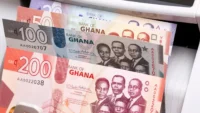













Ghana’s economy is facing one of its most severe crises in years, grappling with double-digit inflation, a weak currency, and mounting public debt. In response to the escalating inflationary pressures, the country’s central bank has taken bold action by raising its benchmark lending rate by an unexpected 50 basis points, bringing it to a staggering 30%. This move, announced at the conclusion of the monetary policy meeting on Monday, aims to curb consumer spending and combat the surging inflation rate, which hit a concerning 42.5% in May and June after a slight slowdown from 54% last December.
The series of rate hikes commenced in late 2021, with only a few brief pauses, as Accra seeks to address the economic turmoil that has plagued the nation. Ghana’s inflation crisis has prompted authorities to explore various strategies, including securing a $3 billion bailout loan from the International Monetary Fund (IMF) in June this year.
Financial analyst Richmond Frimpong has lauded the central bank’s latest decision, stating, “A hike in rates is the best way to go in the midst of the crisis.” Mr. Frimpong believes that raising interest rates will help stabilize the economy and regain control over the inflationary surge.
The governor of Ghana’s central bank, Ernest Addison, emphasized the necessity of the latest rate increase to keep the disinflation trend on track. He asserted that the tightening of monetary policy will persist until inflation reaches the desired level. However, Addison also pointed out that monetary measures alone are insufficient to combat inflation effectively. He called for complementary fiscal actions, including spending cuts, the phasing out of subsidies, and improved tax collection.
The hike in interest rates is likely to place additional strain on households and businesses, already burdened by the high cost of living. It may also have implications for economic growth in the country. To address these challenges effectively, Ghana’s Finance Minister, Ken Ofori-Atta, is preparing to deliver a mid-term budget review to parliament, where the fiscal consolidation strategy is expected to take center stage.
The World Bank has warned that the cost of living crisis, coupled with a decline in purchasing power and rising food prices, could result in 850,000 more Ghanaians falling into poverty by the end of 2022.
Ghana has thus far received a $600 million installment of the IMF’s $3 billion rescue package. This financial assistance aims to stabilize the economy during the implementation of crucial debt restructuring and other revenue-boosting economic measures.
The situation in Ghana remains closely monitored by both domestic and international stakeholders, as the nation navigates the challenging path to economic recovery amid the ongoing inflation crisis.
By: Montel Kamau Serrari Financial Analyst 25th July, 2023
photo source: Google