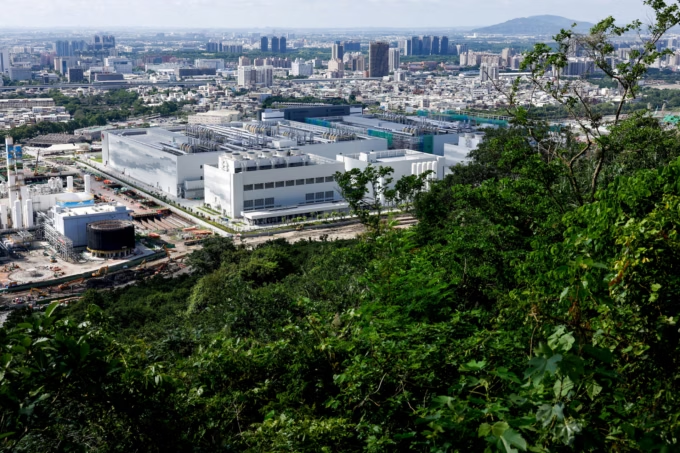
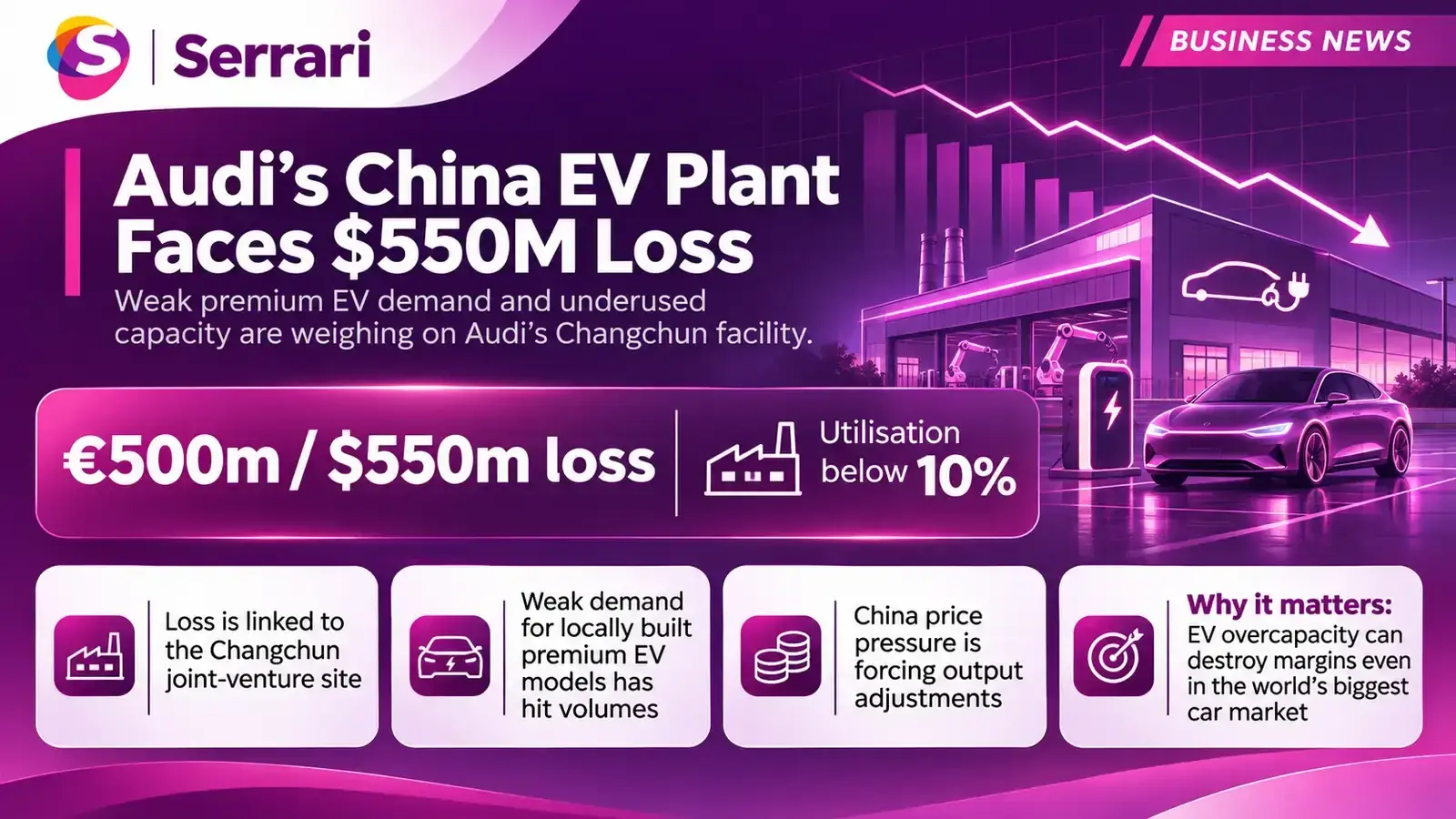
Audi faces an estimated €500 million ($550 million) loss at its Changchun electric-vehicle factory in China in 2026, according to reports citing company insiders. With utilisation reportedly below 10%, the facility illustrates the financial consequences of building manufacturing capacity ahead of demand. Audi has acknowledged adjusting production but has not confirmed the reported loss or utilisation figures. The setback comes as the Volkswagen-owned manufacturer confronts declining overall Chinese deliveries, price competition and a weaker earnings outlook, raising questions about how established European luxury brands can compete profitably in China’s evolving electric-car market.
Key Overview
- Audi’s Changchun factory reportedly faces a €500 million loss in 2026, with capacity utilisation below 10%.
- The facility was designed to manufacture more than 150,000 electric vehicles annually.
- Audi’s overall Chinese deliveries declined 24.5% in the first nine months of 2026, despite an 84.7% increase in battery-electric deliveries.
- Audi Group’s nine-month revenue fell to €42.06 billion, while operating profit declined to €1.15 billion.
- Revised 2026 guidance projects revenue of €55–59 billion and an operating margin of 3–5%.
- The company is deepening local technology partnerships to improve competitiveness in China.
Why Audi’s Changchun factory is struggling
When Audi began manufacturing electric vehicles at its new Changchun facility in December 2024, the investment represented a strategic commitment to China. Local production was intended to bring the German manufacturer closer to its customers, improve responsiveness to domestic preferences and establish a manufacturing base for its next generation of premium electric cars.
Less than two years later, the reported factory losses suggest that the anticipated demand has not materialised at the scale required. Audi confirmed it had adjusted manufacturing volumes in response to slower-than-expected development of the relevant market segment, while declining to verify the financial estimates.
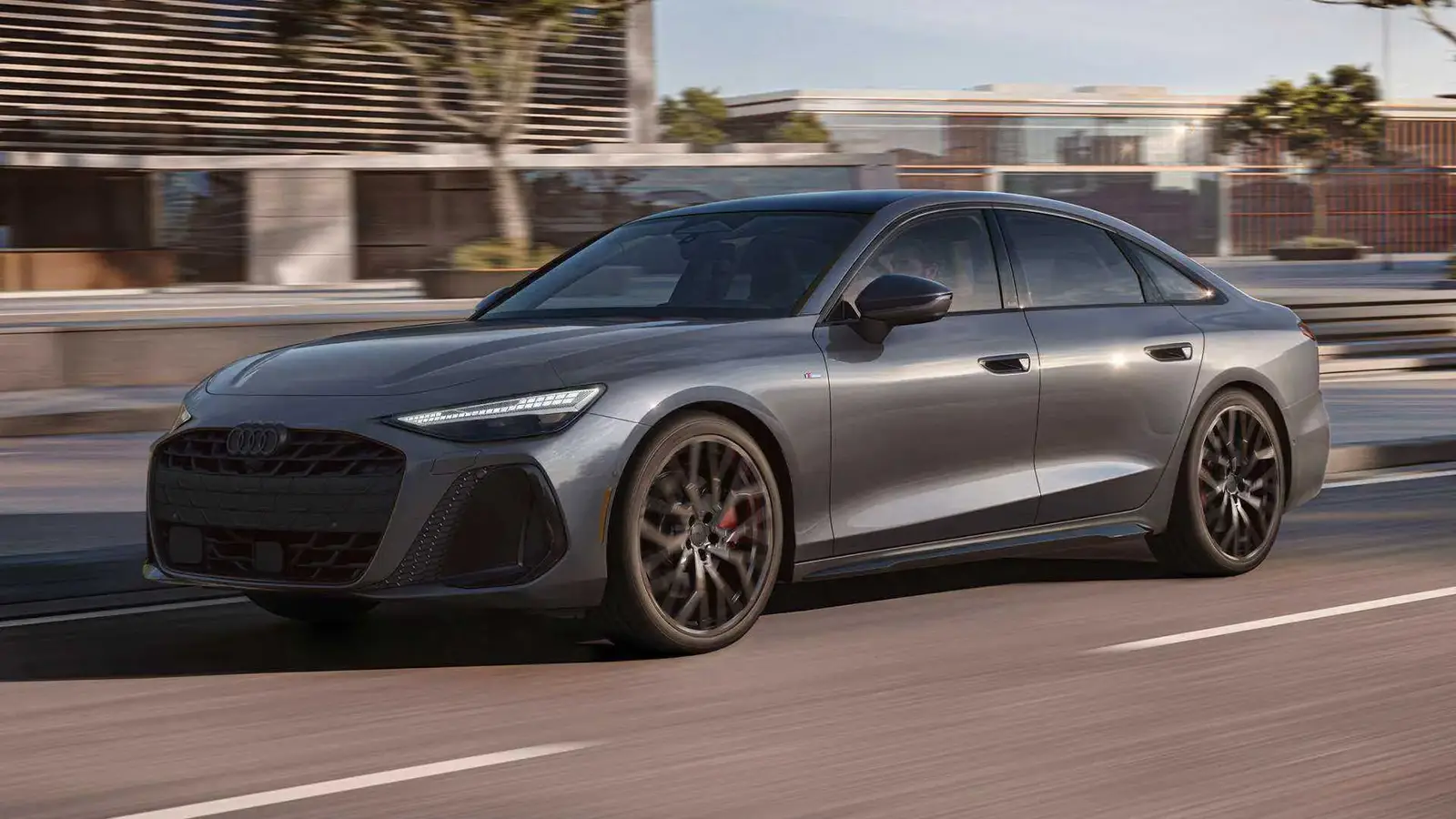
The facility, developed with state-owned Chinese automotive partner FAW Group, was designed for the Premium Platform Electric (PPE) architecture. Audi’s original production announcement specified annual capacity exceeding 150,000 vehicles, including China-specific versions of the Q6 and A6 e-tron families.
That scale was intended to lower manufacturing costs through higher output. Instead, weak demand has exposed the opposite side of the economics of mass production: the financial burden of unused capacity.
The original German reporting indicated that production had become exceptionally infrequent, taking place on only two or three days per month, according to insiders. This suggests a substantial mismatch between the factory’s installed capacity and current commercial requirements.
The immediate challenge is therefore not simply whether Audi can produce competitive electric vehicles. It is whether enough customers will purchase those vehicles at prices capable of supporting the investment already made.
How idle manufacturing capacity destroys profitability
Automotive factories involve substantial upfront capital expenditure on buildings, machinery, robotics and production systems. Once a facility is operational, depreciation, maintenance, security and some staffing costs continue even when output falls. Reducing production can limit variable expenses such as components and energy consumption, but it cannot eliminate every cost associated with owning and operating the factory.
Consider an illustrative plant capable of producing 150,000 vehicles annually with €150 million in annual fixed manufacturing costs. At full capacity, those fixed costs amount to €1,000 per vehicle. At 10% utilisation, they rise to €10,000 per vehicle. These are hypothetical figures, not Audi’s disclosed costs, but they demonstrate the mechanism behind the reported losses.
Discounting vehicles to increase sales could improve utilisation, yet it would also reduce the contribution earned on each vehicle. If prices fall too far, selling additional cars may not generate enough incremental income to justify increasing production.
Audi consequently faces a difficult balance between defending premium pricing and increasing factory throughput. Neither indiscriminate discounting nor leaving expensive equipment idle offers a sustainable solution by itself.
The reported €500 million loss should also be interpreted carefully. Public information does not establish its exact accounting composition, the distribution of losses between joint-venture partners or how much is reflected in Audi’s consolidated results. It cannot automatically be treated as an additional €500 million charge against the group’s published operating profit.
Context is everything. Stay ahead of shifting trends with today’s market updates, and uncover emerging opportunities using the Serrari Group Market Index and Marketplace. Then, take control of your own financial future by exploring our Money & Life Reset Transformation Blueprint ™ to build stronger habits, create better systems, and design a path toward lasting wealth.
China’s EV transition is no longer a guaranteed growth opportunity
The Changchun problem does not mean Chinese consumers have abandoned electric cars. Rather, the market is becoming more competitive while overall vehicle demand has weakened.
The Global EV Outlook 2026 recorded worldwide electric-car sales exceeding 20 million in 2025, an increase of 20%. However, rapid historical growth is not a reliable guarantee that every manufacturer or individual model will achieve its planned sales volumes.
More recent first-half market analysis indicates that China’s overall car sales contracted by more than 20% year on year in the first six months of 2026. Chinese producers responded by expanding exports, with electric-car shipments abroad increasing by more than 120%. The same analysis projects that electric vehicles could account for over 60% of Chinese new-car sales in 2026 even without substantial growth in their absolute sales volumes.
This distinction between market penetration and market growth is crucial. Electric vehicles can capture a larger share of a shrinking car market without creating enough incremental demand to fill newly constructed factories.
Chinese manufacturers also benefit from extensive domestic battery supply chains, local software capabilities and intense competition that encourages rapid product development. According to global manufacturing and trade analysis, China accounted for approximately 70% of electric-car production and more than 80% of battery-cell production in 2025.
For Audi, competing in this environment requires more than transferring European luxury-car engineering into an electric drivetrain. Vehicle pricing, digital interfaces, charging capabilities and the pace of software development increasingly influence customer decisions alongside traditional considerations such as craftsmanship and driving performance.
Rising electric deliveries conceal a wider commercial decline
Audi’s nine-month financial results reveal an apparent contradiction: battery-electric deliveries in China, including Hong Kong, increased 84.7% to 24,203 vehicles, while total Audi brand deliveries in the region declined 24.5% to 328,042.
Fully electric vehicles therefore represented only about 7.4% of the brand’s regional deliveries. The rapid percentage growth came from a relatively small base and was insufficient to compensate for the wider decline. Moreover, the delivery figures cover Audi’s regional electric portfolio rather than production exclusively at Changchun.
This is why strong electric-sales growth can coexist with an underused electric-car factory. Manufacturing economics depend on the absolute number of units sold from a particular facility, not merely the percentage growth of an entire product category.
The group’s weaker outlook compounds the problem. Its October financial guidance revision reflected deteriorating Chinese conditions and international pricing pressures. For the first nine months of 2026, group revenue declined approximately 13.1%, operating profit fell 26% and net profit dropped about 41%.
These pressures reduce the financial room available to absorb prolonged factory losses while maintaining expenditure on future products. The strategic challenge is to restore competitiveness without allowing restructuring to undermine the innovation needed for recovery.
Audi is shifting towards deeper Chinese partnerships
Rather than abandoning China, Audi is adapting its approach through closer collaboration with local manufacturers and technology companies. Its separate partnership with SAIC has produced a China-exclusive brand, AUDI, whose first vehicle was the E5 Sportback in 2025.
The company also announced a new technology centre in Shanghai in November 2026. The centre is intended to accelerate product development, improve driver-assistance systems and create digital experiences tailored to Chinese consumers, with around 300 employees planned.
The initiative reflects a broader change in the relationship between foreign manufacturers and China’s industrial ecosystem. Local partnerships are increasingly valuable not only for manufacturing and distribution, but also for access to software engineering, digital services and faster development processes.
However, success with the SAIC partnership would not automatically resolve the capacity problem at the separate FAW-backed Changchun facility. Audi must ensure that its various product strategies complement one another rather than compete for the same customers and investment resources.
What the losses mean for Volkswagen and the global car industry
The Changchun experience offers a warning for manufacturers undertaking large electric-vehicle investments elsewhere. Building dedicated factories based on optimistic demand forecasts can create long-lasting financial exposure if purchasing patterns change faster than production plans.
For Volkswagen Group, the implications extend to capital allocation. Every additional euro committed to supporting underused production capacity competes with investment in battery technology, software, new models and other manufacturing locations. The relevant question is whether future returns justify retaining that capacity, adapting it or reducing its operating footprint.
For customers, stronger competition could translate into more attractive prices and better-equipped vehicles, although discounts can also weaken resale values. For suppliers and workers, prolonged low output may reduce orders and employment opportunities, even without a formal factory closure announcement.
Audi’s challenge is not unique to the electric-vehicle transition, but that transition has accelerated the consequences of getting demand forecasts wrong. The key indicators for its recovery will be sustained model-level sales, factory utilisation, pricing discipline and the ability to turn Chinese electric-vehicle growth into profitable production.
Ultimately, the reported loss illustrates a fundamental shift in the global automotive industry: access to the world’s largest electric-car market is no longer enough. Manufacturers must earn an adequate return on the capacity they build, while developing products quickly enough to remain relevant in a market where technological leadership and consumer preferences are changing rapidly.
Sources: Reuters / Handelsblatt / Audi / International Energy Agency
Your financial future isn’t something you wait for—it’s something you build.
The real question is: when do you begin?
Move beyond simply staying informed.
Navigate the markets with clarity—track trends through the Serrari Group Market Index, uncover opportunities in the Serrari Marketplace, and build practical knowledge with our Curated Wealth Builder Platform.
Stay connected to what truly matters.
Get daily insights on macro trends and financial movements across Kenya, Africa, and global markets—delivered through the Serrari Newsletter.
Growth opens doors.
Advance your career through professional programs including ACCA, HESI A2, ATI TEAS 7 , HESI EXIT , NCLEX – RN and NCLEX – PN, Financial Literacy!🌟—designed to move you forward with confidence.
See where money is flowing—clearly and in real time.
Track Money Market Funds, Treasury Bills, Treasury Bonds, Green Bonds, and Fixed Deposits, alongside global and African indexes, key economic indicators, and the evolving Crypto and stablecoin landscape—all within Serrari’s Market Index.