















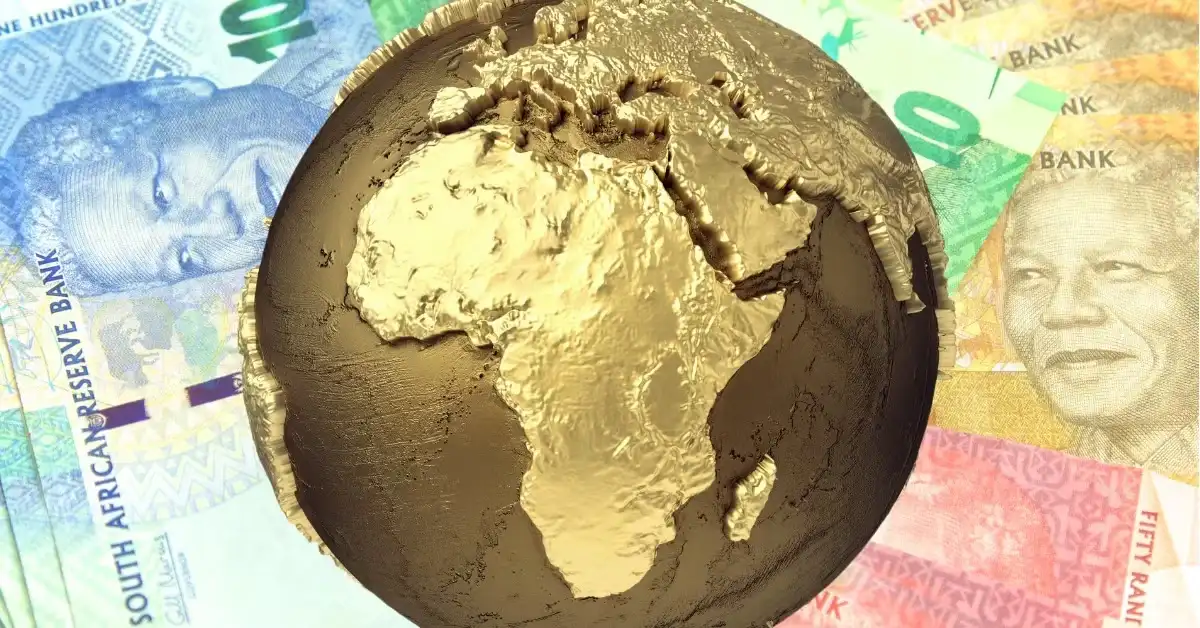
The new African Government Bond ETF from Legal & General Asset Management gives investors packaged exposure to US-dollar sovereign debt issued by eligible African countries.
The fund tracks the iBoxx LSF USD African Sovereigns Index and includes both investment-grade and sub-investment-grade government bonds. Instead of purchasing and analysing individual African Eurobonds, investors can access a broader portfolio through exchange-traded units.
The UK Foreign, Commonwealth and Development Office provided initial co-seeding through the MOBILIST programme, marking the first time the development programme has seeded an ETF.
The structure may improve access, diversification and market visibility. However, it does not remove sovereign-default risk, refinancing pressure, US interest-rate exposure, index concentration or liquidity challenges in the underlying African bonds.
Key Overview
- Legal & General Asset Management has launched a US-dollar African sovereign-bond ETF.
- The fund is structured as a UCITS ETF.
- It tracks the iBoxx LSF USD African Sovereigns Index.
- The index includes investment-grade and sub-investment-grade sovereign debt.
- The underlying index was launched in 2024.
- MOBILIST provided initial co-seeding through the UK FCDO.
- It is the first ETF to receive seed participation from FCDO.
- The fund offers exposure across eligible African sovereign issuers.
- Dollar denomination removes direct local-currency exposure at fund level.
- Investors remain exposed to default, restructuring, duration and liquidity risks.
- FCDO participation does not guarantee investor capital or returns.
- Final fund-level details require confirmation from the official factsheet.
African Government Bond ETF Opens New Route to Sovereign Debt
Legal & General Asset Management has launched a US-dollar exchange-traded fund designed to give international investors diversified exposure to African government bonds.
According to ETF Express’s current launch report, the fund tracks the iBoxx LSF USD African Sovereigns Index and holds eligible sovereign bonds issued in US dollars.
The portfolio includes both investment-grade and sub-investment-grade debt, meaning investors may receive exposure to a range of African governments with different credit ratings, economic conditions and borrowing risks.
The fund is structured as a UCITS ETF, providing an investment format already familiar to many European and international institutional and retail investors.
The launch also includes initial co-seeding from the UK Foreign, Commonwealth and Development Office through the MOBILIST programme.
The transaction represents the first time the FCDO has seeded an exchange-traded fund.
The ETF Packages African Eurobonds
African governments frequently borrow from international investors by issuing bonds denominated in US dollars, euros or other foreign currencies.
These securities are commonly referred to as sovereign Eurobonds.
The term Eurobond does not necessarily mean that the bond is issued in euros or within Europe. It generally describes a bond issued internationally in a currency different from the issuer’s domestic currency.
For example, an African government may issue a US-dollar bond to raise funding from global investors.
The new ETF invests in this type of dollar-denominated African sovereign debt rather than lending directly to governments through a new primary bond issue.
Investors buy units in the fund, while the ETF provides exposure to a portfolio of bonds selected according to the rules of the underlying index.
The Funds Europe independent launch coverage explains that the ETF is intended to improve access to African sovereign debt through a diversified and familiar investment vehicle.
Direct Bond Investing Can Be Difficult
Investing directly in African Eurobonds can require substantial research and dealing capacity.
An investor must decide:
- Which country to lend to;
- Which bond maturity to purchase;
- Whether the yield compensates for the risk;
- How the country will repay or refinance the debt;
- Whether the bond trades actively;
- How political developments affect credit quality; and
- How the investment fits within a wider portfolio.
Individual bonds may also trade in relatively large minimum dealing sizes.
This can make it difficult for smaller investors to build a diversified portfolio across several countries and maturities.
The ETF seeks to simplify this process by combining eligible bonds within one exchange-traded product.
Investors can purchase units in the fund rather than separately sourcing and analysing every sovereign bond.
However, the ETF does not remove the need to understand the risks contained within the portfolio.
What the UCITS Structure Provides
UCITS is a European regulatory framework for investment funds.
It establishes requirements covering areas such as diversification, custody, disclosure, risk management and investor protection.
The structure is widely recognised by banks, pension funds, wealth managers and other investment institutions.
Using a UCITS ETF may therefore make African sovereign bonds easier to include within existing portfolios and investment platforms.
The Legal & General Asset Management platform provides the fund within the wider investment range of a major global asset manager.
The structure may help investors who previously found direct African Eurobond investing too specialised, operationally difficult or concentrated.
However, UCITS regulation does not guarantee that the underlying assets will increase in value.
The bonds remain exposed to the financial position of the governments that issued them.
The Index Determines What Investors Own
The ETF tracks the iBoxx LSF USD African Sovereigns Index.
The index was launched in 2024 and is designed to represent eligible US-dollar sovereign bonds issued by African countries.
The official iBoxx fixed-income index family provides rules-based benchmarks used by asset managers to construct and evaluate bond portfolios.
An index normally determines:
- Which countries qualify;
- Which bonds are eligible;
- Minimum issue sizes;
- Remaining maturity requirements;
- Credit-rating conditions;
- Country or issuer limits;
- Weighting methodology; and
- When the portfolio is rebalanced.
These rules are important because the ETF does not select bonds solely according to the portfolio manager’s personal judgment.
Its holdings and country exposures are substantially determined by the index methodology.
The final index document and fund factsheet will therefore be central to understanding what investors actually own.
Diversification May Reduce Single-Country Exposure
Purchasing a single African Eurobond exposes the investor mainly to one government.
A sovereign-bond ETF can spread exposure across several eligible issuers.
This may reduce the damage caused by a problem affecting one country.
For example, a restructuring, missed payment or sharp decline in one bond would affect only part of a diversified portfolio rather than the entire investment.
Diversification may also provide exposure to different:
- Economic cycles;
- Commodity exporters and importers;
- Debt maturities;
- Credit ratings;
- Political systems; and
- Sources of government revenue.
However, diversification cannot eliminate regional or global risks affecting several African countries simultaneously.
Many African governments face similar pressures from high dollar borrowing costs, limited foreign-exchange reserves, rising debt-service obligations and dependence on commodity or external funding.
Index Weighting Could Still Create Concentration
The value of the ETF will depend not only on the number of countries included but also on how the index weights them.
A portfolio can contain several countries while remaining heavily concentrated in its largest two or three issuers.
Larger sovereign borrowers may receive higher weights because they have more bonds outstanding or more liquid securities.
This could direct more ETF capital toward governments that have already issued substantial amounts of international debt.
Smaller countries with limited bond issuance may receive little or no exposure, even where their securities offer attractive opportunities.
Liquidity rules may reinforce this concentration.
An index provider generally prefers bonds that can be priced and traded reliably. The most actively traded African Eurobonds are often issued by the region’s larger or more frequent international borrowers.
The ETF may therefore improve access to African debt without necessarily distributing capital evenly across the continent.
Context is everything. Stay ahead of shifting trends with today’s market updates, and uncover emerging opportunities using the Serrari Group Market Index and Marketplace. Then, take control of your own financial future by exploring our Money & Life Reset Transformation Blueprint ™ to build stronger habits, create better systems, and design a path toward lasting wealth.
MOBILIST Is Supporting the Launch
The UK Foreign, Commonwealth and Development Office has provided initial co-seeding through MOBILIST.
The MOBILIST official investment programme overview describes the programme as an initiative designed to mobilise private investment through public markets and support financing for sustainable development.
Seed capital can help a new fund begin operating with an initial pool of assets.
This may support early trading, provide confidence to other investors and help the ETF achieve the minimum scale needed to operate efficiently.
The involvement of a development-finance programme also signals an intention to increase private capital flows toward African sovereign markets.
However, investors should understand what co-seeding does and does not mean.
FCDO participation does not guarantee the debts of the African governments held by the ETF.
It also does not guarantee:
- The ETF’s market price;
- The value of investor units;
- The repayment of underlying bonds;
- Future distributions; or
- Protection against investment losses.
The FCDO official organisation information page explains the department’s wider role in international development and foreign policy.
Its participation should be viewed as catalytic investment support rather than insurance for ETF investors.
The L&G African Government Bond USD UCITS ETF gives investors exposure to a diversified portfolio of eligible African sovereign Eurobonds. The fund is denominated in US dollars and tracks the iBoxx LSF USD African Sovereigns Index, which includes investment-grade and sub-investment-grade government bonds. Investors purchase exchange-traded units rather than selecting individual sovereign bonds. The infographic compares direct Eurobond investing with an ETF, showing differences in diversification, dealing size, bond selection, management fees and distributions. It also highlights the main risks, including sovereign default, debt restructuring, US interest rates, country concentration, tracking error and limited liquidity in the underlying bonds.
Dollar Denomination Changes the Risk
The ETF and its underlying bonds are denominated in US dollars.
This means the fund does not directly expose a dollar-based investor to movements in African local currencies.
However, the governments issuing the bonds may still earn most of their revenue in their domestic currencies.
They must generate, purchase or receive sufficient US dollars to pay interest and repay the principal.
A sharp fall in a country’s local currency can therefore increase the domestic cost of servicing its dollar debt.
The government may also face difficulty obtaining foreign currency where reserves are low or export earnings decline.
Dollar denomination removes one layer of currency risk for the fund investor, but it does not eliminate currency-related repayment risk for the sovereign issuer.
Higher Yields Reflect Higher Risks
African Eurobonds can offer higher yields than government debt issued by the United States, United Kingdom or other developed markets.
These yields may attract investors seeking income and portfolio diversification.
However, a high yield is not automatically evidence that a bond is undervalued.
It may reflect:
- Weak public finances;
- High debt-service costs;
- Limited foreign-exchange reserves;
- Political uncertainty;
- Refinancing pressure;
- Commodity dependence;
- Low credit ratings; or
- A perceived risk of restructuring.
The ETF includes both investment-grade and sub-investment-grade bonds.
Sub-investment-grade securities generally offer higher yields because investors demand greater compensation for the possibility of delayed payment, restructuring or default.
The ETF’s portfolio yield will therefore need to be assessed together with its credit quality and country composition.
US Interest Rates Affect the Fund
African sovereign Eurobonds are influenced by both country-specific risk and movements in US interest rates.
When US Treasury yields rise, investors may demand higher yields from African bonds.
Existing bond prices can decline because newly issued securities may offer more attractive rates.
Longer-duration bonds are usually more sensitive to changes in market interest rates than shorter-duration instruments.
The ETF’s duration will therefore be an important measure of its potential price sensitivity.
At the time of the initial launch coverage, the public reports did not provide the fund’s:
- Yield to maturity;
- Average duration;
- Number of holdings;
- Average credit rating; or
- Maturity profile.
These figures should be confirmed from the official fund factsheet before publication or investment analysis.
ETF Liquidity Has Two Layers
Investors can buy and sell ETF units on an exchange.
This creates the first layer of liquidity.
The second layer is the liquidity of the African sovereign bonds held by the fund.
These are not the same thing.
An ETF may appear actively traded while some of its underlying bonds trade infrequently.
Authorised participants and market makers normally help connect the ETF price with the value of the underlying portfolio.
However, during periods of market stress, differences may develop between the price of the ETF and its reported net asset value.
Wide bid-and-offer spreads in the underlying bonds may also increase trading costs or make portfolio adjustments more difficult.
The ETF structure improves access, but it cannot make every underlying African Eurobond continuously liquid.
Tracking Error Can Affect Returns
The ETF is designed to follow an index, but its return may not be identical to the benchmark.
The difference is known as tracking error or tracking difference.
It can result from:
- Management fees;
- Transaction costs;
- Tax treatment;
- Cash held by the fund;
- Timing of index changes;
- Difficulty purchasing certain bonds;
- Different bond prices; or
- Sampling rather than holding every constituent.
Investors should therefore compare the fund’s performance with the index after it develops a meaningful operating record.
The total expense ratio will also matter because fees reduce the return received by investors.
The current launch reports do not disclose the confirmed management fee.
The Fund Price May Differ From NAV
An ETF has both a market price and a net asset value.
Net asset value represents the calculated value of the bonds and other assets held by the fund, less its liabilities.
The market price is the amount buyers and sellers agree to pay for ETF units on an exchange.
Under normal conditions, the two figures should remain close.
During periods of market stress or limited underlying bond liquidity, the ETF may trade above or below its calculated net asset value.
A discount may indicate that investors are willing to sell units for less than the reported value of the portfolio.
A premium means investors are paying more than the reported value of the underlying assets.
Investors should therefore examine spreads, premiums, discounts and trading volumes rather than focusing only on the ETF’s published NAV.
Direct Bonds and the ETF Differ
An investor who buys an individual sovereign Eurobond knows the specific issuer, coupon, maturity date and repayment obligation.
The investor can hold the bond to maturity, provided the government continues meeting its obligations.
An ETF does not usually mature in the same way.
It continuously tracks an index and may sell bonds as they become ineligible, approach maturity or are removed during rebalancing.
Distributions will depend on the fund’s stated policy.
The ETF may pay income periodically, accumulate it within the fund or use another arrangement described in the factsheet.
Investors should not assume that buying the ETF provides the same cash-flow pattern as owning a particular sovereign bond directly.
Missing Fund Details Still Matter
Before investors can assess the ETF fully, they need the official factsheet and index methodology.
Important details include:
- Total expense ratio;
- Initial seed capital;
- Listing exchange;
- Trading ticker;
- Number of bond holdings;
- Country weights;
- Largest individual holdings;
- Yield to maturity;
- Average duration;
- Credit-rating distribution;
- Income-distribution policy;
- Rebalancing frequency; and
- Country concentration limits.
The Legal & General fund information platform should provide the controlling product documents once the final materials become publicly available.
Investors should rely on the official prospectus, key information document and factsheet rather than launch coverage alone.
What Investors Should Monitor
The first issue is country concentration.
Investors should establish whether the ETF provides genuinely broad African exposure or remains dominated by a small group of larger Eurobond issuers.
Credit quality also matters.
A high proportion of sub-investment-grade debt may increase the fund’s yield but also raise the probability of sharp price movements, restructuring or missed payments.
Investors should also monitor:
- Dollar debt-service burdens;
- Upcoming sovereign maturities;
- Foreign-exchange reserves;
- International Monetary Fund programmes;
- Commodity prices;
- Political developments;
- Fiscal deficits;
- US Treasury yields;
- ETF trading spreads; and
- Differences between market price and NAV.
The role of MOBILIST should be monitored separately.
Successful co-seeding could help attract private investors and encourage similar public-market products. However, the fund must eventually build sustainable market demand beyond its initial development-finance support.
Conclusion
The new African Government Bond ETF provides international investors with a simpler route into US-dollar sovereign debt issued across the continent.
By using a UCITS structure and tracking a rules-based iBoxx index, Legal & General is packaging a specialised fixed-income market within a familiar exchange-traded product.
MOBILIST’s participation may help the ETF establish initial scale and encourage more private capital to consider African sovereign bonds.
However, the fund does not remove the underlying risks.
Investors remain exposed to sovereign defaults, restructurings, US interest rates, country concentration, index construction and limited bond-market liquidity.
The most important unanswered questions concern the fund’s fees, holdings, yield, duration, country weights and distribution policy.
Once the official factsheet is available, these figures will determine whether the ETF offers genuinely broad and efficient exposure or mainly repackages the continent’s largest and most liquid Eurobond issuers.
FAQs
1. What does the African government bond ETF invest in?
The ETF invests in eligible US-dollar bonds issued by African sovereign governments. It tracks the iBoxx LSF USD African Sovereigns Index, which includes investment-grade and sub-investment-grade debt. Investors buy units in the ETF rather than directly selecting individual government bonds. The exact countries, bonds and portfolio weights should be confirmed from the official fund factsheet.
2. Does FCDO participation protect investors?
No. The UK Foreign, Commonwealth and Development Office participated in the initial co-seeding through the MOBILIST programme. This can support the fund’s launch and help attract private investment, but it is not a guarantee. Investors remain exposed to changes in the ETF’s value and the credit risk of the African governments whose bonds are held by the fund.
3. Does dollar denomination remove currency risk?
Dollar denomination removes direct exposure to African local currencies for an investor whose base currency is the US dollar. However, African governments may earn most of their revenue in local currency while owing interest and principal in dollars. Local-currency weakness can therefore make the debt more expensive for the issuer to service and increase sovereign-credit risk.
4. Is the ETF safer than buying one African Eurobond?
The ETF can reduce concentration by spreading the investment across several countries and bonds. However, diversification does not remove sovereign, interest-rate or liquidity risks. The ETF also introduces management fees, tracking error and the possibility that its market price may differ from net asset value. Whether it is more suitable depends on the investor’s objectives, risk tolerance and ability to analyse individual bonds.
Sources: ETF Express current launch report, Funds Europe independent launch coverage, Legal & General investment platform, MOBILIST official programme information, UK FCDO official organisation page and official iBoxx index information.
Your financial future isn’t something you wait for—it’s something you build.
The real question is: when do you begin?
Move beyond simply staying informed.
Navigate the markets with clarity—track trends through the Serrari Group Market Index, uncover opportunities in the Serrari Marketplace, and build practical knowledge with our Curated Wealth Builder Platform.
Stay connected to what truly matters.
Get daily insights on macro trends and financial movements across Kenya, Africa, and global markets—delivered through the Serrari Newsletter.
Growth opens doors.
Advance your career through professional programs including ACCA, HESI A2, ATI TEAS 7 , HESI EXIT , NCLEX – RN and NCLEX – PN, Financial Literacy!🌟—designed to move you forward with confidence.
See where money is flowing—clearly and in real time.
Track Money Market Funds, Treasury Bills, Treasury Bonds, Green Bonds, and Fixed Deposits, alongside global and African indexes, key economic indicators, and the evolving Crypto and stablecoin landscape—all within Serrari’s Market Index.