G7 finance and energy ministers have signaled readiness to act to stabilise global energy markets as geopolitical tensions disrupt supply routes and push oil prices higher. While no concrete measures have been announced, the situation highlights rising risks to inflation, economic growth, and global supply chains. The developments reflect growing pressure on energy systems and the need for coordinated global responses.
Key Overview
- G7 signals readiness to act to stabilise global energy markets
- Oil prices surge above $116–$119 per barrel amid supply risks
- Strait of Hormuz disruption raises global supply concerns
- Inflation and economic stability risks are increasing globally
Global energy markets are once again under strain as geopolitical tensions in the Middle East intensify, disrupting supply routes and triggering a sharp rise in oil prices. In response, economy and energy ministers from the Group of Seven (G7) have signaled that they are prepared to take coordinated action to stabilize markets if necessary.
This signal comes at a time when volatility is accelerating. Oil prices have surged rapidly, with Brent crude rising above $116 per barrel and later approaching $119. The speed of this increase is particularly notable, given that prices had been closer to $70 prior to the escalation of tensions.
Such movements reflect more than short-term fluctuations. They signal underlying concerns about supply security and the fragility of global energy systems. When prices rise this quickly, it suggests that markets are reacting not just to current disruptions, but also to the possibility of further escalation.
Energy markets are highly sensitive to geopolitical developments, particularly when they involve key production or transit regions. In this case, the combination of supply constraints and uncertainty is amplifying price volatility, creating a ripple effect across global economies.
Markets move fast; don’t get left behind. We’ve paired the Serrari Group Market Index with a curated Marketplace and a comprehensive Wealth Builder Course to ensure you have the data—and the skills—to act on it.
The Strait of Hormuz: A Critical Pressure Point
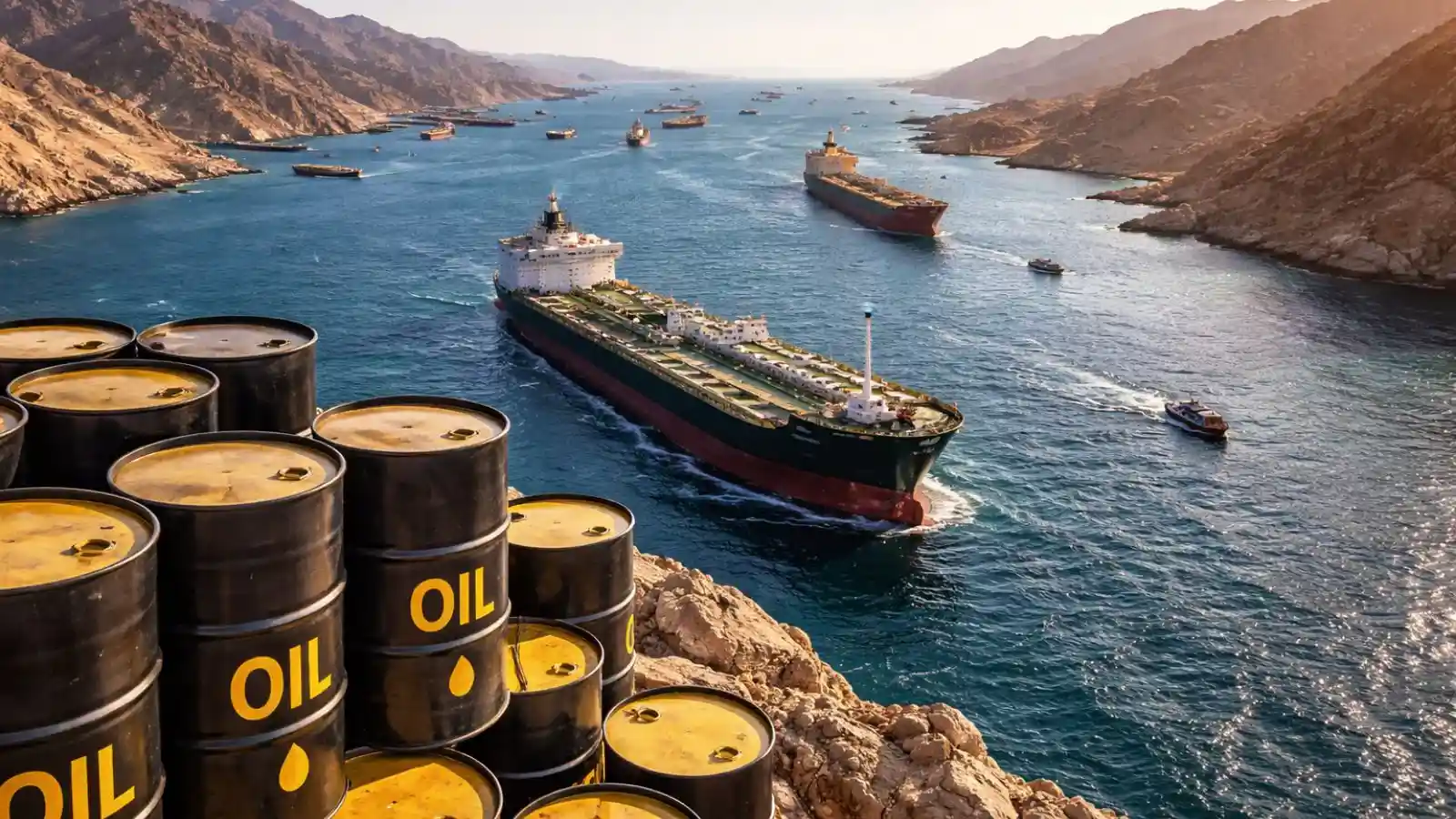
At the center of the disruption is the Strait of Hormuz, one of the most strategically important oil transit routes in the world. The current conflict has effectively blocked shipping through this narrow corridor, immediately constraining global supply.
A significant portion of the world’s oil and gas flows through this passage, making it a critical chokepoint in the global energy system. Even temporary disruptions can have outsized effects on prices and supply availability.
The situation has been further complicated by Iran’s actions targeting Gulf oil producers, increasing uncertainty about the duration and scale of disruptions. Markets are not only reacting to current conditions but also pricing in the risk of prolonged instability.
Beyond oil, natural gas markets are also exposed. Analysts have warned that prices could rise to levels seen during previous energy crises, reflecting the interconnected nature of global energy systems.
This interconnectedness means that disruptions in one area can quickly spread across multiple markets, amplifying their impact.
G7 Signals Coordination Without Immediate Action
In response to these developments, G7 ministers convened to assess the situation and issued a unified statement emphasizing their readiness to act.
The statement reflects concern about market stability and acknowledges the broader economic implications of rising energy prices. However, it stops short of outlining specific measures, indicating that policymakers are still evaluating the most appropriate response.
This approach highlights the complexity of the situation. Acting too quickly without fully understanding the scope of the disruption could lead to unintended consequences, while delaying action risks allowing market instability to worsen.
The G7 also called for avoiding export restrictions on oil and gas, recognizing that such measures could exacerbate supply constraints and increase volatility.
This emphasis on coordination underscores the importance of a collective response in managing global energy challenges.
Supply Measures Are Facing Limits
Efforts to stabilize markets have already been undertaken, but their effectiveness appears limited.
The International Energy Agency coordinated the release of a record 400 million barrels of oil from strategic reserves earlier in March. This was intended to provide immediate relief and offset supply disruptions.
However, the continued rise in prices suggests that these measures have not been sufficient to counteract the underlying pressures.
Strategic reserves are designed to address short-term disruptions, but they cannot fully compensate for prolonged supply constraints or sustained geopolitical risk.
This highlights a key limitation in current market stabilisation tools. While they can provide temporary relief, they are not a substitute for stable and secure supply chains.
Inflation Pressures Begin to Build
The surge in energy prices is already translating into broader economic concerns, particularly in relation to inflation.
Energy costs are a fundamental component of economic activity. As oil and gas prices rise, the impact is felt across transportation, manufacturing, and agriculture. These increased costs are often passed on to consumers, leading to higher prices for goods and services.
This creates a cascading effect, where energy price increases contribute to broader inflationary pressures.
G7 ministers have acknowledged these risks, noting that rising energy prices could affect both markets and economic growth.
For central banks, this presents a complex challenge. Efforts to control inflation through higher interest rates could slow economic activity, while maintaining lower rates risks allowing inflation to persist.
This delicate balance highlights the interconnected nature of energy markets and macroeconomic policy.
Context is everything. While you follow today’s updates, use the Serrari Group Market Index and Marketplace to spot emerging shifts. Need to sharpen your edge? Our Wealth Builder Course turns these insights into a professional-grade strategy.
Supply Chain Risks Extend Beyond Energy
The disruption is not limited to oil and gas markets. The Strait of Hormuz is also a critical route for other commodities, including fertilisers, which play a key role in global food production.
Any prolonged disruption could therefore have wider implications for supply chains, affecting industries beyond energy.
This interconnectedness increases the risk of broader economic disruption, as shortages and price increases spread across multiple sectors.
As supply chains become more strained, the potential for cascading effects grows, making the situation more difficult to manage.
Europe Faces Renewed Energy Pressure
For Europe, the current situation adds another layer of complexity to an already challenging energy landscape.
The region is still adjusting to reduced gas imports from Russia, making it more vulnerable to additional supply disruptions.
The diversion of LNG shipments to Asia, where prices are higher, further tightens supply in European markets, increasing competition for available resources.
European energy ministers are expected to review supply levels and assess potential responses, reflecting the urgency of the situation.
This highlights the regional disparities in how global energy shocks are experienced, with some areas more exposed than others.
National Responses Begin to Take Shape
As global coordination continues, individual countries are beginning to implement their own measures.
Poland is considering a fuel price cap, following similar actions by Hungary and Croatia. These measures are aimed at protecting consumers from rising costs, but they also highlight the growing pressure on governments to respond quickly.
France has introduced targeted financial support for sectors such as agriculture, transport, and fishing, which are particularly vulnerable to energy price increases.
These responses reflect the immediate need to manage the economic impact of rising energy costs at the national level.
Energy Policy Is Shifting Toward Resilience
The current situation is accelerating longer-term changes in energy policy.
There is increasing focus on reducing dependence on imported fossil fuels and strengthening domestic energy systems.
Investments in renewable energy, grid infrastructure, and energy efficiency are becoming more central to policy discussions, reflecting a broader shift toward resilience.
This shift is driven by the recognition that energy security is closely linked to economic stability.
Uncertainty Continues to Drive Markets
Despite ongoing discussions and policy responses, uncertainty remains a defining feature of the current situation, shaping both market sentiment and price movements. While efforts are being made to stabilise conditions, the absence of a clear and immediate resolution continues to weigh heavily on global energy markets.
Diplomatic efforts are underway, but there is still no clear outcome in sight. The possibility of further escalation remains a persistent concern, influencing how investors, policymakers, and businesses respond. In such an environment, even incremental developments can trigger sharp market reactions as participants reassess risks and expectations in real time.
This uncertainty contributes directly to volatility, as markets react to new information and adjust pricing based on evolving scenarios. Oil prices, in particular, are highly sensitive to geopolitical developments, making them especially prone to rapid fluctuations under uncertain conditions.
For businesses and policymakers, managing this uncertainty is a key challenge. Strategic planning becomes more complex, as decisions must account for a wide range of possible outcomes. In this context, flexibility, risk management, and timely information become critical tools for navigating an increasingly unpredictable market environment.
Outlook: A Fragile Balance in Global Energy Markets
The current developments highlight the fragile nature of global energy systems.
Rising prices, supply disruptions, and geopolitical tensions are combining to create a complex and uncertain environment.
While coordinated action may help stabilise markets in the short term, the longer-term outlook remains uncertain.
The situation underscores the importance of both immediate responses and long-term strategies aimed at building resilience.
Ultimately, the events unfolding today serve as a reminder of how interconnected and vulnerable global energy systems are—and how critical it is to manage risks effectively in an increasingly complex world.
Your financial future isn’t something you wait for—it’s something you build.
The real question is: when do you begin?
Move beyond simply staying informed.
Navigate the markets with clarity—track trends through the Serrari Group Market Index, uncover opportunities in the Serrari Marketplace, and build practical knowledge with our Curated Wealth Builder Course.
Stay connected to what truly matters.
Get daily insights on macro trends and financial movements across Kenya, Africa, and global markets—delivered through the Serrari Newsletter.
Growth opens doors.
Advance your career through professional programs including ACCA, HESI A2, ATI TEAS 7 , HESI EXIT , NCLEX – RN and NCLEX – PN, Financial Literacy!🌟—designed to move you forward with confidence.
See where money is flowing—clearly and in real time.
Track Money Market Funds, Treasury Bills, Treasury Bonds, Green Bonds, and Fixed Deposits, alongside global and African indexes, key economic indicators, and the evolving Crypto and stablecoin landscape—all within Serrari’s Market Index.