
















China’s thermal power generation increased in April despite declining coal production, highlighting the country’s continued dependence on coal amid global energy market disruptions linked to the Iran war. Reduced LNG imports, weaker wind generation, and rising energy security concerns are pushing Beijing to rely more heavily on fossil fuels even as it continues expanding renewable energy capacity.
Key Overview
- China’s thermal power rose 3.1% in April.
- Coal output fell 1% amid higher demand.
- Iran war disruptions reduced China’s LNG imports.
- Wind power output declined 5% year-over-year.
- Coal prices have risen 23% this year.
- China led global coal power additions last year.
China’s Thermal Power Output Continues to Rise
China’s thermal power generation expanded for a fourth consecutive month in April, underscoring the growing pressure on Beijing to maintain energy security as global fuel markets remain volatile amid the ongoing Iran conflict.
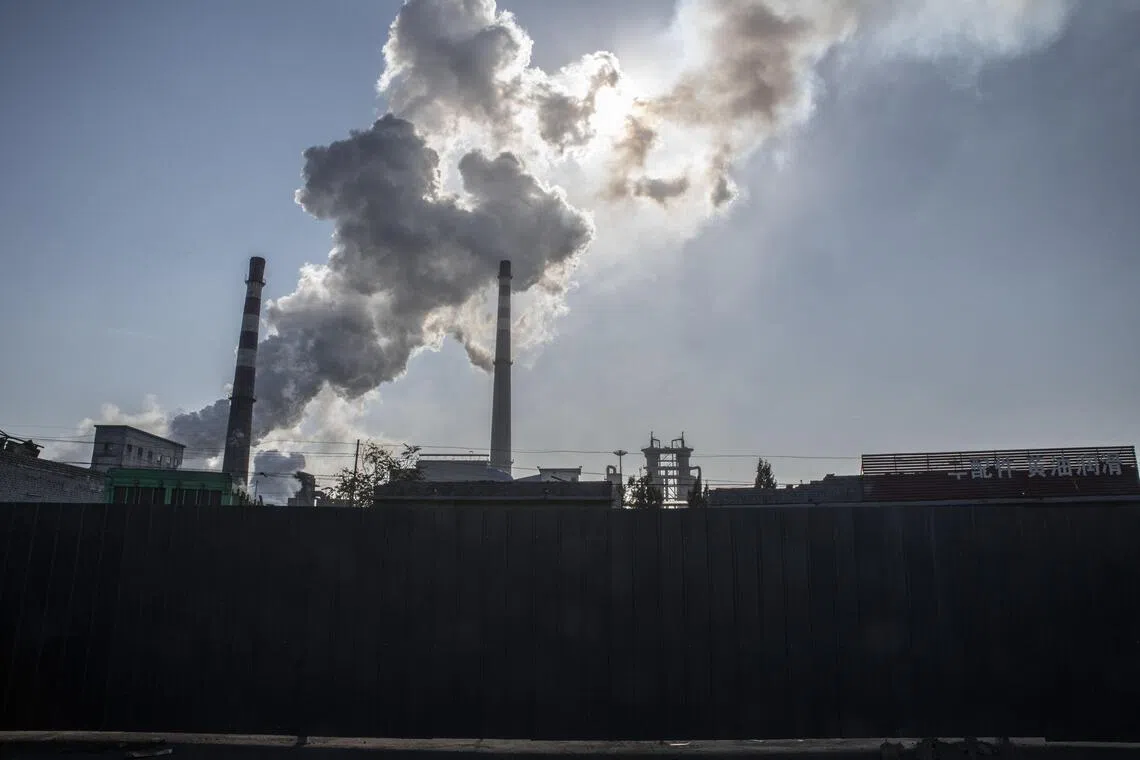
According to recent energy data, thermal power output rose 3.1% in April as utilities increased fossil fuel generation to meet rising electricity demand. The increase came even as domestic coal production declined by 1% during a period typically associated with seasonal mine maintenance.
The figures highlight the increasingly difficult balancing act facing China’s energy planners. While the country continues investing aggressively in renewable energy infrastructure, ongoing disruptions in global fuel supply chains and weaker renewable generation are forcing utilities to rely more heavily on coal-fired power plants to stabilize electricity supply.
China entered the year with coal stockpiles large enough to be viewed as excessive by some market analysts. However, the worsening global energy crisis linked to the Iran war has rapidly changed those calculations. The effective shutdown of the Strait of Hormuz has disrupted around one-fifth of global liquefied natural gas supplies, sending LNG prices sharply higher and creating uncertainty across international energy markets.
As a result, China has sharply reduced LNG imports to avoid elevated fuel costs. This has increased pressure on coal to continue supplying the majority of the country’s thermal power generation.
Coal Prices Climb as Utilities Build Inventories
China’s domestic benchmark thermal coal prices have risen roughly 23 per cent since the start of the year as utilities and industrial users compete for supplies ahead of peak summer electricity demand.
According to the China Coal Transportation and Distribution Association, power plants have been instructed to increase coal inventories to ensure stable electricity generation during the high-demand season. Energy security has become a major policy priority as Beijing seeks to avoid power shortages that could affect industrial output and broader economic growth.
Despite the rally in coal prices, traders say momentum has recently softened as utilities push back against rising procurement costs. Market participants are also increasingly concerned about the possibility of government intervention if coal prices continue climbing too aggressively.
Chinese authorities have historically imposed price controls or informal caps during periods of extreme volatility to stabilize energy costs and protect manufacturers from inflationary pressure. Analysts say similar interventions remain possible if fuel costs continue rising during the summer.
Even so, coal continues to serve as China’s most reliable large-scale energy source during periods of market instability. The country’s massive coal fleet allows utilities to rapidly increase generation whenever renewable energy output weakens or imported fuel becomes too expensive.
Context is everything. While you follow today’s updates, use the Serrari Group Market Index and Marketplace to spot emerging shifts. Need to sharpen your edge? Our Wealth Builder Platform turns these insights into a professional-grade strategy.
Renewable Energy Growth Shows Signs of Weakness
At the same time, renewable energy generation is failing to deliver the same consistent growth that helped reduce fossil fuel power generation pressure last year.
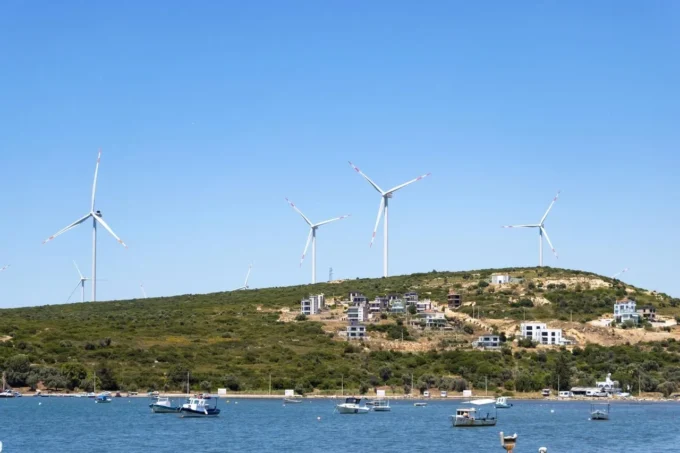
One of the biggest challenges has been weaker-than-expected wind generation. China simply has not experienced sufficiently strong wind conditions in 2026, leading wind power output in April to fall 5 per cent compared to the same month last year despite record additions of new turbines during the period.
The decline is significant because China has invested heavily in expanding wind capacity as part of its broader energy transition strategy. However, the situation highlights one of the major limitations of renewable power systems: weather variability can sharply affect electricity generation even when installed capacity continues to grow.
Nuclear generation also declined in April as several facilities underwent scheduled maintenance shutdowns. Meanwhile, utility-scale solar and hydropower generation continued to expand, partially offsetting weaker wind and nuclear output.
Still, analysts say the broader slowdown in renewable growth is becoming increasingly concerning. Additions of new turbines and solar panels have slowed significantly from the record pace seen in 2025, while renewable curtailment remains a major challenge in several provinces.
Curtailment occurs when renewable electricity cannot be fully absorbed into the grid due to transmission bottlenecks or mismatches between supply and demand. In response, Chinese grid operators are accelerating investment in long-distance transmission lines, battery storage systems, and grid balancing infrastructure.
These projects are designed to distribute renewable electricity more efficiently across regions and extend clean energy availability beyond peak production periods.
Coal Remains Central to China’s Energy Security Strategy
Despite its global leadership in renewable energy investment, China continues to rely heavily on coal whenever renewable output weakens or external fuel markets become unstable.
The current situation mirrors previous periods where hydropower shortages or poor weather conditions forced utilities to increase coal-fired electricity generation to stabilize supply. Analysts say coal remains deeply embedded within China’s energy security framework because it offers dispatchable power that can quickly respond to changes in electricity demand.
Chinese coal imports have declined this year, but exports have also slowed recently as Beijing prioritizes domestic energy security amid lower LNG intake and continued uncertainty surrounding global energy prices.
The scale of China’s coal sector also remains enormous despite the country’s clean energy ambitions. According to data analyzed by Global Energy Monitor, China accounted for 78% of all new coal power capacity commissioned globally last year.
The country also represents roughly 86% of global coal capacity currently under construction and expected to become operational this year.
These figures demonstrate the complexity of China’s energy transition. While Beijing continues expanding renewable energy deployment at record levels, policymakers remain unwilling to rapidly phase out coal due to concerns over grid stability, industrial competitiveness, and energy security.
Outlook: Energy Security Concerns May Delay Coal Reduction Efforts
China’s latest power generation figures suggest that energy security concerns are once again taking priority over efforts to rapidly reduce fossil fuel dependence.
In the near term, Beijing is likely to continue supporting coal stockpiling and thermal power generation as policymakers seek to shield the economy from external energy shocks linked to the Iran conflict and volatility in global commodity markets.
At the same time, authorities are expected to accelerate investment in battery storage, smart grid technologies, transmission infrastructure, and renewable integration systems aimed at reducing long-term dependence on fossil fuels.
Over the longer term, China’s ability to successfully reduce coal consumption will depend heavily on whether renewable energy systems can deliver more stable and reliable power generation during periods of high demand and geopolitical disruption.
For now, however, the combination of weaker wind output, expensive LNG imports, and heightened global energy uncertainty is reinforcing coal’s role as China’s primary energy security buffer despite the country’s aggressive clean energy expansion strategy.
Your financial future isn’t something you wait for—it’s something you build.
The real question is: when do you begin?
Move beyond simply staying informed.
Navigate the markets with clarity—track trends through the Serrari Group Market Index, uncover opportunities in the Serrari Marketplace, and build practical knowledge with our Curated Wealth Builder Platform.
Stay connected to what truly matters.
Get daily insights on macro trends and financial movements across Kenya, Africa, and global markets—delivered through the Serrari Newsletter.
Growth opens doors.
Advance your career through professional programs including ACCA, HESI A2, ATI TEAS 7 , HESI EXIT , NCLEX – RN and NCLEX – PN, Financial Literacy!🌟—designed to move you forward with confidence.
See where money is flowing—clearly and in real time.
Track Money Market Funds, Treasury Bills, Treasury Bonds, Green Bonds, and Fixed Deposits, alongside global and African indexes, key economic indicators, and the evolving Crypto and stablecoin landscape—all within Serrari’s Market Index.
Sources: Energy Connects, THE STRAITS TIMES, Crude Oil Prices Today, The Business Times